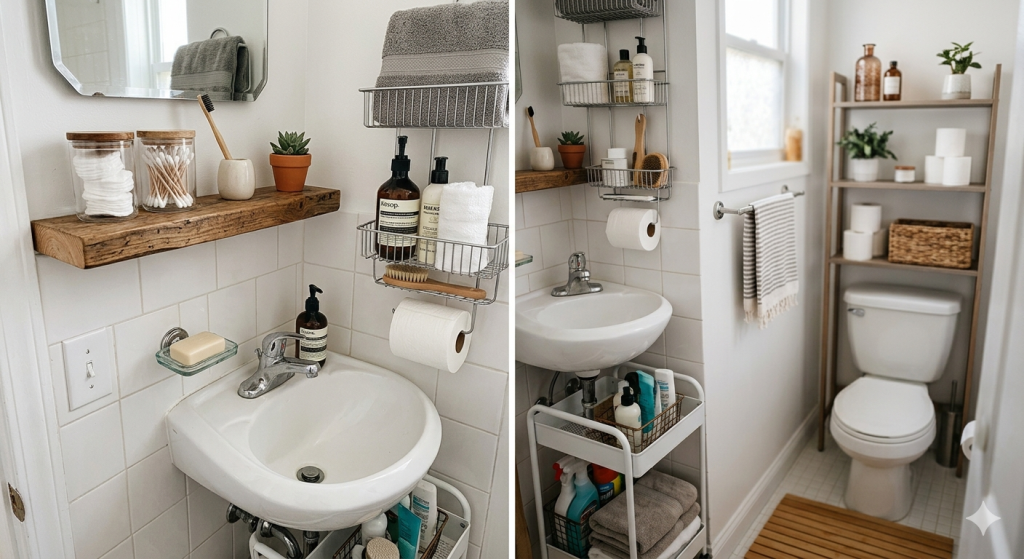
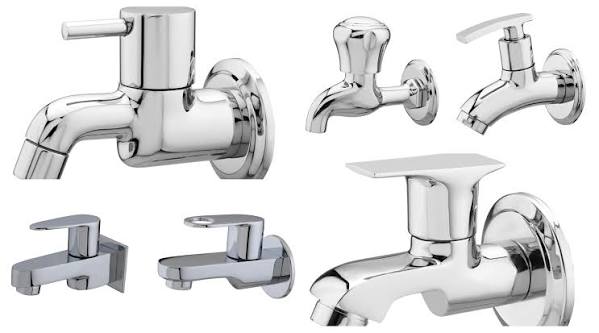
Bathroom hygiene in Kenyan homes depends heavily on the type of sanitary accessories installed, how well they manage moisture, and how easy they are to clean. Modern bathroom hygiene accessories reduce bacterial buildup, control moisture, and make daily cleaning faster and more effective. In 2026, homeowners are increasingly upgrading to non-porous sanitaryware, touchless fittings, and anti-mold bathroom solutions for healthier living environments.
What Are Bathroom Hygiene Accessories and Why Do They Matter?
Bathroom hygiene accessories are functional fittings designed to reduce contamination, improve cleanliness, and make maintenance easier in bathrooms. They matter because they minimize water stagnation, limit bacterial growth, and improve overall sanitation in both residential and commercial spaces.
These accessories include:
- Soap dispensers (manual and automatic)
- Toothbrush holders and organizers
- Shower caddies and storage racks
- Toilet brushes with covered holders
- Exhaust fans and ventilation systems
- Touchless faucets and flush systems
- Anti-slip mats and drainage solutions
In Kenya, where humidity varies from coastal to highland regions, these accessories play a critical role in preventing mold, mildew, and odor buildup.
Why Modern Bathroom Accessories Improve Hygiene in Kenyan Homes
Modern bathroom accessories improve hygiene by reducing direct contact surfaces and controlling moisture accumulation. They are designed with non-porous materials and ergonomic designs that make cleaning easier and reduce bacterial survival.
In Kenya, hygiene challenges vary by region:
- Coastal areas (Mombasa, Malindi): High humidity increases mold growth risk
- Nairobi & Central Kenya: Temperature shifts cause condensation on cold surfaces
- Rift Valley regions: Dust and water hardness affect cleaning frequency
Modern accessories address these issues through:
- Stainless steel and PVC anti-corrosion finishes
- Mold-resistant coatings
- Improved ventilation systems
- Easy-drain designs for water runoff
Best Sanitary Accessories Kenya Homes Should Install
The best sanitary accessories in Kenya are those that combine durability, water resistance, and easy cleaning. Stainless steel fittings, PVC organizers, and ceramic-based sanitaryware provide long-term hygiene benefits and reduce maintenance effort.
Key recommended accessories include:
- Touchless sensor taps for reduced germ spread
- Wall-mounted soap dispensers to prevent countertop contamination
- Glass or PVC shower partitions to control water splash
- High-quality toilet brushes with sealed holders
- Exhaust fans for moisture control
Explore premium options at:
How Moisture Control Improves Bathroom Hygiene
Moisture control is one of the most important factors in maintaining bathroom hygiene because excess humidity promotes mold, bacteria, and unpleasant odors. Proper ventilation and water management systems reduce microbial growth and extend the lifespan of bathroom surfaces.
Effective moisture control solutions include:
- Ceiling or wall-mounted exhaust fans
- Slip-resistant and fast-drying tiles
- Proper slope in bathroom flooring for drainage
- Waterproof grout and sealants
In Kenyan coastal homes, moisture control is especially important due to high humidity levels that accelerate mold growth on walls and ceilings.
Materials Used in Hygiene-Focused Bathroom Accessories
Hygiene-focused bathroom accessories are made from non-porous, corrosion-resistant materials that prevent bacterial buildup and simplify cleaning. Stainless steel, tempered glass, PVC, and ceramic are the most reliable materials for long-term hygiene performance.
Common materials:
- Stainless Steel: Rust-resistant, ideal for humid environments
- Ceramic: Smooth surface reduces bacterial adhesion
- PVC: Lightweight, affordable, moisture-proof
- Tempered Glass: Easy to clean, resistant to stains
These materials are widely used in modern Kenyan bathrooms due to their durability and low maintenance requirements.
Installation Tips for Bathroom Hygiene Accessories
Proper installation ensures bathroom hygiene accessories function effectively and remain easy to clean. Incorrect installation can lead to water pooling, poor ventilation, and increased bacterial growth.
Key installation guidelines:
- Mount accessories at accessible cleaning height
- Ensure proper sealing around wall fixtures
- Install exhaust fans near moisture-heavy zones
- Avoid overcrowding bathroom surfaces
- Maintain proper spacing for airflow
For large developments such as apartments or hotels, professional installation ensures compliance with Kenya Building Code standards and improves long-term durability.
Maintenance of Bathroom Hygiene Accessories
Regular maintenance prevents buildup of soap scum, mold, and bacteria on bathroom accessories. Simple weekly cleaning routines significantly extend accessory lifespan and maintain hygiene standards.
Maintenance practices:
- Clean stainless steel fittings with mild detergents weekly
- Disinfect soap dispensers and toothbrush holders regularly
- Clear exhaust fan dust every 1–2 months
- Replace worn-out toilet brushes and sponges
- Check seals and joints for leaks
In Nairobi homes, where dust accumulation is common, maintenance frequency may need to be higher.
Specifications Table: Common Bathroom Hygiene Accessories
| Parameter | Example |
|---|---|
| Material | Stainless Steel / PVC / Ceramic |
| Finish | Matte / Gloss / Anti-rust coating |
| Installation Type | Wall-mounted / Floor-standing |
| Resistance | Moisture, mold, corrosion resistant |
| Maintenance Level | Low to medium |
| Recommended Use | Residential & Commercial Bathrooms |
| Lifespan | 5–15 years depending on material |
Modern Bathroom Hygiene Trends in Kenya (2026)
Kenyan bathrooms are increasingly adopting smart hygiene systems and minimalist designs to improve cleanliness and efficiency. Touchless technology and modular storage systems are now standard in modern residential and commercial developments.
Key trends include:
- Sensor-based taps and flush systems
- Floating vanities for easier floor cleaning
- Anti-bacterial coated tiles
- Hidden drainage systems
- Minimalist storage racks to reduce clutter
These trends are especially popular in urban developments in Nairobi and Kiambu due to space optimization needs.
Kenya Climate Impact on Bathroom Hygiene Accessories
Kenya’s diverse climate directly affects how bathroom hygiene accessories perform and how often they require maintenance. Choosing climate-appropriate materials ensures longer lifespan and better hygiene performance.
- Coastal Kenya: Requires corrosion-resistant stainless steel and anti-mold surfaces
- Highlands (Nairobi, Nyeri): Needs condensation-resistant fittings and good ventilation
- Dry regions: Dust-resistant storage and easy-clean surfaces are essential
Understanding climate impact helps homeowners select accessories that last longer and stay cleaner.
Regulatory Standards for Bathroom Hygiene in Kenya
Bathroom hygiene accessories must comply with KEBS standards and Kenya Building Code 2024 requirements for safety, durability, and water efficiency. Compliance ensures safe installation, efficient water usage, and long-term structural integrity.
Key compliance benefits:
- Ensures safe water flow and drainage systems
- Promotes water-efficient sanitary fittings
- Reduces risk of contamination and leaks
- Improves long-term durability of installations
Water-saving fittings like dual-flush toilets and aerated taps are increasingly encouraged in Kenyan construction projects.
Where to Buy Sanitary Accessories in Kenya
KK Empire Tradess Limited provides a wide range of bathroom hygiene accessories, sanitaryware, and renovation materials suitable for Kenyan homes and commercial projects. They offer practical, durable solutions designed for local climate conditions and modern interior standards.
Explore more:
FAQs: Bathroom Hygiene Accessories in Kenya
1. What are the best bathroom hygiene accessories for Kenyan homes?
The best accessories include stainless steel fittings, touchless taps, exhaust fans, and anti-mold storage solutions. These reduce bacteria buildup and improve overall cleanliness.
2. How do I maintain bathroom hygiene accessories?
Clean them weekly using mild detergents and ensure proper drying after use. Regular maintenance prevents mold and prolongs lifespan.
3. Are touchless bathroom fittings worth it?
Yes, they reduce direct contact and significantly lower germ transmission in high-use bathrooms. They are ideal for homes, hotels, and offices.
4. Which materials are best for humid areas in Kenya?
Stainless steel and PVC are best for humid coastal regions due to corrosion resistance and low water absorption.
5. Do bathroom accessories affect hygiene levels?
Yes, poor-quality accessories trap moisture and bacteria, while modern designs improve airflow and cleanliness.
6. How often should exhaust fans be cleaned?
Every 1–2 months depending on dust levels to maintain airflow efficiency and hygiene.
7. What is the difference between ceramic and stainless steel accessories?
Ceramic is smooth and stain-resistant, while stainless steel is more durable and corrosion-resistant in humid environments.
Improving bathroom hygiene in Kenya depends on selecting the right modern accessories, ensuring proper installation, and maintaining regular cleaning routines. With climate-appropriate materials and KEBS-compliant sanitary solutions, homeowners can achieve cleaner, safer, and longer-lasting bathroom environments.
Contact KK Empire Tradess Limited
info@kketrades.com
Call/WhatsApp: +254 718 990 010
Website: https://kkempiretradesslimited.com/
Delivery Availability:
Fast delivery within Nairobi and across Kenya including Kiambu, Nakuru, Kisumu, Eldoret, Mombasa, Thika, Kitengela, Machakos, and surrounding regions.