Epoxy grout vs cement grout — which is better?
Use epoxy for wet areas, cement grout for standard dry interiors. Epoxy grout is waterproof, stain-resistant and long-lasting — ideal for kitchens, bathrooms and showers — but costs more and sets fast. Cement grout is cheaper and easier to apply but absorbs water and stains over time.
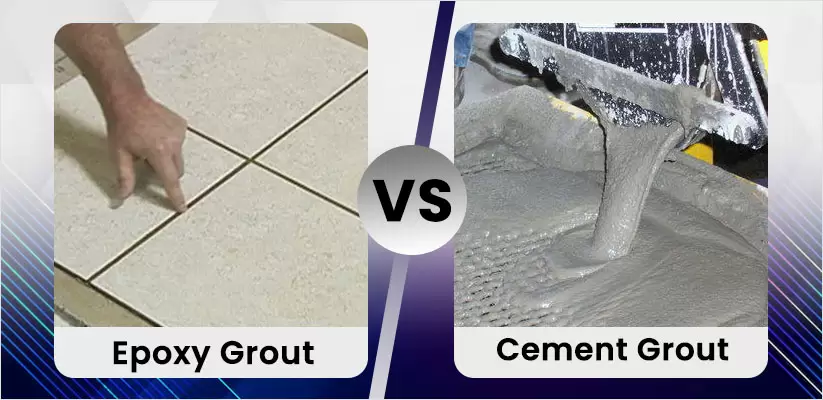
Epoxy grout vs cement grout is an important comparison when choosing the right finishing material for tiled floors, bathrooms, kitchens, and commercial spaces.
Epoxy grout offers superior stain resistance, water resistance, and durability, while cement grout remains popular because it is affordable and easier to install.
The right choice depends on your budget, maintenance expectations, tile location, and long-term performance needs.
Grout is more than just a filler between tiles. It helps:
- Hold tiles in position
- Improve the appearance of tiled surfaces
- Prevent dirt accumulation
- Protect tile edges
- Complete the waterproofing system in some applications
For quality tile finishing solutions and professional advice, explore tile solutions in Kenya from KK Empire Trades Limited.
Why Compare Epoxy Grout vs Cement Grout?
Comparing epoxy grout vs cement grout helps homeowners and contractors choose a product that matches the demands of their project.
The wrong grout choice can lead to staining, cracking, difficult cleaning, or expensive repairs.
The main factors to compare include:
- Durability
- Water resistance
- Cleaning requirements
- Cost
- Installation difficulty
- Appearance
- Suitable applications
What Is Cement Grout?
Cement grout is a traditional tile grout made from cement, sand, and additives designed to fill joints between tiles.
It is widely used because it is affordable, available, and easier for installers to apply.
Cement grout is commonly used for:
- Residential floors
- Ceramic tile installations
- Wall tiles
- Low-moisture areas
Advantages:
- Lower cost
- Easy application
- Widely available
- Simple repairs
Limitations:
- Can absorb stains
- Requires sealing in many applications
- Can darken over time
- Less resistant to chemicals
What Is Epoxy Grout?
Epoxy grout is a high-performance grout made from epoxy resins and hardeners, providing stronger resistance to moisture, stains, and chemicals.
It is commonly selected for premium bathrooms, kitchens, hotels, and commercial environments.
Epoxy grout is suitable for:
- Porcelain tiles
- Luxury bathrooms
- Wet areas
- Commercial kitchens
- High-traffic spaces
Benefits:
- Excellent stain resistance
- Low water absorption
- Strong durability
- Easier long-term cleaning
- Colour stability
Epoxy Grout vs Cement Grout: Main Differences
The main difference between epoxy grout vs cement grout is performance. Epoxy grout provides better durability and resistance, while cement grout provides affordability and easier installation.
| Feature | Epoxy Grout | Cement Grout |
|---|---|---|
| Durability | Excellent | Good |
| Water resistance | Very high | Moderate |
| Stain resistance | Excellent | Lower |
| Cleaning | Easier | Requires more maintenance |
| Installation | More technical | Easier |
| Cost | Higher | Lower |
| Lifespan | Longer | Shorter |
Cost Comparison: Epoxy Grout vs Cement Grout
Cement grout is more affordable upfront, while epoxy grout costs more because of its advanced performance and longer lifespan.
Cement Grout Cost Factors
Lower cost because:
- Basic ingredients
- Easier installation
- Widely available
Suitable for:
- Budget projects
- Low-traffic areas
- Standard residential applications
Epoxy Grout Cost Factors
Higher cost because:
- Premium materials
- More complex installation
- Longer service life
Suitable for:
- Luxury homes
- Hotels
- Commercial projects
- Wet areas
Although epoxy grout costs more initially, it can reduce future maintenance expenses.
Cleaning and Maintenance Comparison
Epoxy grout is easier to clean because it resists stains and absorbs less moisture compared with traditional cement grout.
Cement Grout Cleaning
Challenges:
- Dirt absorption
- Possible discolouration
- Requires regular scrubbing
- May need resealing
Epoxy Grout Cleaning
Benefits:
- Resistant to stains
- Does not easily absorb liquids
- Easier daily maintenance
- Maintains colour longer
For busy areas such as kitchens and bathrooms, epoxy grout can provide a cleaner appearance over time.
Durability Comparison
Epoxy grout generally lasts longer than cement grout because it has stronger resistance to water, chemicals, and heavy use.
Epoxy grout performs well in:
- Bathrooms
- Swimming pool areas
- Commercial kitchens
- High-traffic floors
Cement grout performs well in:
- Bedrooms
- Living rooms
- Low-moisture areas
The durability of both products also depends on:
- Installation quality
- Tile preparation
- Cleaning practices
- Environmental conditions
Epoxy Grout vs Cement Grout for Bathrooms
Bathrooms are one of the most important areas when comparing epoxy grout vs cement grout because they experience regular moisture exposure.
Epoxy grout advantages in bathrooms:
- Reduced water absorption
- Better stain resistance
- Easier cleaning
- Long-lasting appearance
Cement grout can still work well when:
- Correctly installed
- Properly sealed
- Regularly maintained
For complete bathroom finishing options, explore bathroom tiles in Kenya for suitable tile and grout combinations.
Epoxy Grout vs Cement Grout for Kitchens
Kitchen areas benefit from epoxy grout because it handles spills, grease, and frequent cleaning better than cement grout.
Recommended for:
- Kitchen floors
- Splashbacks
- Food preparation areas
Advantages:
- Less staining
- Easier cleaning
- Better hygiene performance
Epoxy Grout vs Cement Grout for Porcelain Tiles
Porcelain tiles often pair well with epoxy grout because both materials provide premium durability and low maintenance.
Benefits include:
- Modern appearance
- Strong performance
- Better moisture resistance
For high-quality flooring projects, consider porcelain tiles in Kenya matched with the correct grout solution.
Installation Differences Between Epoxy and Cement Grout
The installation process is different because epoxy grout requires more skill and careful handling compared with cement grout.
Cement Grout Installation
Advantages:
- Easier mixing
- Faster application
- Beginner-friendly
Epoxy Grout Installation
Requires:
- Accurate mixing
- Faster cleaning during installation
- Experienced installers
Incorrect epoxy installation can result in:
- Haze on tiles
- Uneven joints
- Difficult removal
Choosing the Right Grout Colour
Grout colour affects the final appearance of tiled surfaces and should match both the tile design and maintenance expectations.
Popular options:
Matching Colours
Benefits:
- Creates a seamless appearance
- Makes spaces look larger
Contrasting Colours
Benefits:
- Highlights tile patterns
- Creates a decorative effect
Consider:
- Room usage
- Cleaning requirements
- Tile colour
Common Grout Mistakes to Avoid
Poor grout selection and installation can reduce the appearance and lifespan of a tiled surface.
Avoid:
- Choosing grout based only on price
- Ignoring moisture exposure
- Skipping proper cleaning
- Using unsuitable products
- Incorrect mixing
Professional installation improves long-term performance.
Epoxy Grout vs Cement Grout Comparison by Application
| Application | Recommended Grout |
|---|---|
| Living room floors | Cement/Epoxy |
| Bathroom floors | Epoxy preferred |
| Kitchen areas | Epoxy preferred |
| Commercial spaces | Epoxy |
| Bedroom floors | Cement |
| Swimming pools | Epoxy |
FAQ: Epoxy Grout vs Cement Grout
Which is better, epoxy grout or cement grout?
Epoxy grout offers better durability and stain resistance, while cement grout is more affordable.
Is epoxy grout worth the extra cost?
Yes, especially for bathrooms, kitchens, and high-use areas.
Does epoxy grout need sealing?
No. Epoxy grout is generally non-porous and does not require sealing.
Can cement grout be used in bathrooms?
Yes, but proper sealing and maintenance are important.
Which grout is easier to clean?
Epoxy grout is easier to maintain because it resists stains and moisture.
Final Advice: Choose Grout Based on Your Project Needs
The choice between epoxy grout vs cement grout depends on balancing cost, maintenance, and durability requirements.
Cement grout remains a practical option for affordable residential projects, while epoxy grout delivers premium performance for wet areas, commercial spaces, and high-end finishes.
Before choosing your grout, consider the tile type, room conditions, cleaning expectations, and long-term maintenance.
For complete tile installation solutions, explore tile adhesives in Kenya and speak with KK Empire Trades Limited.
Contact KK Empire Trades Limited
Email: info@kketrades.com
Call/WhatsApp: +254 718 990 010
Website: https://kkempiretradesslimited.com/
Delivery available within Nairobi and across Kenya including Kiambu, Nakuru, Kisumu, Eldoret, Mombasa, Thika, Kitengela, Machakos, and surrounding regions.
Shop at KK Empire Tradess: shop adhesives & sealants — countrywide delivery in Kenya. Order on WhatsApp.

SEO Twin
SEO Twin writes for the KK Empire Tradess Knowledge Base — practical guides for Kenyan homes and contractors.