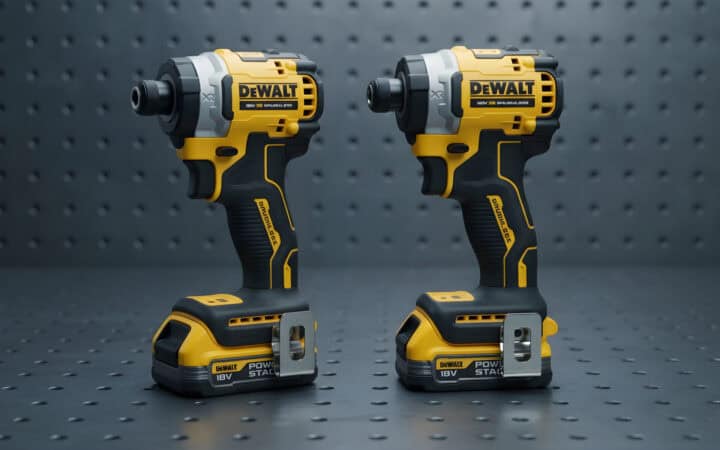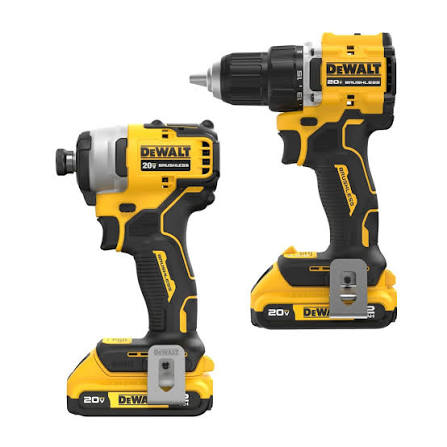
Impact driver vs drill driver is a common comparison for Kenyan contractors, installers, and homeowners choosing the right cordless tool for drilling and fastening tasks.
A drill driver is designed for versatile drilling and screw-driving applications, while an impact driver delivers higher torque for heavy fastening jobs.
The best choice depends on the materials you work with, the type of fasteners used, and how often the tool will be operated.
Modern cordless tools have changed how Kenyan construction teams handle:
- Cabinet installation
- Electrical fittings
- Plumbing work
- Steel fixing
- Furniture assembly
- Renovation projects
- General maintenance
Although both tools look similar, they perform different roles. Choosing the wrong one can lead to:
- Slower work
- Damaged screws
- Reduced tool lifespan
- Unnecessary replacement costs
For professional power tools and construction supplies in Kenya, explore KK Empire Trades Limited:
What Is a Drill Driver?
A drill driver is a versatile cordless or corded tool designed for drilling holes and driving screws into different materials.
It combines adjustable speed control with a chuck system that accepts various drill bits and screwdriver bits.
Drill drivers are suitable for general construction, installation, and maintenance tasks.
Common uses:
- Drilling wood
- Drilling metal
- Installing screws
- Fixing brackets
- Furniture assembly
- Light masonry work
A drill driver is often the first cordless tool purchased because it can perform multiple tasks.
What Is an Impact Driver?
An impact driver is a high-torque fastening tool designed to drive screws, bolts, and fixings with greater power than a standard drill driver.
It uses rotational impact force to deliver extra torque when working with long screws and heavy fasteners.
Impact drivers are especially useful for construction and installation professionals.
Common uses:
- Driving long wood screws
- Installing decking
- Fixing steel structures
- Tightening bolts
- Heavy-duty fastening
Impact drivers are popular among:
- Carpenters
- Roofing installers
- Contractors
- Steel fabricators
- Maintenance teams
Impact Driver vs Drill Driver: Main Difference
The main difference between an impact driver and drill driver is torque delivery and tool versatility.
Drill drivers provide more control for drilling and general tasks, while impact drivers provide stronger rotational force for difficult fastening jobs.
Many professional users keep both tools because they solve different problems.
| Feature | Drill Driver | Impact Driver |
|---|---|---|
| Main purpose | Drilling and fastening | Heavy fastening |
| Torque | Medium | High |
| Chuck type | Keyless chuck | Hex quick-release chuck |
| Bit options | Wide range | Impact-rated bits |
| Control | Excellent | Strong driving force |
| Best users | General users | Professionals |
Drill Driver vs Impact Driver: Torque Explained
Torque is the twisting force a tool produces to rotate screws, bolts, or drill bits.
Impact drivers generate higher torque, making them better for large fasteners and demanding applications.
Drill drivers provide controlled torque settings for precision work.
Higher torque is useful for:
- Long screws
- Thick timber
- Metal fasteners
- Construction fixings
Lower controlled torque is useful for:
- Cabinet screws
- Small fittings
- Delicate materials
Drill Driver Chuck vs Impact Driver Chuck
The chuck system is one of the biggest physical differences between these two tools.
Drill drivers use adjustable chucks that accept many drill bit sizes, while impact drivers commonly use quick-release hex sockets.
The chuck type determines which accessories each tool can use.
| Tool | Chuck Type | Suitable Accessories |
|---|---|---|
| Drill driver | Keyless chuck | Drill bits, screwdriver bits, countersinks |
| Impact driver | Hex chuck | Impact bits, driver sockets |
Which Tool Is Better for Construction Work in Kenya?
The better tool depends on the construction activity being performed.
Drill drivers are better for general installation work, while impact drivers are better for repeated fastening tasks.
Professional crews often use both tools together for maximum productivity.
Construction Applications
| Task | Recommended Tool |
|---|---|
| Installing shelves | Drill driver |
| Cabinet installation | Drill driver |
| Driving long screws | Impact driver |
| Roofing screws | Impact driver |
| Electrical fittings | Drill driver |
| Heavy timber fixing | Impact driver |
Impact Driver vs Drill Driver for Woodwork
Impact drivers are excellent for heavy wood fastening, while drill drivers provide better control for drilling and finishing work.
Carpenters often use both tools depending on the stage of the project.
The correct tool improves accuracy and reduces material damage.
Wood Applications
Drill driver:
- Pilot holes
- Cabinet work
- Furniture assembly
- Small screws
Impact driver:
- Timber framing
- Decking
- Large screws
- Structural fixing
Impact Driver vs Drill Driver for Metal Work
Both tools can work with metal when fitted with suitable accessories, but drill drivers provide better control for drilling operations.
Impact drivers are mainly useful for fastening metal components rather than creating precision holes.
The correct drill bits and settings are essential for safe results.
Recommended:
For drilling metal:
- Drill driver
- High-speed steel bits
- Controlled speed settings
For fastening metal:
- Impact driver
- Impact-rated sockets
- Correct fasteners
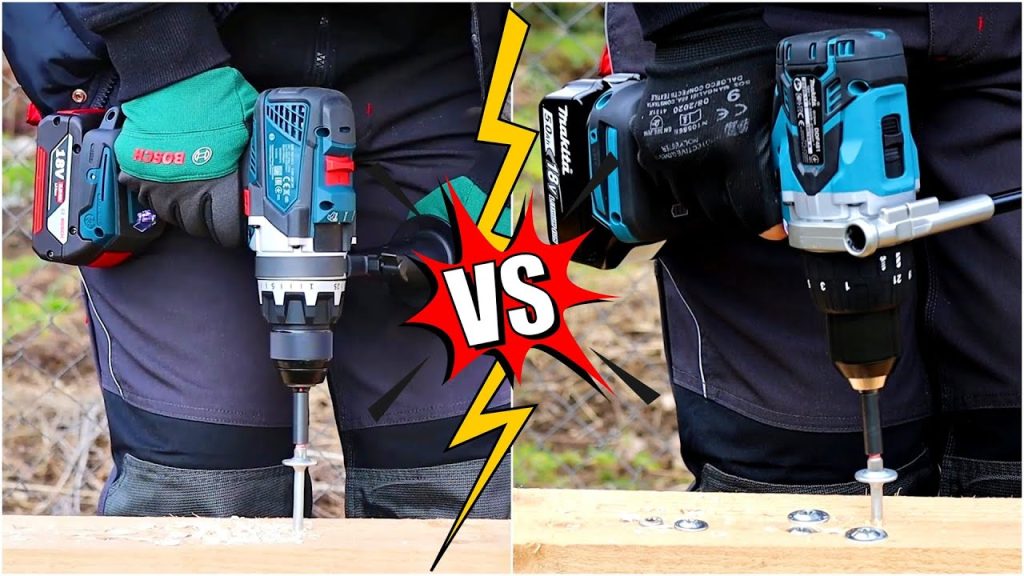
Bosch and Makita Impact Driver vs Drill Driver Options
Bosch and Makita offer professional drill drivers and impact drivers designed for construction and workshop applications.
The right choice depends on battery platform, torque rating, durability, and availability of accessories.
Contractors should consider their complete tool ecosystem before buying.
Important factors:
- Battery compatibility
- Torque output
- Motor technology
- Tool weight
- Spare parts availability
Cordless Battery Considerations in Kenya
Battery selection affects the performance, runtime, and overall cost of cordless drill drivers and impact drivers.
Professional users should choose battery platforms that support multiple tools to reduce long-term expenses.
Lithium-ion batteries are commonly preferred because of their performance and rechargeability.
Consider:
- Battery voltage
- Amp-hour capacity
- Number of batteries needed
- Charging speed
Common professional platforms include:
- Bosch cordless systems
- Makita cordless systems
Impact Driver vs Drill Driver Specifications Table
| Parameter | Drill Driver | Impact Driver |
|---|---|---|
| Primary Function | Drilling and driving | Heavy fastening |
| Torque Output | Moderate | High |
| Chuck System | Keyless chuck | Hex chuck |
| Precision Control | Excellent | Moderate |
| Best Materials | Wood, metal, light masonry | Timber, bolts, heavy fixings |
| Professional Use | General installation | Construction fastening |
Choosing Between an Impact Driver and Drill Driver
Choosing between an impact driver and drill driver depends on your daily tasks, materials, and working environment.
Homeowners may find a drill driver more versatile, while contractors often benefit from owning both tools.
The correct choice improves efficiency and reduces tool replacement costs.
Choose a drill driver if you:
- Need one multi-purpose tool
- Drill different materials
- Install small fittings
- Perform general repairs
Choose an impact driver if you:
- Drive many screws daily
- Work with large fasteners
- Build structures
- Need higher torque
Kenyan Climate and Job Site Considerations
Kenyan construction environments expose cordless tools to dust, heat, and frequent transportation between sites.
Proper storage and maintenance improve tool reliability in different regions.
Professional users should select tools suitable for their working conditions.
Nairobi and Central Kenya
Recommended:
- Dust protection
- Durable storage cases
- Quality batteries
Coastal Kenya
Recommended:
- Dry storage
- Protection from humidity
- Regular cleaning
Remote Sites
Recommended:
- Extra batteries
- Portable chargers
- Reliable tool cases
Common Mistakes When Buying Drill Drivers and Impact Drivers
Many buyers purchase tools without understanding the difference between drilling and fastening requirements.
Using the wrong tool can reduce productivity and increase wear on accessories.
Tool selection should always match the intended application.
Avoid:
- Using impact drivers for precision drilling
- Using weak drill drivers for heavy fastening
- Buying incompatible batteries
- Using poor-quality bits
- Ignoring torque requirements
FAQ: Impact Driver vs Drill Driver Kenya
1. Which is better, an impact driver or drill driver?
Neither is better overall. A drill driver is more versatile, while an impact driver provides more torque for heavy fastening.
2. Can an impact driver replace a drill driver?
No. Impact drivers are excellent for fastening but are less suitable for general drilling.
3. Can a drill driver remove bolts?
Some powerful drill drivers can handle small bolts, but impact drivers are better for stubborn fasteners.
4. Which tool should a contractor buy first?
A drill driver is usually the best first purchase because it handles more general tasks.
5. Are Bosch and Makita impact drivers good for construction?
Yes. Both brands offer professional cordless systems suitable for many construction applications.
6. Do I need both a drill driver and impact driver?
For professional work, having both tools improves productivity because each performs different tasks.
Final Buying Advice: Impact Driver vs Drill Driver
The choice between an impact driver vs drill driver depends on whether you need versatility or maximum fastening power.
A drill driver is the better all-round tool for drilling and general repairs, while an impact driver is the better choice for heavy-duty fastening.
For Kenyan contractors and serious installers, owning both tools creates the most efficient cordless setup.
Contact KK Empire Trades Limited
info@kketrades.com
Call/WhatsApp: +254 718 990 010
Website: https://kkempiretradesslimited.com/
Delivery Availability:
Fast delivery within Nairobi and across Kenya including Kiambu, Nakuru, Kisumu, Eldoret, Mombasa, Thika, Kitengela, Machakos, and surrounding regions.

SEO Twin
SEO Twin writes for the KK Empire Tradess Knowledge Base — practical guides for Kenyan homes and contractors.