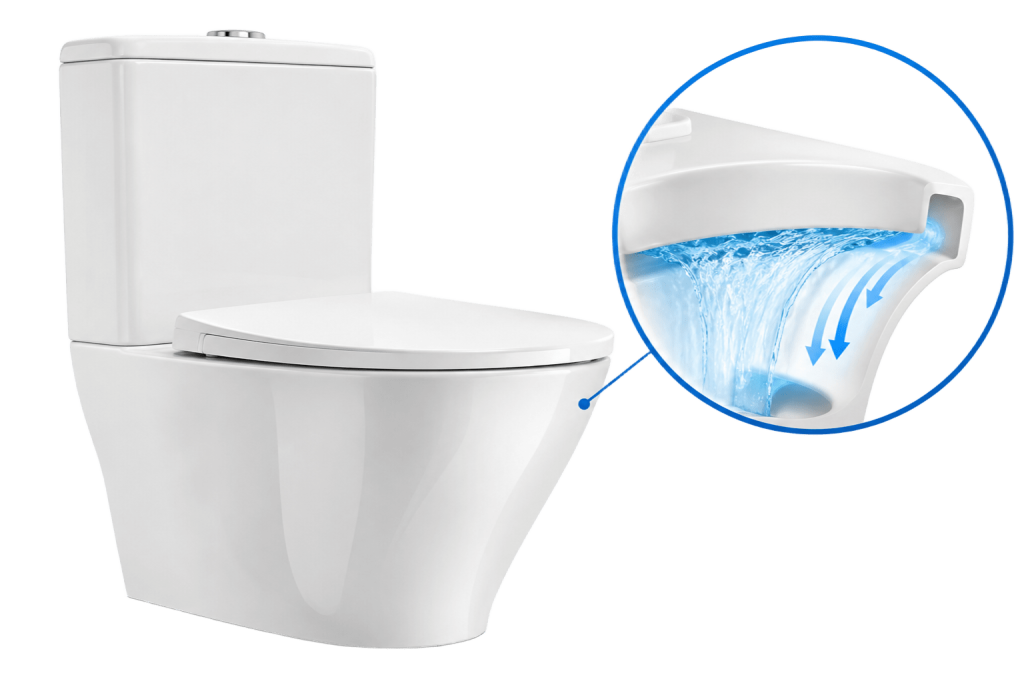
S-trap vs P-trap toilet — what is the difference?
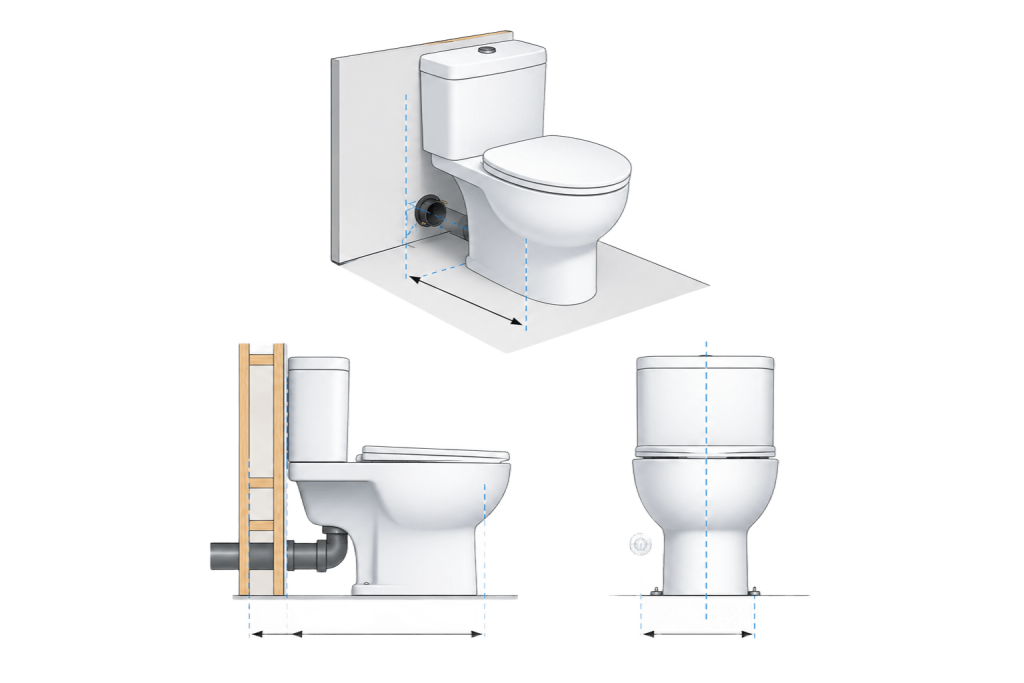
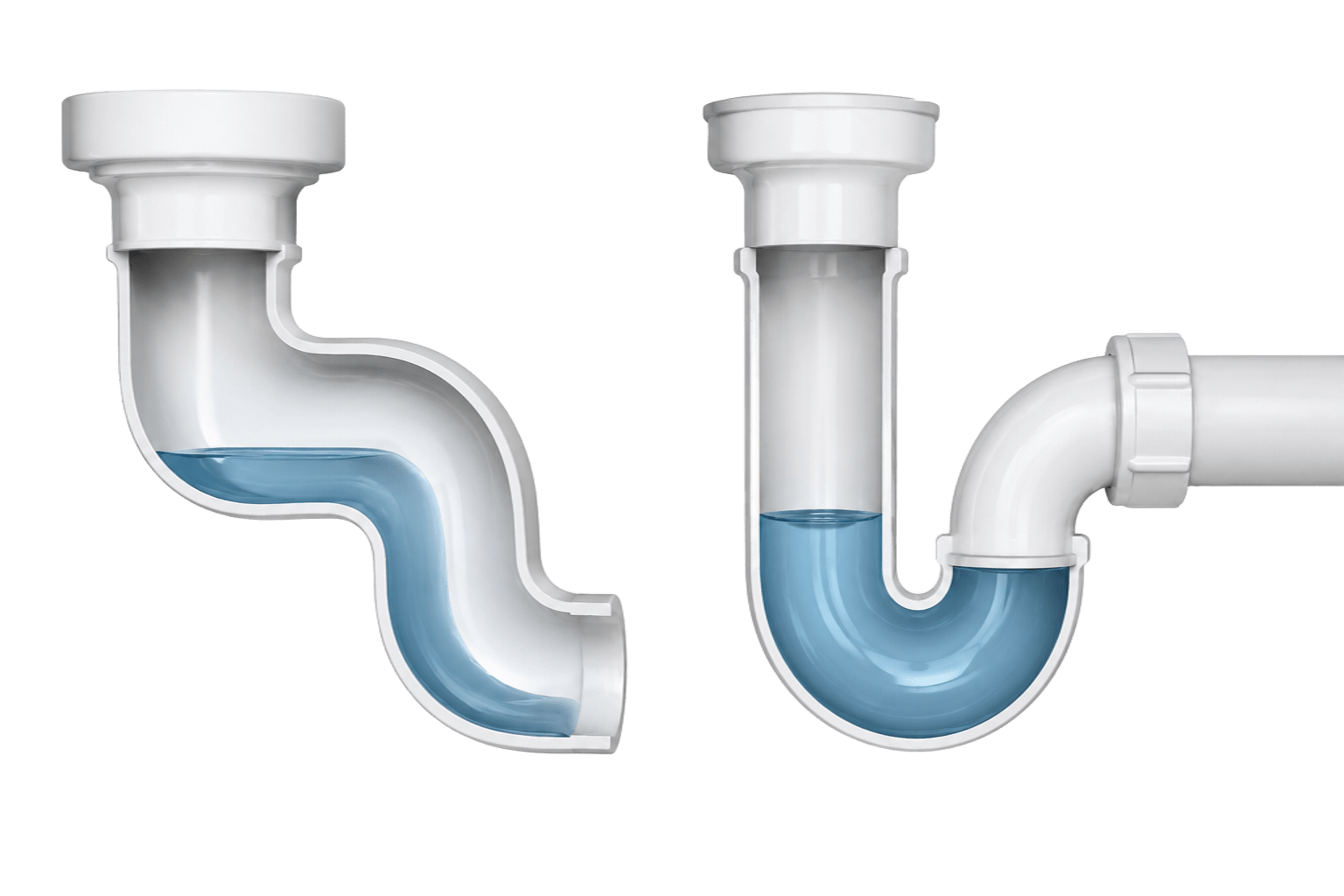
It is the direction of the waste outlet. An S-trap exits through the floor; a P-trap exits through the wall behind the toilet. Measure your existing waste position before buying: floor outlet = S-trap, wall outlet = P-trap. Most Kenyan homes use S-trap; wall-hung and modern suites often use P-trap.
Choosing the correct toilet is not only about design, colour, or flushing technology. The connection between the toilet and the drainage system is equally important, which is why understanding S-trap vs P-trap options helps homeowners avoid costly replacement problems during bathroom renovations.
The wrong toilet outlet connection can lead to installation challenges, additional plumbing work, or a toilet that does not fit the existing waste pipe position. Comparing S-trap vs P-trap before purchasing a WC allows homeowners, contractors, and developers to select a toilet that matches the existing bathroom layout.
In Kenya, most residential bathrooms use either floor outlet or wall outlet plumbing systems. Many older homes commonly have floor connections, while some modern apartments and commercial developments use wall outlet configurations. Before buying sanitaryware, checking the existing plumbing arrangement is essential.
At KK Empire Trades Limited, we supply quality sanitaryware, toilets, bathroom fittings, tiles, and renovation products for homes and commercial projects across Kenya. Explore available bathroom solutions through the KK Empire Trades Limited Shop or learn more about our company through the About Us page.
S-Trap vs P-Trap: Understanding the Difference Between Toilet Outlets
S-Trap vs P-Trap describes the two main toilet waste outlet configurations used to connect a WC to the drainage system. An S-trap connects through the floor, while a P-trap connects through the wall behind the toilet.
Understanding S-trap vs P-trap starts with knowing where the toilet waste pipe exits.
What Is an S-Trap Toilet?
An S-trap toilet has a waste outlet that connects vertically into the floor. The curved trap section extends downward before joining the drainage pipe.
S-trap toilets are commonly found in:
- Older Kenyan homes
- Standalone houses
- Traditional bathroom layouts
- Renovation projects replacing existing floor outlet toilets
The main advantage of an S-trap is that it works well when the drainage pipe is already positioned in the floor.
What Is a P-Trap Toilet?
A P-trap toilet connects horizontally into a wall outlet behind the toilet pan. The waste pipe exits through the wall instead of going directly into the floor.
P-trap toilets are often used in:
- Modern apartment developments
- Contemporary bathroom designs
- Commercial buildings
- Projects where wall plumbing is preferred
A P-trap can provide a cleaner appearance because the plumbing connection is hidden behind the toilet.
S-Trap vs P-Trap: Toilet Outlet Comparison Table
The main difference between S-trap vs P-trap toilets is the direction of the waste outlet. S-trap models connect through the floor, while P-trap models connect through the wall, making each suitable for different plumbing layouts.
| Feature | S-Trap Toilet | P-Trap Toilet |
|---|---|---|
| Waste Outlet Direction | Vertical floor outlet | Horizontal wall outlet |
| Common Application | Existing floor drainage | Modern wall plumbing |
| Installation Position | Floor connection | Wall connection |
| Renovation Flexibility | Limited without pipe changes | Better for some modern layouts |
| Common Locations | Homes and older buildings | Apartments and commercial projects |
| Plumbing Adjustment | Easier when floor outlet exists | Easier when wall outlet exists |
When planning a bathroom upgrade, identifying the existing drainage position before selecting a WC saves time and avoids unnecessary plumbing changes.
For complete bathroom renovation supplies, explore the KK Empire Trades Limited bathroom products.
S-Trap vs P-Trap Toilets: Which Option Does Your Bathroom Need?
Choosing between S-trap vs P-trap depends on your existing waste pipe location, bathroom design, and whether you are replacing an existing toilet or constructing a new bathroom. The correct option is the one that matches your plumbing system without major modifications.
Before purchasing a toilet, check:
- Where the waste pipe exits
- Distance from the wall to the outlet
- Existing toilet trap type
- Bathroom floor layout
- Available plumbing access
S-Trap Toilet Applications in Kenya
An S-trap toilet is usually suitable when:
- The drainage pipe enters through the floor
- The bathroom already has an existing floor outlet
- You want a direct replacement without major changes
Many Kenyan homeowners renovating older properties find S-trap toilets practical because they match common existing plumbing arrangements.
P-Trap Toilet Applications in Kenya
A P-trap toilet is suitable when:
- The waste pipe exits through the wall
- The bathroom design uses concealed plumbing
- A modern apartment layout is being installed
P-trap systems are often preferred by architects and designers looking for cleaner bathroom aesthetics.
S-Trap vs P-Trap: How to Measure Your Toilet Waste Outlet
Correct measurements are essential when choosing between S-trap vs P-trap toilets. Measuring the outlet position before buying prevents incorrect purchases and expensive installation adjustments.
For an S-trap toilet, measure:
- Distance from the finished wall to the centre of the floor outlet
- Floor outlet diameter
- Available toilet space
For a P-trap toilet, measure:
- Height of the wall outlet
- Horizontal distance from the wall
- Pipe diameter
- Toilet pan alignment
A professional plumber should confirm measurements before installation, especially during renovations where existing plumbing cannot easily be moved.
S-Trap vs P-Trap Installation Requirements in Kenyan Homes
S-trap vs P-trap installation depends on the existing drainage system and correct alignment between the toilet outlet and waste pipe. Poor alignment can cause leaks, unstable installation, and drainage problems.
S-Trap Installation Requirements
An S-trap installation requires:
- Correct floor outlet position
- Proper sealing connection
- Stable toilet base support
- Correct waste pipe alignment
P-Trap Installation Requirements
A P-trap installation requires:
- Correct wall outlet height
- Secure wall connection
- Accurate toilet positioning
- Proper sealing around the outlet
In humid regions such as Mombasa and Malindi, correct installation is especially important because moisture exposure can increase the risk of bathroom-related issues if connections are poorly sealed.
Shop at KK Empire Tradess: shop toilets · Frencia sanitaryware — countrywide delivery in Kenya. Order on WhatsApp.