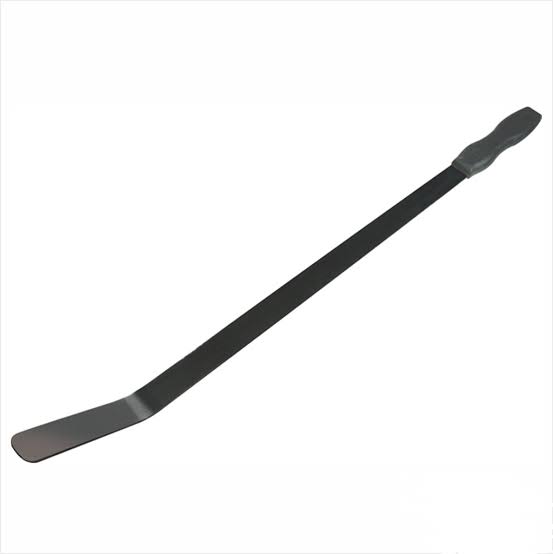
A slasher tool is one of the most useful farm and garden hand tools in Kenya. It helps farmers, gardeners, landscapers and homeowners cut long grass, remove weeds and maintain overgrown outdoor spaces. However, choosing the right cutting tool depends on the type of vegetation, the size of the working area and the nature of the task.
A slasher tool is designed primarily for cutting long grass and weeds across open areas. A panga is better suited to clearing bushes and cutting smaller branches, while a shovel moves soil and sand. A pick axe breaks hard, compacted and rocky ground.
Understanding these differences helps you select the right equipment, avoid unnecessary physical effort and improve productivity when maintaining farms, gardens and residential compounds.
This guide explores the uses of a slasher tool, how it compares with other essential farm hand tools, what to check before buying and how to maintain your equipment.
What Is a Slasher Tool?
A slasher tool is a manually operated cutting implement designed to remove long grass, weeds and unwanted vegetation. It normally features a broad metal blade attached to a handle, allowing the user to cut vegetation using controlled sweeping movements.
In Kenya, a slasher tool is commonly used for farm maintenance, clearing residential compounds, maintaining pathways and managing overgrown land.
Unlike a panga, which is generally used for cutting bushes and branches, a slasher tool is more suitable for managing grass and weeds across open spaces.
The tool is useful for:
- Cutting long grass around homes and farms.
- Clearing weeds along pathways and boundaries.
- Maintaining open fields and plantation areas.
- Removing unwanted vegetation around fences.
- Preparing overgrown land for further maintenance.
7 Powerful Uses of a Slasher Tool in Kenya
A slasher tool can perform several important vegetation-management tasks. Its usefulness depends on the blade design, handle construction and condition of the cutting edge.
1. Cutting Long Grass Around Farms
One of the main uses of a slasher tool is cutting long grass. Farmers can use it to maintain areas around crops, livestock shelters, storage buildings and farm boundaries.
When grass grows too tall, it can make movement difficult and interfere with routine farm activities. A suitable slasher tool helps reduce excessive growth and keep open spaces manageable.
2. Removing Weeds Along Boundaries
Weeds often grow along fences, pathways, drainage channels and unused sections of land.
A slasher tool can help clear this vegetation before it spreads into cultivated areas. Regular clearing also makes it easier to inspect property boundaries and maintain accessible paths.
3. Maintaining Residential Compounds
Homeowners can use a slasher tool to maintain gardens, outdoor spaces and compound boundaries.
It is particularly useful in areas where vegetation grows quickly during rainy periods. Cutting grass regularly can help maintain a neat outdoor environment.
4. Clearing Vegetation Before Land Preparation
Before preparing land for planting, farmers may need to remove tall grass and weeds.
A slasher tool can cut the vegetation down, making subsequent land preparation easier. Once the grass has been cleared, a shovel or pick axe may be needed for digging and breaking compacted ground.
5. Maintaining Farm Access Paths
Overgrown grass can obstruct walking routes and access paths around farms.
Using a slasher tool to clear vegetation helps maintain these routes and improves movement between different sections of a property.
6. Managing Vegetation Around Trees
Grass and weeds can grow around fruit trees, ornamental plants and other established vegetation.
A slasher tool can help manage surrounding growth when used carefully. Work slowly around tree trunks and desirable plants to avoid accidental damage.
7. General Outdoor Vegetation Maintenance
A slasher tool is also useful for routine clearing around vacant plots, gardens, institutional compounds and commercial properties.
For landscapers and property maintenance teams, having a suitable cutting tool makes routine vegetation management more manageable.
Slasher Tool vs Panga: Which Should You Choose?
A slasher tool and a panga are both used for cutting vegetation, but they are designed for different applications.
A slasher tool is generally more suitable for cutting long grass and weeds through sweeping movements. A panga is better for cutting bushes, shrubs and smaller branches using controlled chopping movements.
| Feature | Slasher tool | Panga |
|---|---|---|
| Main purpose | Cutting long grass | Cutting bushes and branches |
| Best application | Open grassy areas | Dense vegetation |
| Cutting action | Sweeping movements | Controlled chopping |
| Common users | Farmers and gardeners | Farmers and land-clearance workers |
| Maintenance | Cleaning and sharpening | Cleaning and sharpening |
Choose a slasher tool when your main task involves grass and weeds. Choose a panga when you need to clear thicker vegetation and smaller branches.
You can explore suitable cutting equipment in the KK Empire Garden Tools category.
Slasher Tool vs Shovel Tool: Understanding Their Different Uses
A slasher tool cuts vegetation, whereas a shovel tool is designed for digging, lifting and moving loose materials.
A shovel tool is useful when preparing planting holes, moving soil, spreading sand and loading materials into wheelbarrows.
| Tool | Main function | Typical application |
|---|---|---|
| Slasher tool | Cutting vegetation | Grass and weeds |
| Shovel tool | Digging and lifting | Soil, sand and gravel |
For example, a farmer can first use a slasher tool to clear overgrown grass and then use a shovel to prepare the soil for planting.
Slasher Tool vs Pick Axe: What Is the Difference?
A slasher tool is used above ground to cut unwanted vegetation. A pick axe is used on the ground to break compacted soil and rocky surfaces.
A pick axe is particularly useful where ordinary digging equipment cannot penetrate hard ground easily.
If you are preparing an overgrown farm, a slasher tool can clear the vegetation before a pick axe loosens the ground. A shovel can then help remove the loosened soil.
These tools complement one another, but they cannot replace each other’s main functions.
How to Choose the Best Slasher Tool in Kenya
Before buying a slasher tool, consider the type of vegetation you intend to cut, the frequency of use and the construction of the equipment.
Blade Quality
The blade should be made from suitable durable metal and should not have cracks, excessive bending or serious damage.
A good cutting edge makes a slasher tool more effective and reduces the need to apply excessive force.
Handle Strength
The handle must be firmly attached to the blade. Check for loose fittings, cracks and splinters.
A secure handle improves control and reduces the risk of the blade separating during use.
Weight and Balance
Choose a slasher tool that you can control comfortably. A tool that is too heavy may cause unnecessary fatigue, especially during extended clearing work.
Intended Workload
Consider whether you need the tool for occasional garden maintenance or frequent farm clearing.
The type of vegetation and size of the area should guide your selection.
Price and Availability
Compare available options and confirm the current price, specifications and stock before purchasing. Avoid choosing equipment based on price alone without considering construction and suitability.
How to Use a Slasher Tool Safely
Safe handling is essential when working with sharp agricultural hand tools.
Follow these precautions:
- Wear protective gloves and closed shoes or safety boots.
- Check the blade and handle before beginning work.
- Maintain a safe distance from other people.
- Use controlled sweeping movements.
- Avoid cutting vegetation when your footing is unstable.
- Check for hidden stones, wires and other obstacles.
- Keep the cutting edge away from your body.
- Store the slasher tool securely after use.
When clearing dense vegetation, inspect the area before starting. Hidden objects can interfere with the blade and cause injuries.
How to Maintain a Slasher Tool
Regular maintenance helps preserve the cutting edge and extend the working life of a slasher tool.
| Maintenance activity | What to do |
|---|---|
| Cleaning | Remove grass, soil and plant residue after use |
| Drying | Dry the blade before storage |
| Sharpening | Maintain the cutting edge using suitable sharpening equipment |
| Inspection | Check the blade and handle for cracks or looseness |
| Storage | Keep the tool in a dry, secure location |
Do not continue using a slasher tool with a damaged blade or loose handle. Repair or replace damaged components before using it again.
Other Essential Farm and Garden Hand Tools in Kenya
Although a slasher tool is useful for vegetation management, other hand tools are needed for different agricultural and landscaping activities.
Panga
A panga is suitable for cutting bushes, shrubs and small branches. It is useful when clearing thicker vegetation that a slasher tool may not handle effectively.
Shovel Tool
A shovel helps dig, lift and move soil, sand and gravel. It is commonly used for garden preparation, landscaping and construction activities.
Pick Axe
A pick axe breaks hard ground, compacted soil and rocky surfaces. It is useful for preparing difficult sections of land before digging.
Having these complementary tools available makes farm maintenance and land preparation more efficient.
Where to Buy lt in Kenya
If you are looking for a slasher tool in Kenya, KK Empire Tradess Limited provides a range of hardware and garden equipment for farmers, gardeners, contractors and homeowners.
Explore the Garden Tools collection at KK Empire Tradess to find suitable farm and garden equipment.
You can also compare the available cutting and digging tools, including pangas, shovels and pick axes.
Before placing an order, contact the supplier to confirm the current slasher tool specifications, prices and stock availability.
Frequently Asked Questions
What is it used for in Kenya?
A slasher tool is used to cut long grass, weeds and overgrown vegetation around farms, gardens, residential compounds and pathways. It is particularly useful for maintaining open areas.
What is the difference between a panga?
A slasher tool is primarily used for cutting long grass and weeds, while a panga is better suited to cutting bushes, shrubs and smaller branches.
Is a suitable for clearing a farm?
Yes. A slasher tool can clear long grass and weeds around farms, pathways and boundaries. For thicker bushes and branches, a panga may be more appropriate.
How do I choose a good?
Check the blade quality, handle strength, weight, balance and suitability for the vegetation you intend to cut. Confirm the product specifications before buying.
Can it cut thick bushes?
A slasher tool is mainly intended for grass and weeds. Thick bushes and branches are generally better handled using a suitable panga or another appropriate cutting tool.
How do I sharpen?
Use suitable sharpening equipment and secure the blade before sharpening. Follow the blade manufacturer’s recommendations and keep the cutting edge directed away from your body.
How do I prevent from rusting?
Remove soil and plant residue after use, dry the blade thoroughly and store the tool in a dry location. Inspect it regularly for corrosion.
Where can I buy in Kenya?
You can explore the Garden Tools category at KK Empire Tradess Limited. Contact the supplier to confirm current prices, product specifications and stock availability.
Choose the Right Farm and Garden Tools
A slasher tool is an essential option for cutting long grass and managing weeds around farms, gardens and residential compounds. However, choosing the right hand tool for each task is equally important.
Use a slasher for grass, a panga for bushes, a shovel for moving soil and a pick axe for breaking hard ground.
Visit KK Empire Tradess Limited to explore available farm and garden tools and identify equipment suited to your work requirements.
Contact KK Empire Tradess Limited
Website: https://kkempiretradesslimited.com/
Email: info@kkempiretradesslimited.com
Call/WhatsApp: +254 718 990 010
Confirm product specifications, prices and stock availability with the supplier before ordering.


