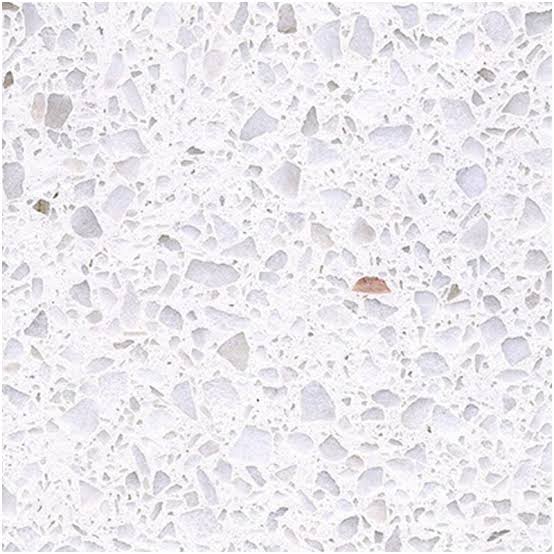
White cement is an important material in decorative construction and interior finishing. Its bright colour and fine texture make it useful for terrazzo floors, tile joints, decorative walls, architectural mouldings and other finishing applications. In particular, white cement for terrazzo is popular because it provides a light-coloured base that complements marble chips, decorative aggregates and selected pigments.
For homeowners, contractors, fundis, tile installers and interior designers in Kenya, choosing the right white cement can make a noticeable difference to the appearance of a finished surface. However, achieving a clean, consistent result requires more than buying a bag of cement. Surface preparation, mixing proportions, workmanship and curing all matter.
Whether you are planning a terrazzo floor, filling tile joints or creating a decorative wall finish, understanding white cement for terrazzo and other finishing applications can help you select suitable materials and achieve a better result.
What Is White Cement?
White cement is a specialised Portland cement manufactured using carefully selected raw materials with low levels of colouring compounds, particularly iron and manganese compounds. These materials help produce its characteristic white or light-coloured appearance.
Like ordinary grey cement, white cement acts as a binder when mixed with suitable materials and water. Its main advantage is its appearance, making it suitable for projects where the colour of the cement contributes to the final design.
White cement is commonly used for:
- Terrazzo flooring and decorative surfaces.
- Selected tile grouting applications.
- Decorative wall finishes and rendering.
- Architectural mouldings and detailing.
- Precast decorative elements.
- Coloured cement finishes using compatible pigments.
- Selected repair and finishing applications.
The specific suitability of white cement depends on its grade and manufacturer instructions. Not every white cement product is intended for every type of construction work.
Why Use White Cement for Terrazzo?
Terrazzo is a decorative surface created by combining a cementitious or resin-based binder with aggregates such as marble chips, granite fragments or other decorative materials. The exposed aggregate creates a distinctive pattern and texture.
In cement-based terrazzo, white cement for terrazzo can serve as the binder when a light or bright background is required. It helps create a finish in which the decorative aggregates remain visually prominent.
Creates a Brighter Terrazzo Finish
One of the main reasons contractors choose white cement for terrazzo is its colour. Unlike grey cement, which can darken or alter the appearance of light aggregates, white cement provides a lighter base.
This is especially useful when working with white, cream, beige or brightly coloured stone chips. The final appearance still depends on the aggregate, pigment, cement quality, mixing consistency and finishing process.
Supports Decorative Colour Combinations
White cement for terrazzo can be combined with compatible mineral pigments to create coloured flooring designs.
For example, a contractor may use selected pigments with marble chips to produce a customised floor pattern. White cement provides a useful base for achieving lighter and more vivid colour combinations.
Pigment selection and dosage should follow the manufacturer’s recommendations. Excessive pigment can affect the properties of the finished mix.
Provides Design Flexibility
Terrazzo can complement modern homes, commercial spaces, hotels, offices and retail interiors. With white cement for terrazzo, designers can create a subtle light finish or a more colourful decorative pattern, depending on the selected aggregates and pigments.
Binds the Decorative Aggregates
In cement-based terrazzo, white cement for terrazzo binds the selected aggregates into a solid decorative surface. When properly proportioned, placed, compacted and cured, the mixture forms a durable finish.
The performance of the finished terrazzo depends on the complete mix design and installation, not colour alone.
How to Make Terrazzo Using White Cement
Making terrazzo requires careful selection of materials and proper preparation of the base. The precise mix proportions depend on the design, aggregate size, required thickness and project specifications.
When using white cement for terrazzo, consistency is particularly important because variations in the cement, water quantity and pigment dosage can affect the final colour.
Select the Right Materials
The materials commonly used for cement-based terrazzo include:
- White cement.
- Clean decorative marble or stone chips.
- Compatible mineral pigments where colour is required.
- Clean mixing water.
- Suitable bonding or preparation materials where specified.
- Divider strips for decorative patterns and movement detailing.
The aggregates should be clean and free from excessive dust, clay and other contaminants. Dirty aggregates can affect bonding and the appearance of the finished floor.
Prepare the Base
The concrete base should be properly assessed before installing terrazzo.
It should be sound, stable, sufficiently level and free from loose material, oil and dust. Cracks, weak areas and other defects should be addressed before the decorative topping is installed.
Divider strips may be required to create decorative sections and accommodate the project’s design and movement requirements.
Prepare the Terrazzo Mixture
Measure the white cement and aggregates according to the approved project mix design or manufacturer’s instructions.
Blend the dry ingredients evenly before introducing water. Add clean water gradually until the mixture reaches the specified workable consistency.
Avoid adding excessive water because it can affect strength, colour consistency, shrinkage and the finished surface.
There is no universal white cement-to-aggregate ratio suitable for every terrazzo project. The correct proportions for white cement for terrazzo should be established from the project specification and confirmed with relevant technical guidance.
Place and Compact the Mixture
Spread the prepared terrazzo mixture evenly over the prepared base or into the specified installation area.
Ensure that the material is properly distributed around divider strips and that the required thickness is maintained.
Compact and level the mixture using suitable tools and methods for the selected terrazzo system.
Cure and Finish the Surface
Allow the terrazzo to cure according to the project requirements and material instructions.
Cement-based terrazzo may require grinding to expose the decorative aggregates and achieve a smooth, level appearance.
The surface can then be honed, polished and sealed using compatible products where required.
Professional installation is recommended for large terrazzo floors, patterned designs and areas where a consistent polished finish is important.
White Cement for Tile Grouting
White cement is also associated with tile grouting because its colour can complement light-coloured tiles and decorative finishes.
Grout fills the joints between tiles, helping create a neat finished appearance and reducing the spaces where dirt and debris can accumulate.
However, ordinary white cement should not automatically be treated as a replacement for a purpose-formulated tile grout. The suitability of white cement for terrazzo does not mean the same material is automatically appropriate for every tile joint.
Why White Grout Is Popular
White or light-coloured grout is commonly selected for:
- White ceramic tiles.
- Light-coloured wall tiles.
- Bathroom and kitchen finishes.
- Decorative mosaic installations.
- Selected terrazzo tile joints.
- Designs where a continuous light appearance is preferred.
The colour of the grout can influence how the entire tiled surface looks. A matching grout creates a more continuous appearance, while a contrasting colour makes the joints more visible.
Should You Use White Cement or Ready-Mixed Tile Grout?
The right choice depends on the tile type, joint width, exposure conditions and manufacturer’s instructions.
A purpose-formulated grout may include additives designed to improve workability, adhesion, water resistance and resistance to shrinkage.
Ordinary white cement mixed with water may not provide the same performance as a specialist grout. Choose a product specifically approved for the intended joint and exposure conditions.
For bathrooms, showers, kitchens and other areas exposed to regular moisture, select a grout suitable for the application. Confirm whether the installation also requires a separate waterproofing system.
How to Apply White Cement Grout
Where the selected white cement product is approved for the intended grouting application, the general process involves:
Prepare the tile joints: Remove loose adhesive, dust and debris from the joints. Ensure that the tile adhesive has reached the required curing stage.
Prepare the mixture: Follow the manufacturer’s instructions for the correct proportions and consistency. Do not estimate the water quantity.
Apply the material: Work the grout into the joints using an appropriate grout float or application tool.
Remove excess material: Clean excess grout from the tile surface at the recommended stage without washing material out of the joints.
Allow it to cure: Follow the specified curing time and protect the installation from premature exposure to water or heavy use.
Complete the cleaning: Remove remaining residue using a compatible cleaning method.
Always test the cleaning method on an inconspicuous area where the tile finish may be sensitive.
White Cement for Decorative Wall Finishing
White cement is useful in decorative wall applications where a light, smooth or customised finish is required.
It may be used in suitable rendering and decorative mortar systems, depending on the product specification. The same attention to material selection that applies to white cement for terrazzo should also be given to wall-finishing applications.
White Wall Rendering
White cement can be incorporated into a suitable rendering mixture to produce a lighter surface.
The final appearance depends on the aggregate grading, application thickness, preparation and finishing technique.
Before applying a decorative render, remove loose material and ensure that the substrate is suitable. Follow the required surface preparation and curing instructions.
Smooth Wall Finishes
Some finishing systems use white cement-based materials to create a smooth decorative surface.
However, not all white cement is a ready-to-use skim coat or wall putty. A product designed for general cementitious applications may require additional materials and specific workmanship to achieve a smooth finish.
Choose a product specifically intended for the desired surface treatment.
Architectural Details and Mouldings
White cement can be used in selected decorative architectural elements, including mouldings, trims, ornaments and precast features.
Its lighter colour helps produce decorative details that may otherwise require additional finishing or colouring.
For precast components, the mix design, mould preparation, compaction and curing process should be controlled to achieve consistent results.
Other Uses of White Cement in Construction
Beyond terrazzo, grout and wall finishes, white cement has several other decorative applications.
Precast Decorative Elements
White cement can be used in selected precast products where a light-coloured appearance is required.
Examples include decorative panels, ornaments, selected architectural details and other non-structural components.
The mix must be suitable for the intended use and meet the required performance specifications.
Coloured Cement Finishes
White cement can provide a suitable base for compatible pigments.
This allows designers and contractors to create different shades for decorative floors, wall finishes and architectural details. For projects involving white cement for terrazzo, pigment compatibility and consistent measurements are particularly important.
Decorative Concrete
In selected decorative concrete applications, white cement can contribute to a lighter finished surface.
It may be combined with suitable aggregates and pigments to create custom finishes.
For structural concrete, however, white cement should only be used where the mix design, grade and engineering requirements have been properly specified.
White Cement vs Grey Cement: What Is the Difference?
Both materials are types of cement, but they serve different aesthetic requirements.
| Feature | White cement | Grey cement |
|---|---|---|
| Appearance | White or light-coloured | Grey |
| Main advantage | Decorative colour and finishing flexibility | General construction applications |
| Terrazzo use | Useful for light and coloured designs | Suitable where a grey base is acceptable |
| Pigment use | Useful for lighter colour combinations | Grey base affects final colour |
| Tile grouting | Suitable only where the product is approved | Specialist grout is generally preferred |
| Wall finishing | Used in selected decorative systems | Used in general plastering and construction |
| Cost | Often higher | Usually more economical |
The choice should depend on the intended finish, project specification and overall budget.
White cement is not automatically stronger than grey cement. Strength depends on the cement grade, formulation, mix proportions, curing and quality control.
For a decorative floor, white cement for terrazzo may be preferable because of its colour, but the technical requirements of the complete floor system still need to be considered.
How to Choose Quality White Cement in Kenya
When buying white cement for terrazzo, grouting or decorative finishing, consider more than the colour of the powder.
Check the Product Description
Confirm that the product is white Portland cement or another clearly identified white cement product.
Read the packaging to establish its intended application and whether it is suitable for the work you plan to undertake.
Check the Grade and Technical Information
Look for the applicable cement standard, grade and technical documentation.
For projects with specific strength, setting or durability requirements, confirm that the product meets the project specification.
Do not assume that all white cement products have identical technical properties.
Inspect the Packaging
The bag should be sealed and in good condition.
Avoid cement that has become damp, hardened or lumpy due to moisture exposure. Cement should be stored in a dry environment and protected from water.
Consider Colour Consistency
For decorative work, consistency matters.
If a project requires multiple bags, use a consistent product and, where possible, materials from compatible batches. Differences in cement colour, pigment dosage and water quantity can create visible variations.
This is particularly important when purchasing white cement for terrazzo for a large continuous floor.
Buy From a Reliable Supplier
Choose a supplier who can confirm the product details, current price, stock availability and relevant technical information.
For larger projects, confirm whether sufficient quantities can be supplied from consistent batches.
Common Mistakes When Using White Cement
White cement can produce attractive finishes, but mistakes during preparation and application can affect the final appearance.
Adding Too Much Water
Excess water can affect the consistency and performance of the mix. It may also contribute to shrinkage, surface defects and uneven colour.
Measure water carefully and follow the specified mixing instructions.
Using Dirty Aggregates
Dust, clay and other contaminants can affect bonding and produce an inconsistent terrazzo finish.
Use clean aggregates that meet the project requirements.
Mixing Different Cement Products
Combining different cement products without checking compatibility can lead to inconsistent results.
Use the specified materials for the project and confirm compatibility before mixing.
Applying Grout Too Early
Grouting before the tile adhesive has cured sufficiently can affect the installation.
Follow the tile adhesive and grout manufacturer’s instructions regarding waiting times.
Using Ordinary White Cement in Every Wet Area
Bathrooms, showers and other wet locations may require specialised grout and a separate waterproofing system.
Do not assume that white cement alone provides a waterproof joint.
Ignoring Curing
Cementitious materials need appropriate curing to develop their intended properties.
Follow the product instructions and protect the finished surface from premature drying, contamination and heavy use.
How to Store White Cement Properly
Correct storage helps preserve the quality of white cement before use.
- Keep cement bags in a dry, covered storage area.
- Store bags off the floor on suitable pallets.
- Protect them from rain, leaks and ground moisture.
- Keep the packaging sealed until needed.
- Avoid placing heavy materials on top of bags.
- Follow the manufacturer’s shelf-life and storage recommendations.
- Use material that remains dry and free from hardened lumps.
White cement is particularly important to protect from contamination when it is intended for decorative finishing. Dirt and other materials can affect the final colour of white cement for terrazzo and other light-coloured surfaces.
Where to Buy White Cement in Kenya
If you are looking for white cement for terrazzo, tile grouting or decorative finishing, KK Empire Tradess Limited lists WHITE CEMENT for construction and finishing applications.
The product listing describes applications including decorative wall finishing, terrazzo flooring, tile grouting, precast decorative elements and architectural detailing.
You can view the White Cement product listing at KK Empire Tradess Limited to check the current product information, price and availability.
Before purchasing, confirm that the product is suitable for your specific application. For terrazzo flooring, ask about the intended aggregate and mix design. For tile joints, confirm whether the product is approved for the required grout application.
You can also explore the KK Empire Tradess online shop for other construction and finishing materials.
Frequently Asked Questions About White Cement
What is white cement used for?
White cement is used for decorative construction and finishing applications, including terrazzo flooring, selected tile grouting, wall rendering, architectural details, precast decorative elements and coloured cement finishes.
Can white cement be used for terrazzo flooring?
Yes. White cement for terrazzo can act as the binder in cement-based terrazzo flooring. It is combined with suitable decorative aggregates and, where required, compatible pigments. The final mix proportions and installation method should follow the project specification.
What is the difference between white cement and grey cement?
White cement has a lighter appearance because it is manufactured using carefully selected raw materials with low levels of colouring compounds. Grey cement has the familiar grey appearance and is commonly used for general construction. Both are cement binders, but their suitability depends on the intended application.
Can white cement be used for tile grouting?
Some white cement products can be used in selected grouting applications where the manufacturer permits it. However, purpose-formulated tile grout is often more suitable because it may contain additives that improve performance. Always select grout according to the tile type, joint width and exposure conditions.
Can white cement be mixed with pigments?
Yes. Compatible mineral pigments can be added to white cement-based mixtures to produce coloured decorative finishes. Follow the pigment manufacturer’s dosage instructions and maintain consistent proportions to reduce colour variations.
What is the correct white cement mixing ratio for terrazzo?
There is no single ratio suitable for every terrazzo installation. The required proportions depend on the cement, aggregate type and size, finish, thickness and project specification. Follow the approved terrazzo mix design rather than using an assumed general ratio.
Can white cement be used for bathroom walls?
White cement can be incorporated into suitable bathroom finishing systems, depending on the product. However, surfaces exposed to regular water should have an appropriate waterproofing system and compatible grout or finishing materials.
Is white cement waterproof?
White cement is not automatically a waterproofing product. Its resistance to water depends on the complete formulation, mix design and application. Where waterproofing is required, use a suitable product specifically designed for that purpose.
Can white cement be used outdoors?
Some white cement products and cement-based finishing systems are suitable for exterior applications. Check the manufacturer’s instructions and confirm that the selected system can withstand the intended weather and exposure conditions.
How should white cement be stored?
Store white cement in sealed packaging in a dry, covered location, raised off the floor and protected from moisture. Avoid using cement that has hardened or developed lumps due to moisture exposure.
Get the Right White Cement for Your Finishing Project
White cement offers useful design flexibility for terrazzo flooring, selected grouting applications, decorative walls and architectural details. Its bright appearance makes it particularly valuable where the colour of the finished cement contributes to the overall design.
For decorative flooring, white cement for terrazzo can provide a light base for marble chips, stone aggregates and compatible pigments. The best results come from selecting the correct product, using clean compatible materials, following the appropriate mix design and allowing sufficient curing time.
If your project requires white cement for terrazzo or decorative finishing, visit the KK Empire Tradess White Cement product page to review the listing and confirm current availability before ordering.


