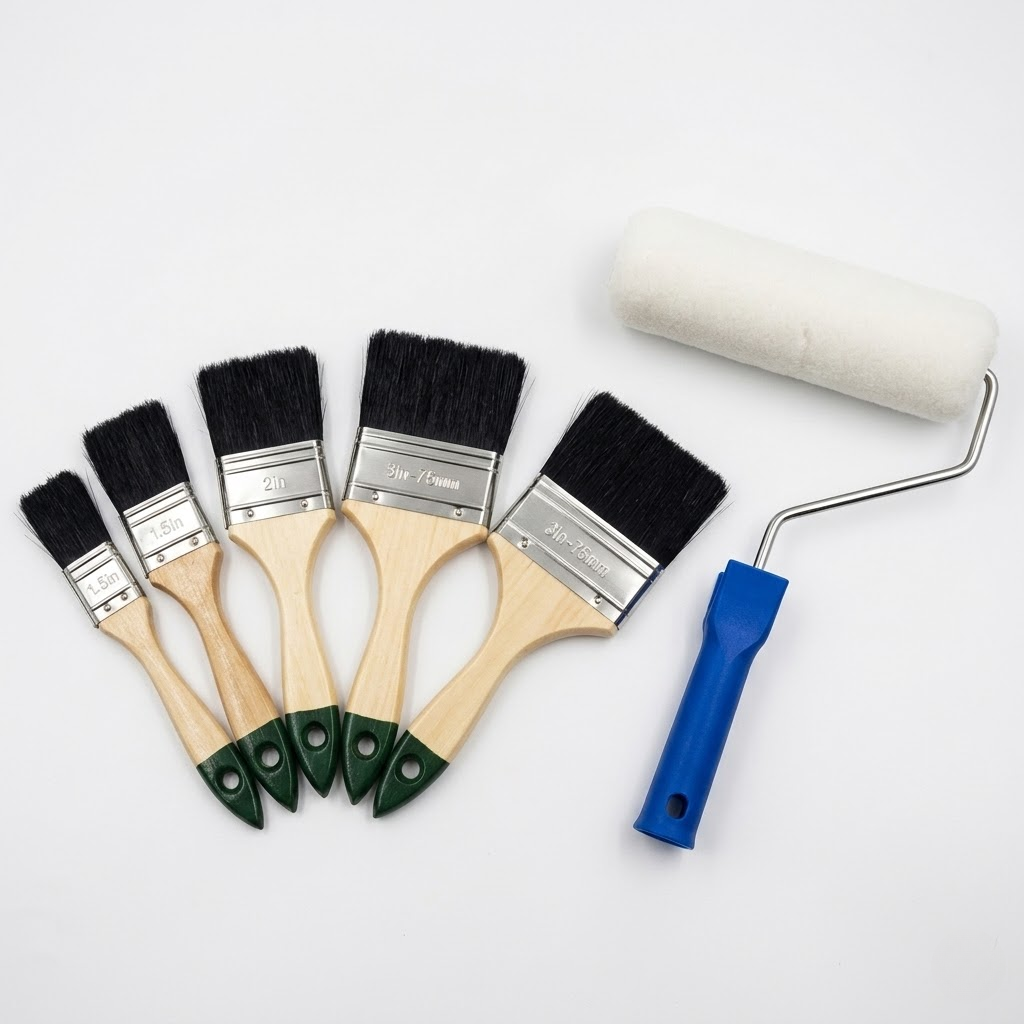
Choosing the correct paint brushes and paint rollers in Kenya is essential for achieving smooth finishes, reducing paint wastage, and improving painting efficiency for residential and commercial projects. The right painting tools help create cleaner edges, better paint coverage, and more durable finishes for walls, ceilings, wood, metal, and exterior surfaces.
Painting quality depends not only on the paint itself but also on the tools used during application. Homeowners, contractors, interior designers, and renovation specialists across Nairobi, Mombasa, Kisumu, Nakuru, Eldoret, and other regions increasingly prioritize professional painting finishes for apartments, offices, retail spaces, hotels, and residential homes.
Professional painters understand that different surfaces require different brushes and rollers. Smooth gypsum walls, rough exterior masonry, wood trims, ceilings, metal gates, and textured walls all require specific painting tools for efficient paint transfer and consistent coverage.
For renovation materials, finishing products, and construction supplies, visit KK Empire Tradess Limited or browse available products via the KK Empire Shop.
Why Choosing the Right Paint Brush and Roller Matters
The correct paint brush and roller improve paint adhesion, reduce streaks, minimize splatter, and create more professional finishes. Poor-quality tools often result in uneven coverage, visible brush marks, roller lint contamination, and excessive paint consumption.
In Kenyan residential and commercial projects, proper painting tools also improve project speed, reduce repainting costs, and increase coating durability under varying climate conditions.
Painting tools influence:
- Paint absorption
- Surface smoothness
- Finish consistency
- Paint wastage
- Drying uniformity
- Long-term durability
Using the wrong roller on rough masonry walls can create uneven coverage and increase paint usage. Similarly, poor-quality brushes may shed bristles into fresh paint, creating rough finishes that require sanding and repainting.
Professional contractors in Nairobi, Kiambu, and Kitengela often invest in higher-grade rollers and synthetic brushes because they reduce labor time and improve final presentation quality.
Understanding Paint Brushes
Paint brushes are precision painting tools designed for corners, trims, edges, doors, furniture, metal surfaces, and detailed finishing work. Brush quality directly affects paint flow, edging precision, and smoothness of finish.
Selecting the correct brush type helps achieve cleaner edges, improved paint distribution, and reduced visible brush strokes during residential and commercial painting projects.
Main Types of Paint Brushes
Flat Paint Brushes
Flat brushes are commonly used for:
- Walls
- Doors
- Cabinets
- Furniture
- Large flat surfaces
These brushes carry more paint and improve coverage efficiency.
Angled Paint Brushes
Angled brushes are suitable for:
- Corners
- Ceiling lines
- Window frames
- Detailed edging
- Trim painting
Professional painters prefer angled brushes because they improve control during cutting-in applications.
Round Paint Brushes
Round brushes are used for:
- Decorative painting
- Curved surfaces
- Metal railings
- Detailed touch-up work
Natural vs Synthetic Paint Brushes
Paint brush bristle material affects paint compatibility, finish quality, moisture resistance, and application smoothness. Synthetic brushes are generally preferred for modern water-based paints used in Kenya.
Choosing the right bristle type improves durability, paint release consistency, and cleaning efficiency for repeated renovation projects.
Natural Bristle Brushes
Best for:
- Oil-based paints
- Enamel coatings
- Wood varnishes
Advantages:
- Smooth finish
- Excellent paint holding capacity
Limitations:
- Absorb moisture
- Not ideal for water-based paints
Synthetic Brushes
Best for:
- Acrylic paints
- Emulsion paints
- Water-based coatings
Advantages:
- Moisture resistance
- Better shape retention
- Reduced bristle shedding
Synthetic nylon and polyester brushes dominate modern Kenyan construction projects because water-based paints are commonly used in apartments, offices, schools, and commercial buildings.
How Paint Rollers Work
Paint rollers are designed to cover large surfaces quickly while maintaining uniform paint texture and reducing visible application marks. Roller selection depends on wall texture, paint type, and desired finish quality.
Using the correct roller improves painting speed, reduces labor costs, and enhances finish consistency for residential and commercial projects.
Paint rollers transfer paint evenly across:
- Interior walls
- Ceilings
- Exterior masonry
- Concrete surfaces
- Gypsum walls
Compared to brushes, rollers:
- Cover larger areas faster
- Produce more uniform finishes
- Reduce visible streaking
- Improve paint efficiency
However, rollers are less effective for:
- Tight corners
- Decorative trims
- Narrow edges
- Intricate detailing
For most projects, professional painters combine brushes and rollers together for complete surface coverage.
Understanding Roller Nap Thickness
Roller nap refers to the thickness of roller fibers. Nap thickness affects paint holding capacity, texture creation, and surface compatibility.
Selecting the correct roller nap improves coverage efficiency, minimizes roller marks, and enhances paint adhesion on different wall textures.
| Roller Nap | Recommended Surface | Finish Type |
|---|---|---|
| 1/4 inch | Smooth surfaces | Fine smooth finish |
| 3/8 inch | Standard walls | Balanced finish |
| 1/2 inch | Textured walls | Better coverage |
| 3/4 inch | Rough masonry | Heavy paint loading |
Thin Nap Rollers
Suitable for:
- Smooth gypsum walls
- MDF surfaces
- Fine plaster walls
These produce smoother finishes with less texture.
Medium Nap Rollers
Best for:
- Standard interior walls
- Apartment repainting
- Office renovations
Medium nap rollers are among the most commonly used options in Nairobi residential projects.
Thick Nap Rollers
Recommended for:
- Exterior walls
- Rough plaster
- Concrete surfaces
- Textured masonry
They hold more paint and improve penetration into uneven surfaces.
Paint Roller Materials Explained
Roller material affects paint absorption, splatter resistance, finish texture, and durability. Different materials are engineered for specific surfaces and paint systems.
Understanding roller material types helps homeowners and contractors select tools that match project requirements and environmental conditions.
Foam Rollers
Best for:
- Gloss paints
- Cabinets
- Smooth doors
- Fine finishes
Advantages:
- Smooth texture
- Minimal stippling
Limitations:
- Not ideal for rough surfaces
Microfiber Rollers
Widely used for:
- Interior walls
- Ceilings
- Residential painting
Advantages:
- Low splatter
- Smooth paint release
- Good paint retention
Polyester Rollers
Suitable for:
- Exterior masonry
- Commercial projects
- Rough walls
Advantages:
- Strong durability
- High paint loading capacity
Best Paint Brushes and Rollers for Different Surfaces
Different surfaces require specific brush stiffness, roller density, and nap thickness to achieve proper paint adhesion and finish quality.
Matching the painting tool to the surface improves efficiency, reduces paint wastage, and creates more durable finishes.
Gypsum Walls
Recommended:
- Microfiber rollers
- Medium nap rollers
- Synthetic brushes
These create smooth interior finishes.
Exterior Masonry
Recommended:
- Thick nap rollers
- Polyester rollers
- Wide synthetic brushes
These tools improve paint penetration into rough surfaces.
Wood Surfaces
Recommended:
- Fine synthetic brushes
- Foam rollers for smooth coatings
Suitable for:
- Doors
- Furniture
- Cabinets
Metal Surfaces
Recommended:
- Firm bristle brushes
- Enamel-compatible brushes
Common for:
- Gates
- Railings
- Steel structures
Choosing Painting Tools for Kenyan Climate Conditions
Kenya’s varying climate conditions affect paint drying, adhesion, and long-term coating performance. Selecting climate-appropriate painting tools improves durability and finish quality.
Professional contractors often choose rollers and brushes based on humidity levels, temperature changes, rainfall exposure, and dust conditions in different regions.
Nairobi and Central Kenya
Projects often require:
- Medium nap rollers
- Low-splatter rollers
- Moisture-resistant synthetic brushes
Cold mornings and rainy seasons can affect drying consistency.
Coastal Areas: Mombasa & Malindi
High humidity conditions require:
- Mold-resistant coatings
- Dense microfiber rollers
- Corrosion-resistant painting accessories
Moisture exposure increases the importance of uniform paint application.
Rift Valley Regions
Outdoor painting projects in Nakuru and Eldoret often require:
- Durable polyester rollers
- Thick nap rollers
- High paint retention tools
Wind and dust exposure increase surface wear.
Common Painting Mistakes to Avoid
Many paint finish problems result from incorrect tool selection rather than poor paint quality. Proper preparation and painting techniques significantly improve project results.
Avoiding common painting mistakes reduces repainting costs, uneven texture, and premature coating failure in residential and commercial projects.
Using Cheap Brushes
Low-quality brushes may:
- Shed bristles
- Leave streaks
- Wear out quickly
Overloading Rollers
Too much paint causes:
- Drips
- Uneven texture
- Roller marks
Using the Wrong Roller Nap
Thin rollers on rough walls reduce paint coverage and increase labor time.
Poor Cleaning Practices
Improperly cleaned brushes:
- Harden over time
- Lose flexibility
- Reduce finish quality
Paint Brush and Roller Specifications Table
Specifications tables help contractors, developers, and homeowners compare painting tools based on surface compatibility, finish quality, and durability requirements.
Technical specifications improve product selection accuracy and support better project planning for residential and commercial painting applications.
| Parameter | Paint Brush Example | Paint Roller Example |
|---|---|---|
| Material | Nylon/Polyester | Microfiber/Polyester |
| Recommended Paint | Water-based acrylic | Emulsion paint |
| Finish Type | Smooth edging | Uniform wall finish |
| Surface Compatibility | Corners & trims | Large flat walls |
| Paint Retention | Moderate | High |
| Shedding Resistance | High-quality synthetic | Lint-resistant microfiber |
| Recommended Use | Precision painting | Fast wall coverage |
| Cleaning Method | Water or thinner | Water and detergent |
| Expected Lifespan | Multiple projects | Several repaint cycles |
Maintenance and Cleaning of Painting Tools
Proper cleaning extends the lifespan of paint brushes and rollers while preserving finish quality for future projects. Well-maintained tools reduce replacement costs and improve application consistency.
Contractors handling multiple renovation projects across Kenya prioritize tool maintenance to improve efficiency and reduce operational expenses.
Cleaning Water-Based Paint
Use:
- Warm water
- Mild detergent
- Brush combs
Cleaning Oil-Based Paint
Use:
- Paint thinner
- Mineral spirits
- Solvent-safe containers
Proper Storage
Recommended practices:
- Hang brushes vertically
- Store rollers in dry conditions
- Avoid crushing roller fibers
Why Professional Contractors Use Quality Painting Tools
Professional painters invest in higher-grade brushes and rollers because they improve finish quality, reduce labor costs, and increase project efficiency.
Quality painting tools reduce repainting requirements and help achieve smoother, more durable finishes for apartments, hotels, offices, and residential homes.
Large-scale projects in Nairobi, Kiambu, Machakos, and Kisumu often require:
- Faster wall coverage
- Reduced paint wastage
- Consistent finish quality
- Improved worker productivity
Professional-grade rollers also withstand repeated cleaning cycles better than low-cost alternatives.
To explore renovation materials and construction finishing products, visit:
- KK Empire Tradess Limited Homepage
- Shop Renovation & Construction Supplies
- About KK Empire Tradess Limited
- Contact KK Empire Tradess Limited
Additional renovation resources:
- Browse Interior Finishing Products
- Explore Building and Renovation Supplies
- Get Professional Renovation Assistance
- Learn More About KK Empire Tradess Limited
FAQ: Paint Brushes and Rollers in Kenya
Which paint roller is best for interior walls?
Medium nap microfiber rollers are ideal for interior walls because they provide smooth coverage with minimal splatter.
What is the difference between foam rollers and microfiber rollers?
Foam rollers create smoother finishes for gloss paints, while microfiber rollers hold more paint and work better on standard walls.
Which brush is best for cutting edges?
Angled synthetic brushes provide better precision for corners, trims, and ceiling lines.
Can I use the same brush for oil-based and water-based paints?
It is not recommended because leftover paint residue affects finish quality and cleaning requirements differ.
Why do rollers leave marks on walls?
Roller marks usually result from uneven pressure, excessive paint loading, or poor-quality roller covers.
Which roller nap is best for rough walls?
Thick nap rollers are best for rough masonry because they hold more paint and improve surface penetration.
How long do quality paint rollers last?
Professional-grade rollers can last through multiple painting projects when properly cleaned and stored.
Which painting tools are best for humid coastal regions in Kenya?
Dense microfiber rollers and moisture-resistant synthetic brushes perform better in humid areas like Mombasa and Malindi.
Selecting the correct paint brush and roller improves painting efficiency, finish consistency, paint durability, and overall project quality. The best painting tools depend on surface texture, paint type, climate conditions, and project scale.
For Kenyan homeowners, contractors, developers, and renovation professionals, investing in quality painting tools helps reduce labor costs, minimize paint wastage, and achieve smoother finishes across residential and commercial projects.
Understanding roller nap thickness, brush bristle material, surface compatibility, and regional climate considerations ensures more durable and professional painting results.
info@kketrades.com
Call/WhatsApp: +254 718 990 010
Website: https://kkempiretradesslimited.com/
Delivery Availability:
Fast delivery within Nairobi and across Kenya including Kiambu, Nakuru, Kisumu, Eldoret, Mombasa, Thika, Kitengela, Machakos, and surrounding regions.