Water systems are the backbone of every building in Kenya, from residential homes in Nairobi to commercial developments in Mombasa and Kisumu. Poorly executed water systems lead to leaks, pressure loss, contamination risks, and expensive repairs.
Water system fitting services in Kenya determine whether a building has a reliable, efficient, and long-lasting water supply network.
Proper installation ensures consistent water flow, prevents waste, and protects structural integrity over time.
What Is Water System Fitting in Kenya?
Water system fitting services in Kenya refer to the professional installation of pipes, joints, tanks, valves, and fixtures that distribute clean water and manage wastewater in buildings.
These systems ensure safe water delivery, proper drainage, and long-term efficiency in residential, commercial, and industrial properties.
Water system fitting includes:
- Pipe routing and installation
- Water storage tank connections
- Bathroom and kitchen water supply lines
- Drainage and wastewater systems
- Pressure control and valves
Explore related systems and fittings:
kkempiretradesslimited
shop
Why Proper Water System Fitting Matters in Kenya
Proper water system fitting ensures leak-free operation, efficient water usage, and long-term durability of plumbing infrastructure in Kenyan buildings.
It reduces maintenance costs, prevents water damage, and ensures compliance with national building standards.
Poor installation leads to:
- Hidden leaks inside walls
- High water bills due to wastage
- Low water pressure in bathrooms and kitchens
- Mold growth from moisture seepage
Key Components of Water System Fitting
Water system fitting services in Kenya involve interconnected components such as pipes, valves, storage tanks, and fixtures that ensure controlled water flow throughout a building.
Each component must be correctly selected and installed to guarantee system reliability and safety.
Main Components:
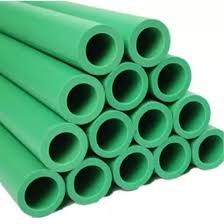
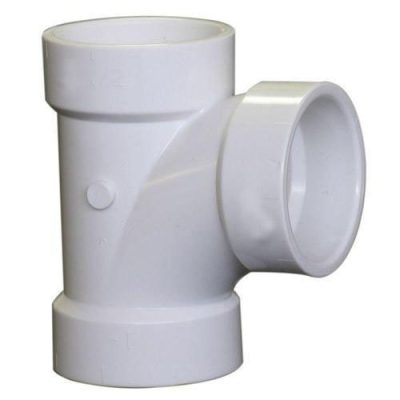
- PVC and PPR pipes for water distribution
- Water storage tanks for supply stability
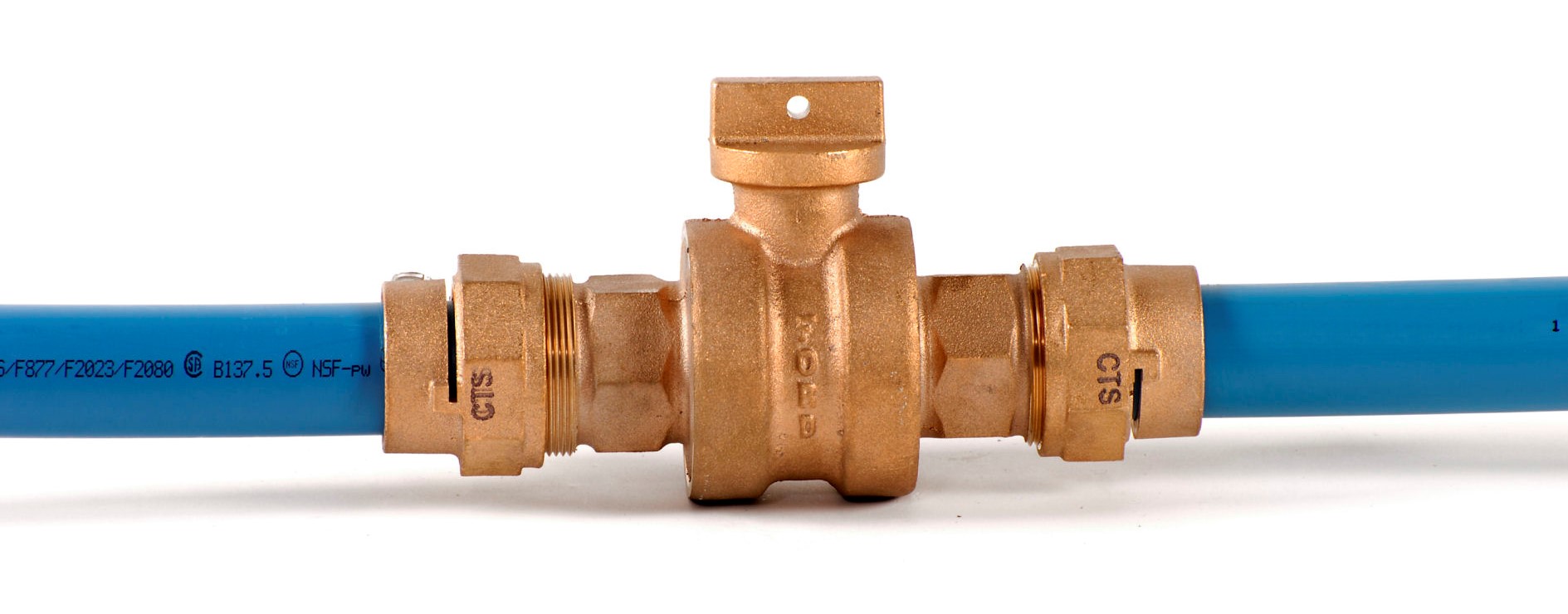
- Shut-off valves for control and maintenance
- Pressure regulators for flow stability
- Bathroom fixtures (basins, showers, toilets)
Types of Water Systems Used in Kenya
Water system fitting services in Kenya typically include gravity-fed systems, pressurized systems, and hybrid water distribution systems depending on building design and water demand.
Each system is selected based on building height, usage requirements, and water source reliability.
1. Gravity-Fed Systems
- Common in residential homes
- Uses elevated water tanks
- Simple and cost-effective
2. Pressurized Systems
- Uses pumps to maintain pressure
- Ideal for high-rise buildings
- Ensures consistent water flow
3. Hybrid Systems
- Combines gravity and pumps
- Used in commercial developments
- Offers reliability during outages
Importance of Professional Water System Fitting Services in Kenya
Professional water system fitting services in Kenya ensure correct pipe sizing, proper joint sealing, and accurate system layout to prevent leaks and pressure failures.
Experts follow engineering standards that improve safety, efficiency, and long-term system performance.
Benefits:
- Reduced risk of pipe bursting
- Proper water pressure distribution
- Compliance with KEBS and building codes
- Long-lasting infrastructure performance
Kenyan Climate Impact on Water Systems
Kenya’s varying climate conditions affect water system durability, making proper material selection and installation techniques essential for long-term performance.
Humidity, heat, and soil conditions influence pipe expansion, corrosion resistance, and system lifespan.
Coastal Kenya (Mombasa, Malindi)
- High humidity increases corrosion risk
- Requires corrosion-resistant fittings
- Mold-resistant bathroom integration recommended
Nairobi & Central Kenya
- Temperature fluctuations affect pipe expansion
- Balanced pressure systems required
Rift Valley Regions
- Soil movement requires flexible piping systems
- Strong joint sealing is essential
Common Water System Fitting Mistakes
Most water system failures in Kenya result from poor installation practices, incorrect pipe selection, and lack of pressure balancing in the system.
Avoiding these mistakes ensures long-term efficiency and reduces repair costs.
Common mistakes:
- Using low-quality pipes
- Incorrect pipe sizing
- Poor joint sealing
- Ignoring pressure control systems
- Lack of professional layout planning
Specifications Table: Water System Fittings
| Parameter | Specification |
|---|---|
| Pipe Material | PVC / PPR / Copper |
| Pressure Rating | PN10–PN20 |
| Temperature Resistance | Up to 60°C (standard systems) |
| Installation Type | Concealed / Exposed |
| System Type | Gravity / Pressurized / Hybrid |
| Lifespan | 15–30 years (proper installation) |
| Maintenance | Low with periodic inspection |
Regulatory & Quality Standards in Kenya
Water system fitting services in Kenya must comply with KEBS standards and Kenya Building Code 2024 to ensure safety, efficiency, and environmental compliance.
These standards regulate material quality, pressure tolerance, and installation procedures.
Why compliance matters:
- Prevents system failures and contamination
- Ensures safe drinking water distribution
- Improves long-term durability
- Reduces maintenance and repair costs
Water System Applications in Kenya
Water system fitting services in Kenya are used in residential homes, apartments, commercial buildings, hotels, and industrial facilities to ensure reliable water distribution and drainage.
Each application requires a customized system design based on usage demands.
Applications:
- Residential housing projects
- Apartment complexes
- Hotels and hospitality buildings
- Office buildings
- Hospitals and institutions
FAQ: Water System Fitting Services in Kenya
1. What is water system fitting?
It is the installation of pipes, tanks, valves, and fixtures that distribute water in buildings.
2. Why is proper water system fitting important?
It prevents leaks, improves water efficiency, and extends system lifespan.
3. What materials are used in water systems in Kenya?
PVC, PPR, and copper pipes are commonly used depending on application needs.
4. How long does a water system last?
A properly installed system can last 15–30 years with minimal maintenance.
5. What causes water leaks in buildings?
Poor installation, low-quality materials, and incorrect pipe sizing.
6. Is professional installation necessary?
Yes, it ensures compliance with safety standards and long-term system reliability.
7. Can water systems be upgraded later?
Yes, systems can be expanded or modified with proper planning.
8. Where can I get water system fittings in Kenya?
KK Empire Tradess Limited supplies quality water system components for residential and commercial projects.
shop
Water system fitting services in Kenya are critical for building safe, efficient, and long-lasting water infrastructure.
Proper design and professional installation prevent costly failures and ensure reliable water supply in all types of buildings across Kenya.
Contact KK Empire Tradess Limited
info@kketrades.com
Call/WhatsApp: +254 718 990 010
Website: https://kkempiretradesslimited.com/
Delivery Availability:
Fast delivery within Nairobi and across Kenya including Kiambu, Nakuru, Kisumu, Eldoret, Mombasa, Thika, Kitengela, Machakos, and surrounding regions.