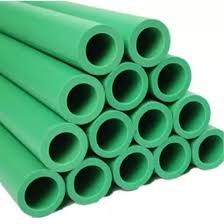
Certified PPR pipes are becoming the standard for modern plumbing in Kenya because they significantly reduce hidden repair costs caused by leaks, burst joints, and underground pipe failures. This guide explains why KEBS-certified PPR (Polypropylene Random Copolymer) piping systems are more reliable than traditional plumbing materials and how they protect homeowners from expensive structural repairs.
What makes KEBS certified PPR pipes different from standard plumbing pipes?
KEBS certified PPR pipes are manufactured under strict quality standards that guarantee uniform wall thickness, heat resistance, and pressure durability, making them far more reliable than uncertified or low-grade plastic pipes.
Unlike ordinary PVC or substandard plastic pipes, certified PPR systems are designed for fusion welding, which chemically bonds joints into a single continuous pipe. This eliminates weak connection points that typically cause leaks in Kenyan homes.
Homeowners sourcing reliable plumbing materials often rely on verified suppliers such as:
shop and kkempiretradesslimited
Why PPR pipes reduce hidden repair costs in Kenyan homes
PPR pipes reduce hidden repair costs because they eliminate joint leakage, resist internal pressure failures, and prevent water damage inside walls where repairs are expensive and disruptive.
In many Kenyan homes, especially in Nairobi apartments and gated communities, plumbing pipes are embedded inside masonry walls. When traditional pipes fail, homeowners face:
- Wall demolition costs
- Tile replacement expenses
- Repainting and plastering repairs
- Structural damp damage restoration
PPR pipes prevent these issues because their fusion-welded joints are permanently sealed, meaning there is no rubber gasket or adhesive joint that can weaken over time.
Explore plumbing systems here:
shop
How fusion-welded PPR joints eliminate leakage risks
Fusion-welded PPR joints create a molecular bond between pipe sections, making the connection as strong as the pipe itself and virtually eliminating leakage risks under normal operating conditions.
This process uses heat fusion rather than glue or mechanical fittings. The result is:
- No adhesive breakdown over time
- No rubber seal degradation
- No micro-leaks inside walls
- High resistance to pressure surges
In Kenyan residential construction, this is especially important for:
- Bathroom hot and cold water lines
- Kitchen supply systems
- Apartment vertical riser systems
Common plumbing failures in Kenya and how PPR prevents them
Most plumbing failures in Kenya occur due to joint failure, pipe corrosion, or poor installation practices, all of which are significantly reduced when using certified PPR piping systems.
Typical failure points include:
- Leaking threaded joints in metal pipes
- Cracked PVC socket joints due to stress
- Corrosion in galvanized iron pipes
- Poor solvent cement application
PPR eliminates these risks by:
- Removing threaded joints entirely
- Using heat-fused connections
- Resisting corrosion and chemical degradation
- Maintaining flexibility under pressure changes
For renovation upgrades, see:
about-us
Kenyan climate and why PPR performs better than alternatives
PPR pipes perform better in Kenyan conditions because they resist temperature variation, moisture exposure, and underground soil pressure better than conventional plumbing materials.
Nairobi & Central Kenya
- Temperature fluctuations cause metal pipe expansion issues
- PPR remains dimensionally stable under heat and cold cycles
Coastal regions (Mombasa, Malindi)
- High humidity accelerates corrosion in metal pipes
- PPR is completely corrosion-resistant
Rift Valley regions
- Soil movement and structural vibration stress pipes
- PPR’s flexibility reduces cracking risk
KEBS certification and why it matters in plumbing systems
KEBS certification ensures that PPR pipes meet Kenya’s national safety, durability, and water pressure standards, reducing the risk of premature system failure.
Certified pipes guarantee:
- Accurate pressure ratings
- Safe potable water delivery
- Resistance to toxic material contamination
- Long-term durability under Kenyan building conditions
Using uncertified pipes may result in:
- Hidden wall leaks
- Water contamination risks
- Early system breakdown
- Higher lifetime maintenance costs
Installation quality vs material quality: what actually determines cost savings
Even the best PPR pipes will fail if improperly installed, but certified systems combined with professional heat fusion installation significantly reduce lifetime repair costs.
Key installation requirements:
- Correct heating temperature during fusion
- Proper alignment before joining
- Adequate cooling time before pressure testing
- Use of calibrated fusion welding tools
In Kenya, many plumbing failures are not material-related but workmanship-related. Certified systems reduce risk margins significantly.
Long-term financial benefits of using PPR pipes
PPR pipes save homeowners money by reducing repair frequency, eliminating hidden leak damage, and extending plumbing system lifespan beyond 30 years in most residential applications.
Financial benefits include:
- No frequent joint replacements
- Reduced water loss from micro-leaks
- Lower maintenance and inspection costs
- Avoidance of structural repair bills
In apartment buildings, one hidden leak can cost thousands in tile removal and rebuilding. PPR systems prevent these scenarios entirely.
Where PPR pipes are best used in Kenyan homes
PPR pipes are best used in pressurized water supply systems where durability, hygiene, and long-term reliability are essential.
Ideal applications include:
- Bathroom water supply lines
- Kitchen water distribution systems
- Hot water systems (geyser lines)
- Apartment riser piping systems
- Commercial building plumbing networks
They are not typically used for open drainage systems, where PVC is more appropriate.
Specifications Table: KEBS Certified PPR Pipe System
| Parameter | Specification |
|---|---|
| Material | Polypropylene Random Copolymer (PPR) |
| Joint Type | Heat fusion welded |
| Temperature Resistance | Up to 95°C |
| Pressure Rating | PN10 – PN25 |
| Lifespan | 30–50 years |
| Corrosion Resistance | 100% resistant |
| Application | Hot & cold water supply |
| Certification | KEBS approved |
FAQ: Certified PPR pipes in Kenya
1. Are certified PPR pipes better than PVC pipes?
Yes, PPR pipes are better for pressurized water supply systems because they are heat-fused and more durable, while PVC is mainly used for drainage.
2. Why do certified PPR pipes cost more?
They use higher-grade raw materials, undergo KEBS quality testing, and provide long-term savings by preventing leaks and repairs.
3. Can certified PPR pipes burst inside walls?
When properly installed and certified, PPR pipes are highly resistant to bursting under normal residential water pressure conditions.
4. How long do certified PPR pipes last in Kenyan homes?
They typically last 30–50 years depending on water quality, installation quality, and pressure conditions.
5. What causes certified PPR pipes failures?
Most failures come from poor fusion welding, incorrect installation temperature, or use of non-certified materials.
6. Are certified PPR pipes suitable for hot water?
Yes, PPR pipes are specifically designed for both hot and cold water systems and can withstand high temperatures.
Contact KK Empire Tradess Limited
info@kketrades.com
Call/WhatsApp: +254 718 990 010
Website: https://kkempiretradesslimited.com/
Delivery Availability:
Fast delivery within Nairobi and across Kenya including Kiambu, Nakuru, Kisumu, Eldoret, Mombasa, Thika, Kitengela, Machakos, and surrounding regions.