What are waterproof tile grouts and bathroom sealants?
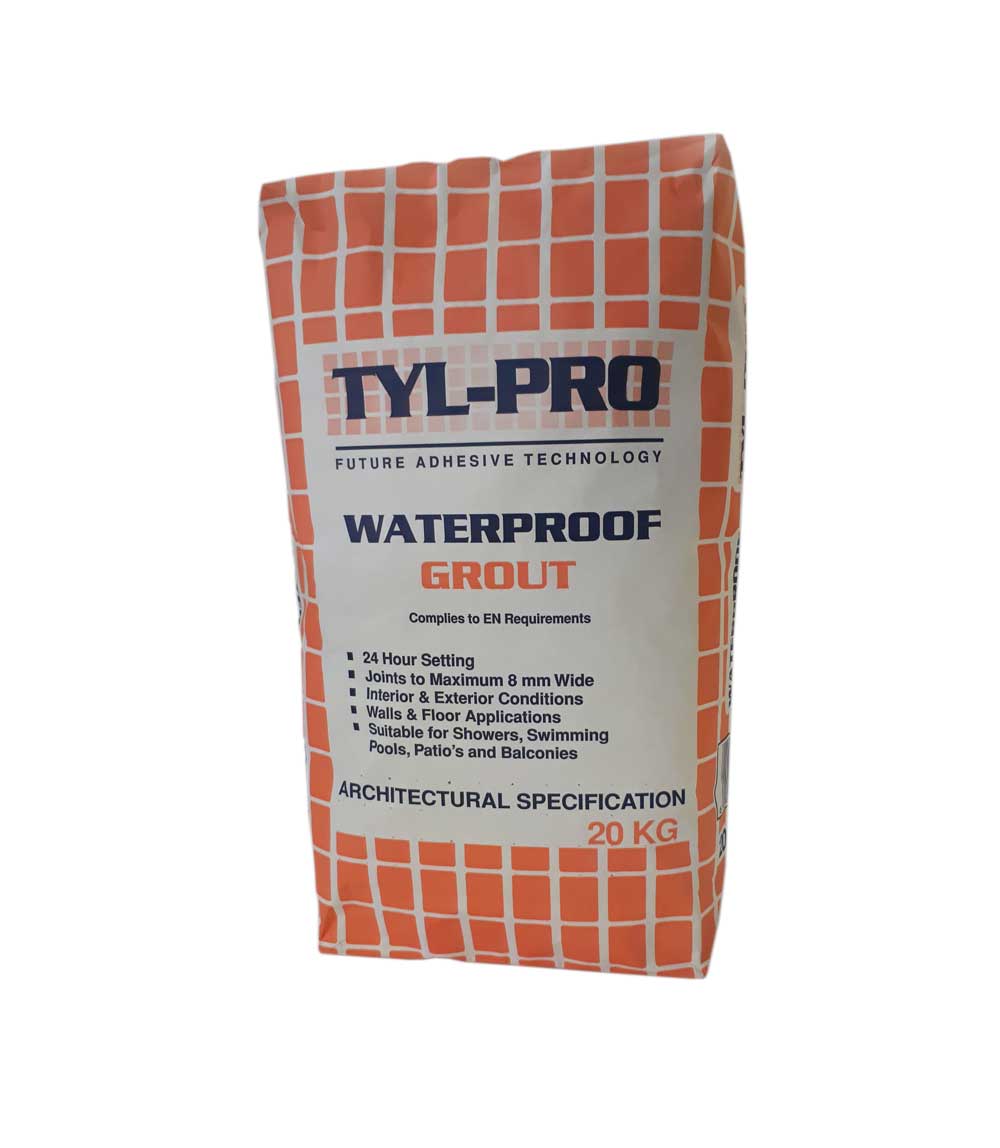
Waterproof tile grouts and sealants are specialized finishing materials used to fill gaps between tiles and seal joints in wet areas such as bathrooms, showers, and kitchens. They prevent water penetration, inhibit mold growth, and protect underlying structures from moisture damage.
Tile grout is applied between tiles to stabilize and lock them in place, while sealants (such as silicone) are used on edges, corners, and expansion joints where movement and water exposure are highest.
Why waterproof grout is essential for bathroom wet areas
Waterproof tile grout is essential because it blocks moisture from penetrating beneath tiles, where mold, mildew, and structural damage can develop. It ensures long-term hygiene, durability, and aesthetic preservation of bathroom surfaces.
In Kenyan homes, especially in humid regions and poorly ventilated bathrooms, standard cement grout often absorbs water, leading to:
- Black mold formation on joints
- Tile loosening due to water seepage
- Unpleasant odors in wet rooms
- Long-term structural weakening
Waterproof and epoxy-based grouts eliminate these risks by forming a dense, non-porous barrier.
Where to buy waterproof tile grout and sealants in Kenya
Waterproof tile grouts and silicone sealants are available from construction material suppliers, tile shops, and specialized waterproofing product distributors in Kenya. Nairobi serves as the main supply hub for epoxy grouts and anti-mold bathroom sealants used in residential and commercial projects.
For construction finishing and waterproofing materials, you can source through KK Empire Tradess Limited:
- Browse waterproofing and finishing materials on the KK Empire Tradess shop
- Learn more about product reliability and sourcing on the About Us page
- Request bulk orders or technical support via the Contact Us page
- Explore full product categories on the homepage
These channels support contractors handling bathroom renovations, hotel fit-outs, and residential waterproofing projects across Kenya.
Types of tile grouts used in Kenya
Tile grouts vary based on composition, flexibility, and water resistance, with epoxy grout being the most advanced waterproof solution. The choice of grout directly affects mold resistance, durability, and maintenance requirements.
- Cement-based grout: Affordable but porous and prone to water absorption
- Epoxy grout: Highly waterproof, stain-resistant, and ideal for wet areas
- Acrylic grout: Flexible and moderately water-resistant for light wet zones
- Polymer-modified grout: Improved strength and reduced water absorption
Epoxy grout is preferred in modern bathrooms due to its superior resistance to mold and chemical damage.
Types of bathroom sealants used for waterproofing
Bathroom sealants are flexible materials used to seal joints, corners, and edges where tiles meet other surfaces. They prevent water leakage and accommodate structural movement without cracking.
- Silicone sealants: Highly flexible and mold-resistant, ideal for showers
- Polyurethane sealants: Strong adhesion and durable waterproofing
- Acrylic sealants: Paintable and suitable for light moisture areas
- Anti-fungal silicone sealants: Designed specifically for bathroom hygiene
Silicone-based sealants are most commonly used in wet rooms due to their flexibility and long-term water resistance.
Technical specifications of waterproof grout and sealants
Waterproof grout and sealants are evaluated based on water absorption rate, flexibility, adhesion strength, and resistance to microbial growth. These factors determine performance in high-moisture environments like bathrooms and kitchens.
Specifications Table
| Parameter | Typical Range |
|---|---|
| Material Type | Epoxy / Cement / Silicone / Polyurethane |
| Water Absorption | <0.1% (epoxy) |
| Mold Resistance | High (anti-fungal formulations) |
| Flexibility | Medium to High (sealants) |
| Cure Time | 24–72 hours |
| Application Area | Bathrooms, kitchens, wet rooms |
| Temperature Resistance | -20°C to 80°C |
Epoxy grout offers the highest waterproofing performance for long-term wet area protection.
Kenyan climate impact on bathroom waterproofing
Kenya’s humidity levels, especially in coastal and high-moisture regions, significantly increase the risk of mold formation in bathrooms. Proper waterproof grouting and sealing is essential for maintaining hygiene and structural integrity.
- Coastal regions (Mombasa, Malindi): Require anti-fungal and high-moisture-resistant sealants
- Nairobi & Central Kenya: Require balanced waterproofing due to seasonal humidity changes
- Rift Valley & highland areas: Require crack-resistant grout due to temperature fluctuations
Poor ventilation combined with porous grout is the main cause of black mold in Kenyan bathrooms.
Why epoxy grout is preferred over cement grout
Epoxy grout is preferred because it is non-porous, highly resistant to stains, and does not absorb water like cement-based grout. This makes it ideal for showers, bathrooms, and commercial wet areas.
Advantages of epoxy grout:
- Zero water absorption
- Strong chemical resistance
- Long-lasting color stability
- Mold and mildew resistance
- High mechanical strength
Although more expensive, epoxy grout reduces long-term maintenance costs significantly.
Pricing factors for waterproof grout and sealants in Kenya
Pricing depends on material type, brand quality, waterproof rating, and packaging size. Epoxy grout and anti-fungal silicone sealants are generally more expensive but provide superior long-term protection.
Key pricing drivers:
- Epoxy vs cement-based formulations
- Anti-fungal and antibacterial additives
- Imported vs locally available brands
- Packaging size (small tubes vs industrial buckets)
- Bulk contractor pricing
Wholesale buyers benefit significantly from bulk waterproofing material procurement.
How to apply waterproof tile grout and sealants correctly
Correct application ensures maximum waterproofing performance and prevents premature failure in wet areas. Improper installation is the leading cause of bathroom leaks and mold growth.
Application steps:
- Clean tile joints thoroughly before grouting
- Apply grout evenly using a rubber float
- Remove excess material before curing
- Allow full curing time before water exposure
- Apply silicone sealant at corners and joints
- Smooth sealant for complete joint coverage
Proper curing is critical for achieving full waterproof performance.
Common mistakes in bathroom waterproofing
Most waterproofing failures occur due to poor application, incorrect material selection, or lack of maintenance. These mistakes lead to mold growth, leakage, and tile damage.
Common mistakes include:
- Using standard cement grout in showers
- Skipping sealant application in corners
- Incomplete curing before water exposure
- Ignoring mold-resistant formulations
- Poor surface cleaning before application
Maintenance tips for tiled wet areas
Regular maintenance of grout and sealants ensures long-term waterproofing effectiveness and prevents mold buildup. Proper cleaning preserves both hygiene and aesthetic appearance.
Maintenance guidelines:
- Clean grout lines regularly with mild cleaners
- Inspect sealants for cracks or peeling
- Reapply silicone in high-wear areas when needed
- Ensure proper bathroom ventilation
- Avoid harsh acidic cleaning agents on grout
FAQ: Waterproof Tile Grout & Sealants Kenya
1. What is the best waterproof grout for bathrooms?
Epoxy grout is the best option because it is non-porous, highly durable, and resistant to mold and stains.
2. Why does bathroom grout turn black?
Black discoloration is caused by mold growth due to moisture absorption in cement-based grout.
3. Can silicone sealant stop water leaks?
Yes, silicone sealants prevent water from entering joints and corners when applied correctly.
4. How long does waterproof grout last?
High-quality epoxy grout can last over 10 years with proper maintenance.
5. Is waterproof grout necessary in all bathrooms?
Yes, especially in showers and wet areas where constant water exposure occurs.
6. What causes grout failure?
Poor installation, water exposure before curing, and using low-quality materials are the main causes.
Contact Us
Contact KK Empire Tradess Limited
📧 info@kketrades.com
📞 Call/WhatsApp: +254 718 990 010
🌐 https://kkempiretradesslimited.com/
Fast delivery across Nairobi, Kiambu, Nakuru, Kisumu, Eldoret, Mombasa, Thika, Kitengela, Machakos, and surrounding regions.