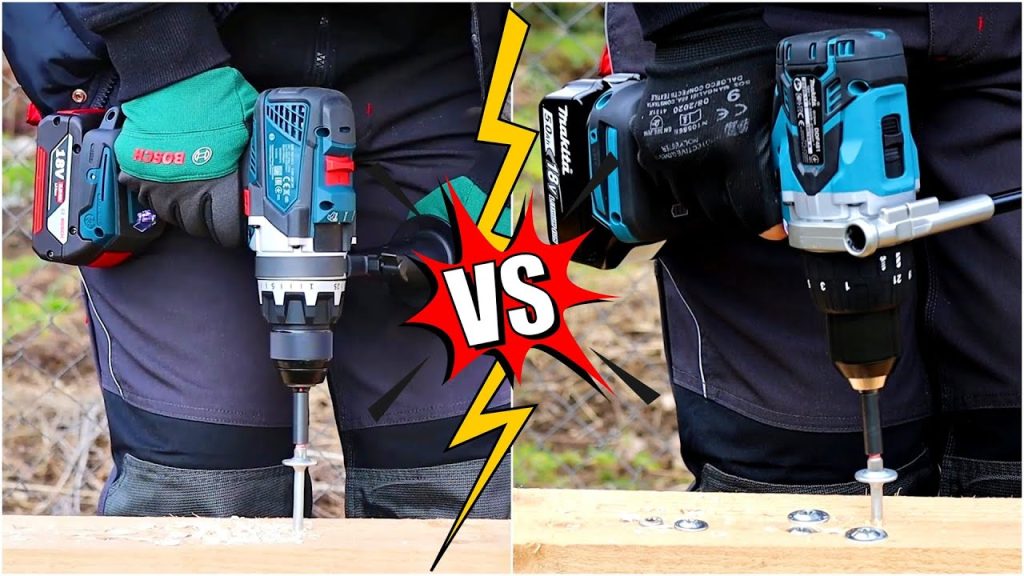
Corded vs cordless power tools is a common decision for Kenyan contractors, workshops, and homeowners choosing between continuous power and job-site flexibility.
Corded tools provide consistent electricity-powered performance, while cordless tools offer mobility, convenience, and independence from power outlets.
The best option depends on the type of work, site conditions, electricity reliability, battery costs, and required productivity.
Power tools are essential for:
- Construction projects
- Interior renovations
- Plumbing installations
- Electrical work
- Metal fabrication
- Carpentry
- Tile installation
- Maintenance jobs
In Kenya, tool selection is affected by:
- Power availability at construction sites
- Distance from electrical connections
- Project duration
- Frequency of tool use
- Cost of replacement batteries
For professional tools, hardware supplies, and construction equipment in Kenya, explore KK Empire Trades Limited:
What are corded power tools?
Corded power tools are electrically powered tools that operate through a direct connection to mains electricity using a cable.
They provide continuous power without battery replacement or charging interruptions.
Corded tools are commonly preferred for heavy-duty applications requiring long operating periods.
Examples include:
- Corded drills
- Angle grinders
- Rotary hammers
- Circular saws
- Demolition tools
Advantages:
- Continuous operation
- Strong power output
- No battery replacement costs
- Suitable for heavy workloads
Limitations:
- Requires electricity access
- Cable management challenges
- Less mobility
What are cordless power tools?
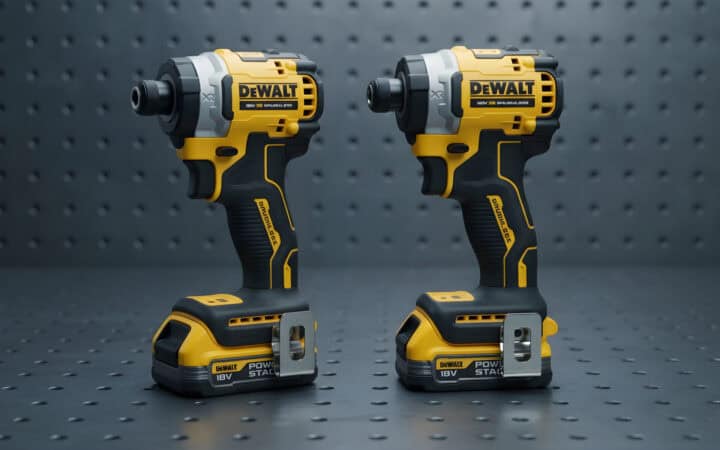
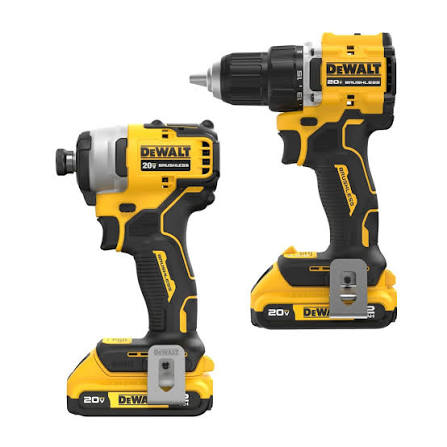
Cordless power tools operate using rechargeable batteries instead of direct electricity connections.
They provide flexibility for construction sites, remote locations, and installation work where mobility is important.
Modern lithium-ion battery systems allow cordless tools to handle many professional applications.
Examples include:
- Cordless drills
- Battery angle grinders
- Impact drivers
- Screwdrivers
- Compact saws
Advantages:
- Easy transportation
- No power cable restrictions
- Faster setup
- Suitable for remote jobs
Limitations:
- Battery replacement costs
- Charging requirements
- Limited runtime depending on battery capacity
Corded vs cordless power tools: Which is better in Kenya?
The better choice between corded and cordless power tools depends on the working environment, power reliability, and project requirements.
Corded tools are often better for heavy workshop tasks, while cordless tools are more practical for mobile construction and installation work.
Many professional Kenyan contractors use both options depending on the application.
Quick Comparison
| Feature | Corded Tools | Cordless Tools |
|---|---|---|
| Power supply | Electricity | Rechargeable battery |
| Mobility | Limited | Excellent |
| Runtime | Unlimited with power | Limited by battery |
| Heavy-duty work | Excellent | Depends on model |
| Remote sites | Less suitable | Excellent |
| Maintenance | Lower battery costs | Battery management required |
Why corded power tools remain popular in Kenyan workshops
Corded power tools remain popular because they deliver consistent performance for demanding workshop and construction applications.
They are ideal where reliable electricity is available and tools are used continuously for long periods.
Fabrication workshops and fixed workstations often benefit from corded equipment.
Best applications:
- Metal cutting
- Grinding
- Concrete drilling
- Workshop fabrication
- Heavy woodworking
Advantages for workshops:
- No downtime for charging
- Higher continuous output
- Lower long-term battery expenses
- Suitable for repeated daily use
Why cordless power tools are growing in Kenya
Cordless power tools are increasingly popular in Kenya because they allow workers to move easily between job locations without depending on electrical outlets.
They are especially useful for renovation projects, installation work, and construction sites where electricity access changes frequently.
Battery technology improvements have made professional cordless tools more practical.
Common uses:
- Installing bathroom fittings
- Fixing cabinets
- Electrical installations
- Plumbing work
- Maintenance projects
Corded vs cordless power tools for construction sites
Construction sites require tools that match changing working conditions, including dust, movement, and inconsistent power availability.
Cordless tools provide convenience, while corded tools remain strong performers for high-demand tasks.
Professional teams often combine both types to maximise productivity.
Construction Application Guide
| Task | Recommended Option |
|---|---|
| Concrete drilling | Corded rotary hammer or high-performance cordless |
| Fixing screws | Cordless impact driver |
| Heavy grinding | Corded angle grinder |
| Cabinet installation | Cordless drill |
| Long cutting sessions | Corded saw |
| Remote repairs | Cordless tools |
Battery costs for cordless power tools in Kenya
Battery cost is one of the most important factors when choosing cordless power tools in Kenya.
A complete cordless system requires batteries, chargers, and compatible tools, which affects the total investment.
Professional users should consider long-term battery availability before buying.
Battery factors:
- Voltage rating
- Amp-hour capacity
- Charging speed
- Battery lifespan
- Replacement availability
Typical considerations:
| Battery Type | Use |
|---|---|
| Compact batteries | Light installation work |
| Medium batteries | General construction |
| High-capacity batteries | Heavy professional use |
Power reliability considerations in Kenya
Power reliability is an important factor when choosing between corded and cordless tools for Kenyan projects.
Areas with unstable electricity supply may benefit from cordless tools for uninterrupted productivity.
Workshops with reliable power connections may achieve better efficiency using corded equipment.
Urban Areas (Nairobi, Kiambu, Thika)
Recommended:
- Combination of corded and cordless tools
- Professional battery platforms
- Backup power planning
Remote Construction Areas
Recommended:
- Cordless tools
- Extra batteries
- Portable charging solutions
Workshops
Recommended:
- Corded heavy-duty equipment
- Dedicated power supply
Corded vs cordless power tools specifications comparison
| Parameter | Corded Tools | Cordless Tools |
|---|---|---|
| Power Source | Mains electricity | Lithium-ion battery |
| Mobility | Limited | High |
| Runtime | Continuous | Battery dependent |
| Maintenance | Lower | Battery care required |
| Best Use | Heavy-duty tasks | Mobile applications |
| Initial Cost | Often lower | Higher due to batteries |
Which power tools should be cordless?
Cordless tools are best suited for applications where mobility, speed, and convenience are important.
They are commonly used for installation and finishing tasks where workers frequently move around a project site.
The correct tool depends on workload and required operating time.
Recommended cordless tools:
- Drill drivers
- Impact drivers
- Screwdrivers
- Compact grinders
- Small saws
Which power tools should remain corded?
Corded tools are often preferred for applications requiring maximum power and continuous operation.
Heavy-duty cutting, grinding, and demolition tasks usually benefit from direct electrical power.
Professional workshops often rely on corded tools for consistent output.
Recommended corded tools:
- Rotary hammers
- Large angle grinders
- Demolition hammers
- Bench equipment
- Heavy cutting machines
Kenyan climate and site conditions affecting power tools
Kenyan environmental conditions such as dust, heat, and humidity affect power tool performance and maintenance requirements.
Proper tool selection, storage, and cleaning improve reliability in different regions.
Professional users should consider local site conditions before purchasing.
Coastal Kenya (Mombasa, Malindi)
Recommended:
- Proper storage against humidity
- Regular cleaning
- Quality electrical protection
Nairobi and Central Kenya
Recommended:
- Dust-resistant tools
- Reliable batteries
- Professional-grade equipment
Construction Sites
Recommended:
- Protective cases
- Correct accessories
- Regular maintenance
Common mistakes when buying power tools
Many buyers focus only on purchase price and ignore battery costs, workload, and tool compatibility.
Choosing the wrong power system can increase expenses and reduce productivity.
A tool should be selected based on actual job requirements.
Avoid:
- Buying cheap tools for professional use
- Ignoring battery replacement costs
- Using incorrect accessories
- Choosing unsuitable power ratings
- Failing to maintain tools
FAQ: Corded vs Cordless Power Tools Kenya
1. Are cordless power tools better than corded tools?
Cordless tools are better for mobility, while corded tools are better for continuous heavy-duty applications.
2. Are cordless tools expensive in Kenya?
The initial cost may be higher because batteries and chargers are required, but they provide greater flexibility.
3. Which tools are best for construction sites?
A combination of cordless installation tools and corded heavy-duty tools usually provides the best results.
4. Do cordless batteries last long?
Battery lifespan depends on quality, usage, charging practices, and maintenance.
5. Are corded tools more powerful?
Many corded tools provide strong continuous power, especially for heavy applications.
6. Can cordless tools replace all corded tools?
Not always. Heavy industrial tasks may still require corded equipment.
Final Buying Advice: Corded vs Cordless Power Tools in Kenya
Choosing between corded vs cordless power tools depends on your project type, site conditions, power availability, and long-term operating costs.
Corded tools remain ideal for heavy-duty workshop tasks, while cordless tools provide unmatched convenience for mobile construction work.
For most Kenyan contractors, combining both systems creates the most efficient and practical tool setup.
Contact KK Empire Trades Limited
info@kketrades.com
Call/WhatsApp: +254 718 990 010
Website: https://kkempiretradesslimited.com/
Delivery Availability:
Fast delivery within Nairobi and across Kenya including Kiambu, Nakuru, Kisumu, Eldoret, Mombasa, Thika, Kitengela, Machakos, and surrounding regions.