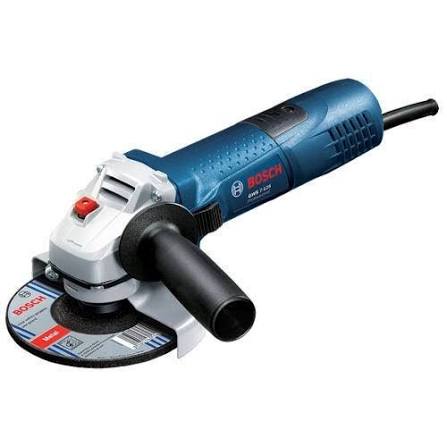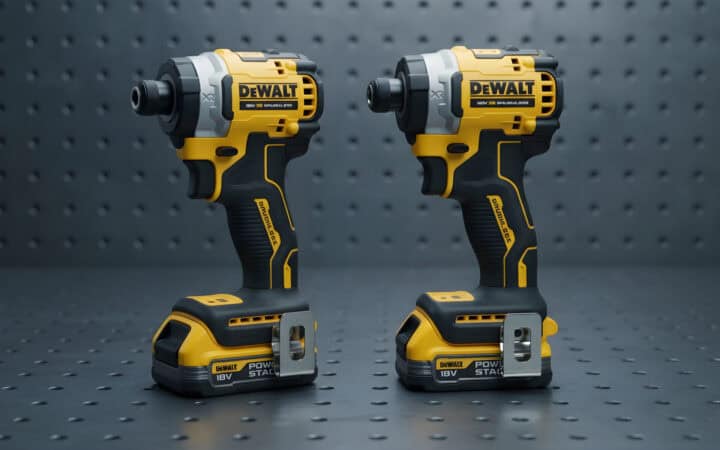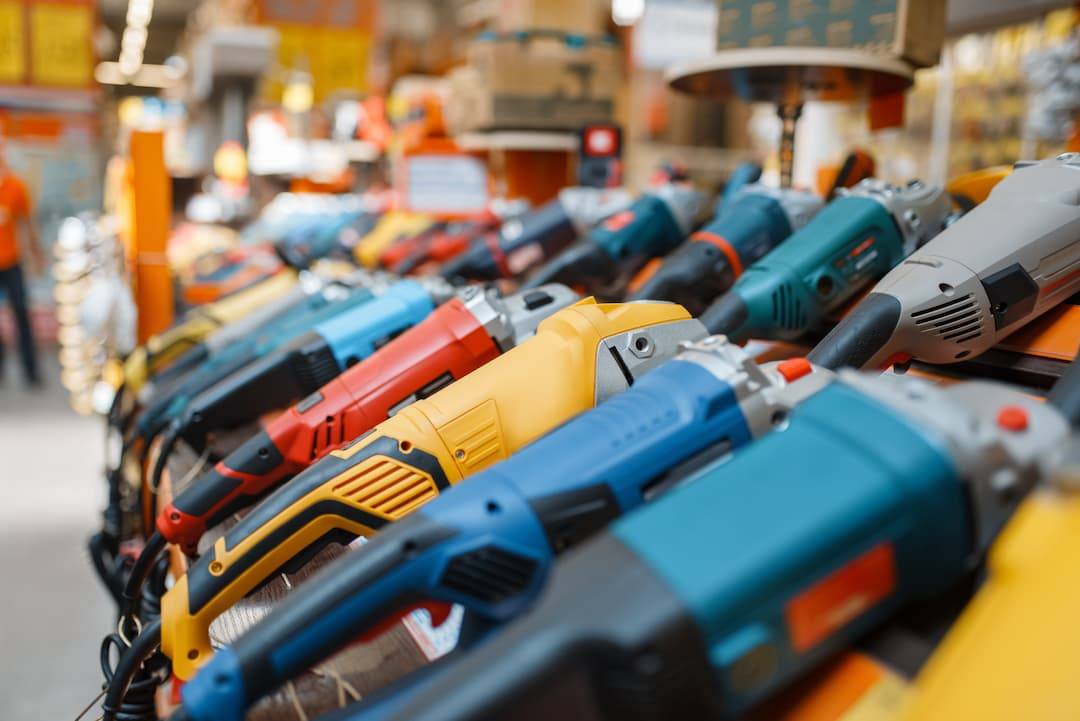
Power tool maintenance is essential for contractors, workshops, and homeowners who want reliable performance and longer equipment life in Kenyan conditions.
Regular cleaning, correct storage, inspection, and servicing protect tools from dust, humidity, heat, and heavy daily use.
Proper maintenance reduces breakdowns, improves safety, and helps professionals avoid unnecessary replacement costs.
Power tools are a major investment for:
- Construction contractors
- Electricians
- Plumbers
- Fabricators
- Carpenters
- Renovation specialists
- Maintenance teams
Kenyan working environments can be challenging for power equipment because tools are often exposed to:
- Cement dust
- Sand particles
- Metal filings
- High temperatures
- Coastal humidity
- Rainy-season moisture
- Frequent transportation between sites
Without proper care, even quality tools from brands such as Bosch and Makita can experience reduced performance.
For professional power tools, accessories, and construction supplies in Kenya, explore KK Empire Trades Limited:
Why Is Power Tool Maintenance Important?
Power tool maintenance protects equipment performance, improves safety, and extends the working lifespan of expensive tools.
Regular servicing helps identify small problems before they become major failures.
For contractors, proper maintenance reduces downtime and improves project productivity.
Benefits include:
- Longer tool lifespan
- Better performance
- Reduced repair costs
- Improved worker safety
- Lower replacement frequency
- More reliable project timelines
A poorly maintained tool may suffer from:
- Reduced power output
- Overheating
- Battery problems
- Motor damage
- Excessive vibration
- Premature component failure
How Kenyan Conditions Affect Power Tools
Kenyan construction environments expose power tools to conditions that can accelerate wear and damage.
Dust, humidity, heat, and improper storage are among the biggest causes of tool performance problems.
Maintenance routines should match the environment where tools are used.
Common Environmental Challenges
| Condition | Effect on Tools |
|---|---|
| Cement dust | Blocks ventilation and damages moving parts |
| Sand particles | Causes wear in motors and switches |
| Humidity | Can affect electrical components |
| Heat | Reduces battery performance |
| Moisture | Creates corrosion risks |
Power Tool Maintenance for Dusty Construction Sites
Dust control is one of the most important parts of power tool maintenance because fine particles can enter motors, switches, and ventilation systems.
Construction tools used around cement, concrete, and masonry require frequent cleaning to maintain airflow and performance.
Ignoring dust buildup can shorten tool lifespan.
Recommended practices:
- Clean tools after every workday
- Remove dust from ventilation openings
- Use compressed air where suitable
- Keep tools inside protective cases
- Avoid placing tools directly on dusty surfaces
Common tools affected by dust:
- Angle grinders
- Rotary hammers
- Drills
- Circular saws
- Sanders
Power Tool Maintenance in Coastal Kenya
Power tools used in coastal regions such as Mombasa and Malindi require additional protection because humidity can accelerate corrosion and electrical issues.
Proper storage and regular inspection help protect metal parts, batteries, and electrical connections.
Keeping tools dry is essential for reliable operation.
Coastal maintenance tips:
- Store tools in dry areas
- Use protective cases
- Wipe metal surfaces regularly
- Check for rust
- Avoid leaving tools exposed overnight
Humidity-sensitive components include:
- Metal chucks
- Drill bits
- Battery contacts
- Fasteners
- Electrical connections
Power Tool Storage Best Practices
Proper storage is a simple but effective part of power tool maintenance because it prevents damage when equipment is not being used.
Tools should be stored away from moisture, dust, and extreme temperatures.
A good storage system also improves job-site organisation.
Recommended storage:
- Toolboxes
- Carrying cases
- Shelving systems
- Dry cabinets
- Organised charging stations
Avoid:
- Leaving tools outdoors
- Storing batteries in direct sunlight
- Keeping tools on wet floors
- Mixing clean tools with dusty equipment
Battery Maintenance for Cordless Power Tools
Battery maintenance is critical for cordless tools because battery condition directly affects runtime, power output, and operating costs.
Correct charging and storage practices help extend lithium-ion battery lifespan.
Contractors using cordless platforms should manage batteries carefully.
Battery care tips:
- Use compatible chargers
- Avoid extreme temperatures
- Store batteries in dry conditions
- Keep battery contacts clean
- Rotate batteries during heavy use
Common battery problems:
| Problem | Possible Cause |
|---|---|
| Short runtime | Battery ageing |
| Slow charging | Charger or battery issue |
| Reduced power | Low battery health |
| Poor connection | Dirty contacts |
Cleaning Power Tools After Daily Use
Daily cleaning is one of the easiest ways to improve power tool performance and prevent early failures.
A short cleaning routine after work reduces dust buildup and keeps moving parts functioning correctly.
Professional teams should include cleaning as part of their end-of-day procedure.
Daily cleaning checklist:
- Disconnect power or remove battery
- Remove visible dust and debris
- Check ventilation openings
- Inspect switches and cables
- Store correctly
Checking Carbon Brushes and Motor Components
Many corded power tools use carbon brushes that wear over time and require inspection or replacement.
Replacing worn components helps maintain motor efficiency and prevents unexpected breakdowns.
Regular inspection is especially important for tools used daily.
Tools commonly requiring brush checks:
- Drills
- Angle grinders
- Cut-off machines
- Sanders
Signs of worn brushes:
- Reduced power
- Intermittent operation
- Excessive sparking
- Unusual motor behaviour
Power Tool Maintenance Schedule
A maintenance schedule helps contractors manage tool condition instead of waiting for failures.
Different tools require different inspection frequencies depending on workload and operating conditions.
Heavy-use tools require more frequent checks than occasional-use equipment.
| Frequency | Maintenance Task |
|---|---|
| Daily | Clean dust and inspect condition |
| Weekly | Check accessories and moving parts |
| Monthly | Inspect batteries, cables and switches |
| Periodically | Professional servicing |
Power Tool Maintenance for Different Trades
Different trades place different demands on power tools, so maintenance routines should match the application.
A carpenter, electrician, and construction contractor may experience different tool wear patterns.
Understanding usage helps improve maintenance planning.
Electricians
Focus on:
- Cable condition
- Battery health
- Drill cleanliness
Plumbers
Focus on:
- Moisture protection
- Drill chuck condition
- Cutting accessories
Builders
Focus on:
- Dust removal
- Motor ventilation
- Heavy-use inspection
Fabricators
Focus on:
- Grinding dust removal
- Disc inspection
- Electrical safety
Power Tool Maintenance Specifications Checklist
| Maintenance Area | Recommended Action |
|---|---|
| Cleaning | Remove dust after use |
| Storage | Keep tools dry and protected |
| Batteries | Use correct chargers |
| Accessories | Replace worn bits and blades |
| Motors | Inspect ventilation and brushes |
| Electrical Parts | Check cables and switches |
Common Power Tool Maintenance Mistakes
Many tool failures happen because users ignore basic maintenance practices.
Simple mistakes such as poor storage, incorrect charging, and delayed repairs can reduce tool lifespan.
A preventive maintenance approach saves money over time.
Avoid:
- Using damaged accessories
- Ignoring unusual noises
- Storing wet tools
- Overloading machines
- Using incorrect batteries
- Skipping cleaning
When Should You Service a Power Tool?
Power tools should be serviced when performance changes, unusual sounds appear, or components show visible wear.
Early servicing prevents minor issues from becoming expensive repairs.
Professional users should maintain service records for frequently used equipment.
Signs requiring attention:
- Reduced performance
- Excessive vibration
- Overheating
- Burning smell
- Electrical faults
- Battery problems
FAQ: Power Tool Maintenance Kenya
1. How often should power tools be maintained?
Daily cleaning and regular inspections are recommended, especially for tools used on construction sites.
2. How does dust damage power tools?
Dust can block ventilation, affect moving parts, and reduce motor performance over time.
3. How should cordless tool batteries be stored?
Store batteries in dry conditions away from extreme heat and moisture.
4. Are power tools affected by coastal humidity?
Yes. Humidity can increase corrosion risks and affect electrical components if tools are not protected.
5. Can regular maintenance extend tool lifespan?
Yes. Proper cleaning, storage, and servicing can significantly improve tool reliability.
6. When should I replace power tool accessories?
Replace worn drill bits, blades, discs, and other accessories when performance decreases or damage appears.
Final Advice: Extending Power Tool Life in Kenya
Power tool maintenance is a practical investment that protects equipment performance in Kenya’s demanding working conditions.
Cleaning, correct storage, battery care, and regular servicing help contractors get maximum value from their tools.
A well-maintained power tool works more efficiently, lasts longer, and reduces costly project delays.
Contact KK Empire Trades Limited
info@kketrades.com
Call/WhatsApp: +254 718 990 010
Website: https://kkempiretradesslimited.com/
Delivery Availability:
Fast delivery within Nairobi and across Kenya including Kiambu, Nakuru, Kisumu, Eldoret, Mombasa, Thika, Kitengela, Machakos, and surrounding regions.

SEO Twin
SEO Twin writes for the KK Empire Tradess Knowledge Base — practical guides for Kenyan homes and contractors.