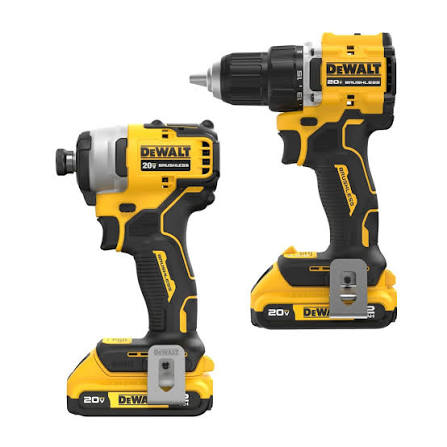
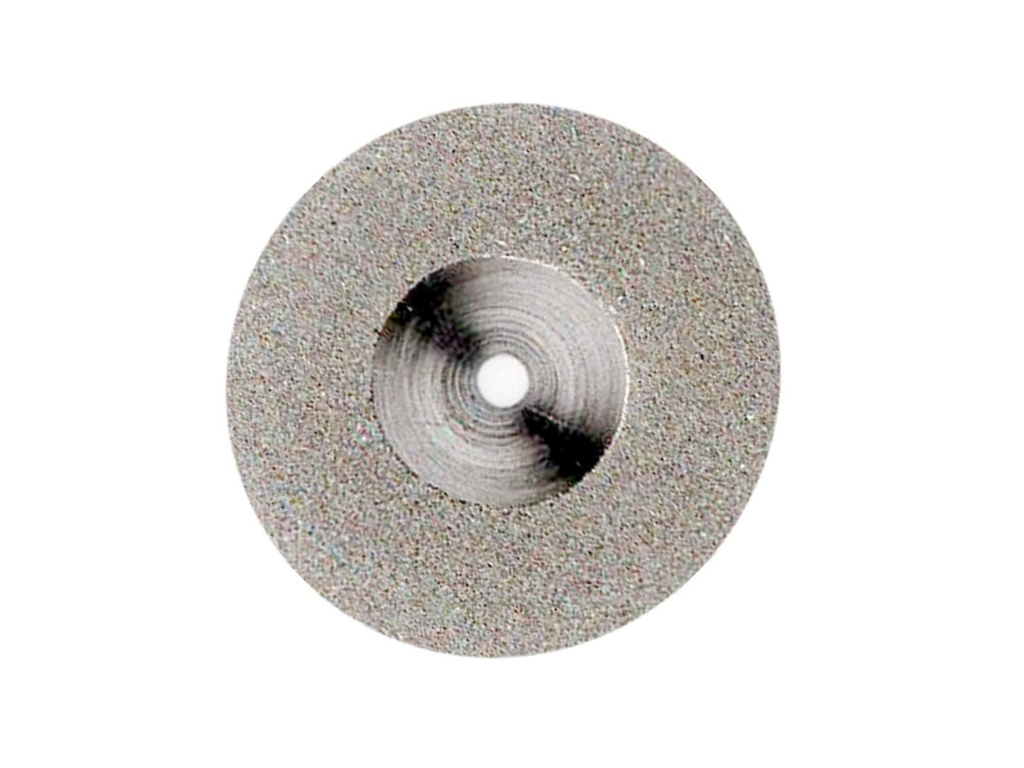
Angle grinder safety is essential for contractors, fabricators, and workshop users because incorrect disc selection, poor handling, and missing protective equipment can create serious risks.
Safe angle grinder operation requires the correct disc type, matching RPM rating, proper guard installation, and suitable personal protective equipment (PPE).
Following professional safety practices helps Kenyan workers improve productivity while reducing avoidable tool-related accidents.
Angle grinders are among the most useful power tools in construction and fabrication because they can perform multiple tasks, including:
- Cutting metal
- Grinding welds
- Removing rust
- Cutting masonry
- Surface preparation
- Sharpening and finishing work
However, an angle grinder operates at very high rotational speeds, meaning incorrect use can damage materials, tools, and create safety hazards.
For professional power tools and workshop equipment in Kenya, explore KK Empire Trades Limited:
Why Is Angle Grinder Safety Important?
Angle grinder safety is important because grinders operate at high speeds and require correct handling to control cutting and grinding forces.
Most grinder-related problems happen because of incorrect discs, missing guards, poor maintenance, or inadequate PPE.
Safe operation protects workers, improves tool performance, and extends equipment life.
Common causes of unsafe grinder use include:
- Using the wrong disc
- Removing the safety guard
- Exceeding disc speed ratings
- Operating damaged discs
- Working without eye protection
- Poor handling technique
Understanding Angle Grinder Disc Types
Choosing the correct angle grinder disc is one of the most important safety decisions because each disc is designed for specific materials and applications.
Using the wrong disc can cause poor cutting performance, premature wear, or dangerous failure.
Always match the disc type with the material being worked on.
Common disc types include:
| Disc Type | Main Application |
|---|---|
| Cutting disc | Cutting metal and some masonry materials |
| Grinding disc | Removing material and smoothing surfaces |
| Flap disc | Finishing and polishing surfaces |
| Diamond blade | Cutting concrete, tiles, and masonry |
| Wire wheel | Removing rust and paint |
Match Disc RPM With Your Angle Grinder
Disc speed compatibility is a critical part of angle grinder safety because discs are designed to operate within specific maximum RPM limits.
Using a disc rated below the grinder speed can create serious safety risks.
Always check the disc marking before installation.
Before using a disc, confirm:
- Disc maximum RPM rating
- Grinder speed rating
- Disc diameter compatibility
- Correct mounting size
Example:
A grinder designed for a 12,000 RPM disc should only use discs rated for equal or higher speeds.
Why Should You Never Remove the Angle Grinder Guard?
The angle grinder guard is a safety component designed to protect users from sparks, debris, and accidental disc failure.
Removing the guard increases exposure to hazards and reduces protection during cutting or grinding operations.
Professional users should always operate grinders with the correct guard installed.
The guard helps protect against:
- Flying particles
- Broken disc fragments
- Accidental contact
- Direction of sparks
Never modify or remove factory safety features.
Essential PPE for Angle Grinder Safety
Personal protective equipment is a key part of angle grinder safety because grinding and cutting create sparks, dust, and flying particles.
Proper PPE reduces exposure risks and should be used every time the grinder is operated.
Workshop safety standards require workers to protect their eyes, hands, hearing, and body.
Recommended PPE:
| PPE | Purpose |
|---|---|
| Safety goggles | Protect eyes from particles |
| Face shield | Additional facial protection |
| Gloves | Protect hands |
| Safety boots | Protect feet |
| Hearing protection | Reduce noise exposure |
| Dust mask/respirator | Reduce dust inhalation |
Common Angle Grinder Mistakes to Avoid
Many angle grinder accidents happen because users develop unsafe habits or ignore basic operating rules.
Avoiding common mistakes improves safety and helps tools perform correctly.
Proper training is important for anyone using grinders regularly.
Avoid:
- Using damaged discs
- Cutting without a guard
- Applying excessive pressure
- Using worn accessories
- Holding materials incorrectly
- Operating without PPE
- Using the wrong disc for the material
Safe Angle Grinder Operation Steps
Safe angle grinder operation involves preparing the tool, checking accessories, securing the material, and using controlled movements.
Following a consistent process reduces mistakes and improves cutting accuracy.
Professional workshops should train workers on correct grinder procedures.
Step-by-step safety process:
1. Inspect the Grinder
Check:
- Power cable condition
- Battery condition (for cordless models)
- Guard position
- Disc condition
2. Select the Correct Disc
Confirm:
- Material compatibility
- Size
- RPM rating
3. Secure the Workpiece
Ensure:
- Material cannot move
- Cutting area is clear
- Proper support is available
4. Operate Correctly
Maintain:
- Firm grip
- Stable position
- Controlled pressure
Angle Grinder Safety for Kenyan Workshops
Kenyan workshops often face dusty environments, heavy workloads, and mixed material applications, making proper grinder safety practices essential.
Fabricators, contractors, and artisans should adapt safety procedures to their working conditions.
Regular inspection and maintenance improve reliability.
Metal Fabrication Workshops
Focus on:
- Correct cutting discs
- Spark control
- Eye protection
Construction Sites
Focus on:
- Dust management
- Safe work zones
- PPE compliance
Coastal Areas
Focus on:
- Tool storage
- Corrosion prevention
- Electrical protection
Corded vs Cordless Angle Grinder Safety
Both corded and cordless angle grinders require safe operating practices, but each has different considerations.
Cordless models provide mobility, while corded grinders require careful cable management.
The correct choice depends on the work environment.
| Type | Safety Consideration |
|---|---|
| Corded grinder | Protect cables from damage |
| Cordless grinder | Maintain battery condition |
| Both | Use correct discs and PPE |
Bosch and Makita Angle Grinder Safety Considerations
Professional angle grinders from brands such as Bosch and Makita include safety features designed for demanding applications.
However, even high-quality tools require correct operation, maintenance, and accessory selection.
The operator remains the most important part of workplace safety.
Important considerations:
- Correct disc installation
- Guard use
- Tool inspection
- Proper accessories
- Regular maintenance
Angle Grinder Maintenance for Safer Operation
Regular angle grinder maintenance supports safer operation by keeping components working correctly.
A poorly maintained grinder may develop performance issues that affect control and reliability.
Maintenance should be part of every workshop routine.
Maintenance checklist:
| Component | Check |
|---|---|
| Disc | Damage and wear |
| Guard | Correct position |
| Cable | Cuts and damage |
| Switch | Proper operation |
| Ventilation | Dust blockage |
Angle Grinder Safety Specifications Checklist
| Safety Area | Requirement |
|---|---|
| Disc | Correct type and RPM rating |
| Guard | Installed correctly |
| PPE | Eye, hand and hearing protection |
| Tool Condition | No damage or faults |
| Work Area | Clean and controlled |
| Training | User understands operation |
FAQ: Angle Grinder Safety Kenya
1. What is the most important angle grinder safety rule?
Using the correct disc with the correct RPM rating and keeping the safety guard installed are among the most important rules.
2. Can I use any disc on an angle grinder?
No. Discs must match the grinder size, speed rating, and material application.
3. Why do angle grinder discs break?
Disc failure can happen due to damage, incorrect installation, excessive pressure, or using an incompatible disc.
4. Should I wear safety glasses when grinding?
Yes. Eye protection is essential because grinding creates sparks and flying particles.
5. Can I remove the grinder guard for easier cutting?
No. The guard is a safety feature and should remain installed during operation.
6. Which angle grinder brands are suitable for professionals?
Professional brands such as Bosch and Makita offer grinders designed for construction and workshop applications.
Final Advice: Safe Angle Grinder Use in Kenya
Angle grinder safety depends on using the correct discs, keeping guards installed, wearing proper PPE, and following safe operating procedures.
For Kenyan contractors and workshops, good safety practices protect workers, improve productivity, and extend tool lifespan.
A quality grinder combined with correct accessories and responsible operation delivers safer and better results.
Contact KK Empire Trades Limited
info@kketrades.com
Call/WhatsApp: +254 718 990 010
Website: https://kkempiretradesslimited.com/
Delivery Availability:
Fast delivery within Nairobi and across Kenya including Kiambu, Nakuru, Kisumu, Eldoret, Mombasa, Thika, Kitengela, Machakos, and surrounding regions.

SEO Twin
SEO Twin writes for the KK Empire Tradess Knowledge Base — practical guides for Kenyan homes and contractors.