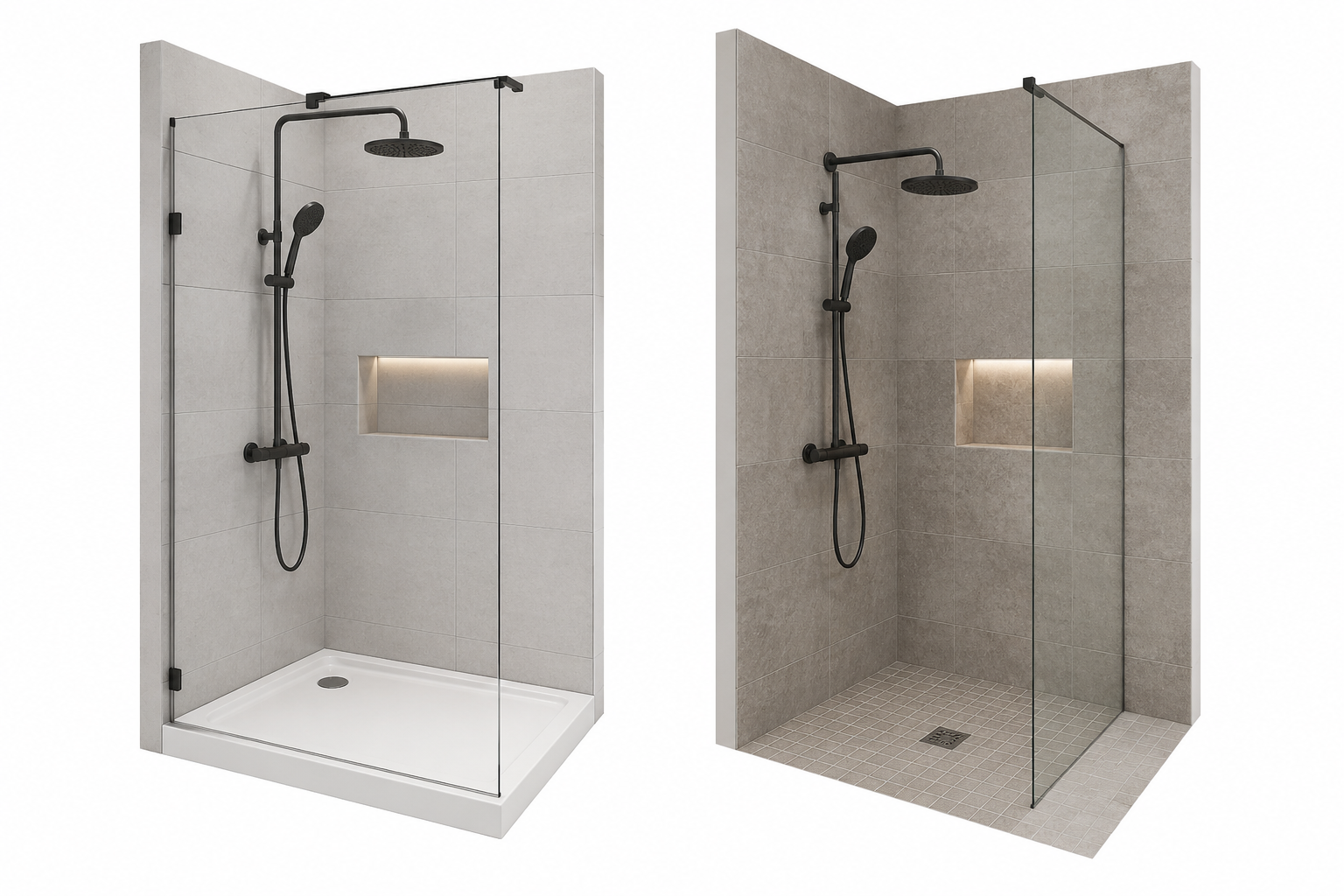
Choosing the right shower floor solution is an important decision during a bathroom renovation. The choice between shower tray vs tiled shower affects installation cost, waterproofing performance, cleaning requirements, appearance, and long-term maintenance.
A modern bathroom needs more than attractive finishes. The shower area must handle constant water exposure while preventing leaks that can damage floors, walls, and nearby rooms. Comparing shower tray vs tiled shower options helps homeowners, contractors, and developers select a solution that matches their budget and project requirements.
In Kenya, bathroom designs vary depending on property type and location. Nairobi apartments often require space-efficient and easy-to-maintain shower solutions, while coastal homes in Mombasa and Malindi need materials and installation methods that perform well in humid conditions. For commercial properties such as hotels and apartments, durability and maintenance costs are major considerations.
At KK Empire Trades Limited, we provide bathroom renovation solutions including shower systems, sanitaryware, tiles, and accessories for residential and commercial projects across Kenya. Explore available products through the KK Empire Trades Limited Shop or learn more about our company through the About Us page.
Shower Tray vs Tiled Shower: Understanding the Key Differences
The main difference between shower tray vs tiled shower systems is the construction method. Shower trays use a ready-made waterproof base, while tiled showers rely on waterproof membranes, sloped surfaces, and tiles installed on-site.
When comparing shower tray vs tiled shower, the biggest difference is how water drainage and waterproofing are achieved.
A shower tray is a manufactured base usually made from:
- Acrylic
- Stone resin
- Fibreglass
- Solid surface materials
It is designed with a built-in slope that directs water toward the drain.
A tiled shower floor uses:
- Waterproof membrane
- Screed or cement base
- Shower drain
- Tiles
- Grout
The waterproofing layer beneath the tiles is responsible for preventing leaks.
Shower Tray vs Tiled Shower Comparison Table
| Feature | Shower Tray | Tiled Shower |
|---|---|---|
| Installation Time | Faster installation | Longer installation |
| Waterproofing | Built into tray system | Requires membrane installation |
| Design Options | Limited shapes and sizes | Wide design flexibility |
| Maintenance | Easier cleaning | Requires grout maintenance |
| Repair Complexity | Easier replacement | More complex repairs |
| Cost | Usually lower upfront | Can cost more depending on finishes |
The best choice depends on the bathroom design, available space, installation quality, and expected usage.
For homeowners planning a complete renovation, explore our bathroom fittings and renovation products to find suitable solutions for your project.
Shower Tray vs Tiled Shower: Which Costs Less in Kenya?
A shower tray is usually more affordable upfront because it requires fewer installation steps. A tiled shower may have higher initial costs but offers greater design flexibility and can increase the visual appeal of a premium bathroom.
The cost difference in shower tray vs tiled shower projects depends on several factors, including materials, labour, waterproofing requirements, and bathroom size.
Shower Tray Costs
A shower tray installation generally includes:
- Shower tray purchase
- Drain connection
- Installation labour
- Shower enclosure fitting
Advantages include:
- Reduced labour time
- Lower waterproofing complexity
- Predictable installation costs
Tiled Shower Costs
A tiled shower requires additional work:
- Floor preparation
- Waterproof membrane installation
- Drainage slope creation
- Tile installation
- Grouting
- Sealing
Costs can increase depending on:
- Tile selection
- Pattern complexity
- Tile size
- Labour expertise
- Drainage design
For Kenyan homeowners, porcelain tiles are often preferred for shower floors because they offer low water absorption and good resistance to moisture when installed correctly.
You can also explore suitable bathroom finishes through our modern bathroom design ideas in Kenya guide.
Shower Tray vs Tiled Shower: Leak Risk Explained
Both shower tray vs tiled shower systems can prevent leaks when installed correctly. However, tiled showers require more attention to waterproofing details because failures in membranes, grout joints, or drainage slopes can allow water penetration.
Water leakage is one of the biggest concerns during bathroom construction. A poorly installed shower can cause:
- Damp walls
- Mould growth
- Damaged flooring
- Unpleasant odours
- Expensive repairs
Waterproofing in Shower Trays
A quality shower tray provides a factory-made waterproof surface. The main installation focus is:
- Correct positioning
- Proper drain connection
- Sealed joints
- Stable support underneath
This makes shower trays popular for homeowners who want a quicker installation process.
Waterproofing in Tiled Showers
A tiled shower depends heavily on professional installation.
Important steps include:
- Applying waterproof membrane correctly
- Creating the correct floor slope
- Sealing corners and joints
- Using suitable grout and sealants
In humid areas such as Mombasa and Malindi, proper waterproofing is especially important because high moisture levels can accelerate mould problems if water enters wall structures.
Shower Tray vs Tiled Shower: Installation Requirements
Shower tray installations are generally quicker, while tiled showers require more preparation, waterproofing, and skilled workmanship. The correct installation method determines long-term performance.
When comparing shower tray vs tiled shower, installation requirements should be considered before making a purchase decision.
Shower Tray Installation Requires:
- Level flooring
- Correct waste positioning
- Secure tray support
- Proper sealing around edges
Tiled Shower Installation Requires:
- Waterproof substrate
- Correct drainage slope
- Professional tiling
- Quality grout application
- Waterproof joints
Contractors working on Kenyan residential and commercial projects should always consider building standards, water management, and expected usage before selecting a shower system.


