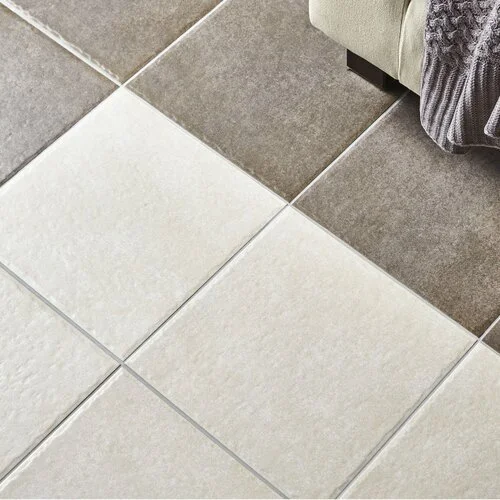
Porcelain vs ceramic tiles is a common comparison for Kenyan homeowners, contractors, and developers choosing flooring and wall finishes.
Porcelain tiles are denser, absorb less water, and suit heavy-use or moisture-prone areas, while ceramic tiles are affordable and practical for many indoor applications.
The best choice depends on room location, traffic levels, moisture exposure, design needs, and project budget.
Tiles are among the most popular finishing materials in Kenya because they provide:
- Long service life
- Easy cleaning
- Modern appearance
- Resistance to moisture
- Improved property value
They are widely used in:
- Residential homes
- Apartments
- Hotels
- Offices
- Retail spaces
- Commercial developments
For premium tiles, bathroom solutions, and renovation supplies in Kenya, explore KK Empire Trades Limited:
What Is the Difference Between Porcelain and Ceramic Tiles?
The main difference between porcelain and ceramic tiles is density, water absorption, and manufacturing process.
Porcelain tiles are made from refined clay fired at higher temperatures, creating a denser and stronger tile compared to standard ceramic tiles.
Ceramic tiles are versatile, affordable, and commonly used for interior walls and lighter-use floors.
Both tiles are made from clay-based materials, but their performance differs.
| Feature | Porcelain Tiles | Ceramic Tiles |
|---|---|---|
| Material density | Higher density | Lower density |
| Water absorption | Very low | Higher |
| Strength | Higher | Moderate |
| Price | Usually higher | More affordable |
| Best use | Floors, outdoor, heavy traffic | Walls and light floors |
Porcelain Tiles Explained
Porcelain tiles are premium ceramic tiles manufactured using refined materials and higher firing temperatures for increased strength and moisture resistance.
Their low water absorption makes them suitable for bathrooms, kitchens, outdoor areas, and commercial spaces.
Porcelain is preferred where durability and long-term performance are priorities.
Key characteristics:
- Dense body structure
- Low water absorption
- High wear resistance
- Suitable for high-traffic areas
- Available in polished and matte finishes
Common applications:
- Living room floors
- Hotel flooring
- Bathroom floors
- Outdoor paving
- Commercial spaces
Ceramic Tiles Explained
Ceramic tiles are practical and cost-effective finishing materials commonly used for interior walls and residential flooring.
They offer many design options while providing good performance for areas with moderate usage.
Ceramic tiles are often selected when affordability and appearance are major considerations.
Common applications:
- Bathroom walls
- Kitchen backsplashes
- Bedroom floors
- Interior decorative areas
Advantages:
- Lower purchase cost
- Wide design selection
- Easier cutting during installation
- Suitable for many indoor projects
Porcelain vs Ceramic Tiles: Water Absorption Comparison
Water absorption is one of the most important differences between porcelain and ceramic tiles because it affects moisture resistance and suitable applications.
Porcelain tiles absorb significantly less water, making them better for wet areas such as bathrooms and outdoor installations.
Ceramic tiles perform well in dry indoor environments where moisture exposure is limited.
| Tile Type | Water Absorption | Recommended Areas |
|---|---|---|
| Porcelain | Low absorption | Bathrooms, kitchens, outdoor areas |
| Ceramic | Higher absorption | Walls, bedrooms, indoor spaces |
For Kenyan conditions:
Coastal Regions (Mombasa and Malindi)
Porcelain is often preferred because:
- High humidity requires moisture resistance
- Bathrooms need better water protection
- Outdoor surfaces face weather exposure
Nairobi and Central Kenya
Both options can work depending on:
- Room location
- Traffic levels
- Maintenance expectations
Porcelain vs Ceramic Tiles: Strength and Durability
Porcelain tiles generally offer higher strength because their dense structure provides better resistance against impact and wear.
Ceramic tiles are durable for suitable applications but may not perform as well in heavy-use environments.
Choosing the right tile prevents premature replacement costs.
Porcelain is recommended for:
- Commercial floors
- Hallways
- Entry areas
- Large family homes
Ceramic works well for:
- Bathroom walls
- Decorative features
- Low-traffic rooms
Porcelain vs Ceramic Tiles: Which Is Better for Bathrooms?
Porcelain tiles are usually the better choice for bathroom floors because they resist moisture and provide better long-term performance.
Ceramic tiles remain popular for bathroom walls because they offer affordable style options and easier installation.
The best bathroom design often combines both tile types.
Recommended combination:
| Bathroom Area | Recommended Tile |
|---|---|
| Shower floor | Porcelain |
| Bathroom floor | Porcelain |
| Bathroom walls | Ceramic or porcelain |
| Decorative wall sections | Ceramic |
Important bathroom considerations:
- Slip resistance
- Water absorption
- Grout quality
- Proper waterproofing
Porcelain vs Ceramic Tiles for Kitchens
Both porcelain and ceramic tiles can work in Kenyan kitchens depending on where they are installed.
Porcelain is ideal for kitchen floors because it handles spills, traffic, and cleaning better, while ceramic is suitable for splashbacks.
The final choice should consider durability and design requirements.
Kitchen recommendations:
Floor
Choose:
- Porcelain
- Matte finish
- Slip-resistant surface
Wall Splashback
Choose:
- Ceramic
- Decorative patterns
- Easy-clean finishes
Porcelain vs Ceramic Tiles: Price Comparison in Kenya
Ceramic tiles are generally more affordable than porcelain tiles because porcelain requires advanced manufacturing processes and denser materials.
However, porcelain may provide better long-term value in high-use areas because of its durability and moisture resistance.
The cheapest tile is not always the most economical choice over the lifespan of a building.
Cost factors include:
- Tile size
- Brand
- Finish
- Thickness
- Design
- Installation requirements
Tile Specifications Comparison Table
| Parameter | Porcelain Tiles | Ceramic Tiles |
|---|---|---|
| Material | Dense refined clay | Standard clay mixture |
| Water absorption | Very low | Moderate |
| Strength | High | Medium |
| Finish options | Matte, polished, textured | Gloss, matte, decorative |
| Heavy traffic use | Excellent | Limited |
| Bathroom floors | Recommended | Select applications |
| Outdoor use | Suitable options available | Generally limited |
| Maintenance | Easy cleaning | Easy cleaning |
Choosing Tile Size for Kenyan Homes
Tile size affects room appearance, installation requirements, and overall design results.
Large-format porcelain tiles create a modern seamless look, while smaller ceramic tiles offer flexibility for detailed designs.
The correct size depends on room dimensions and installation conditions.
Popular sizes include:
- 300×300mm
- 400×400mm
- 600×600mm
- 600×1200mm
Large tiles are popular for:
- Modern living rooms
- Apartments
- Commercial spaces
Installation Differences Between Porcelain and Ceramic Tiles
Porcelain tiles require experienced installation because their density makes cutting and handling more demanding.
Ceramic tiles are easier to cut but still require proper adhesive selection and preparation.
Correct installation affects tile lifespan and appearance.
Important installation factors:
- Suitable tile adhesive
- Proper surface preparation
- Correct grout spacing
- Level installation
- Expansion considerations
For contractors, using the correct adhesive is essential, especially for large-format porcelain tiles.
Kenyan Climate Considerations When Choosing Tiles
Kenya’s different climates influence tile selection because moisture, heat, and outdoor exposure affect tile performance.
Porcelain tiles are often preferred in demanding environments because of their lower absorption and stronger structure.
Local conditions should guide material selection.
Coastal Kenya
Consider:
- Moisture resistance
- Anti-slip finishes
- Mold-resistant surfaces
Nairobi and Central Kenya
Consider:
- Indoor comfort
- Easy maintenance
- Scratch resistance
Rift Valley and Outdoor Areas
Consider:
- Temperature changes
- Durable surfaces
- Expansion management
Common Mistakes When Buying Tiles
Many tile problems occur because buyers select products based only on appearance instead of performance requirements.
Understanding tile specifications helps homeowners and contractors make better decisions.
The correct tile should match the environment where it will be installed.
Avoid:
- Using glossy tiles in slippery areas
- Choosing wall tiles for heavy floors
- Ignoring water absorption ratings
- Buying without calculating wastage
- Selecting incorrect adhesives
FAQ: Porcelain vs Ceramic Tiles Kenya
1. Which is better, porcelain or ceramic tiles?
Porcelain is generally better for heavy-use and wet areas, while ceramic is suitable for affordable indoor applications.
2. Are porcelain tiles more expensive than ceramic tiles?
Yes. Porcelain usually costs more because it is denser, stronger, and manufactured for higher performance.
3. Can ceramic tiles be used on bathroom floors?
Yes, but porcelain is often preferred for bathroom floors because it provides better moisture resistance.
4. Are porcelain tiles harder to install?
Yes. Porcelain is denser and requires suitable cutting tools and experienced installers.
5. Which tile is better for outdoor use in Kenya?
Porcelain tiles with suitable outdoor ratings are generally better for outdoor applications.
6. How long do porcelain and ceramic tiles last?
With correct installation and maintenance, both can last many years, but porcelain generally performs better in demanding areas.
Final Advice: Choosing Between Porcelain and Ceramic Tiles
The choice between porcelain vs ceramic tiles depends on where the tiles will be installed, expected traffic, moisture exposure, and budget.
Porcelain is the stronger choice for bathrooms, outdoor areas, and high-traffic floors, while ceramic provides excellent value for walls and lighter-use spaces.
For Kenyan homes and commercial projects, selecting tiles based on performance specifications ensures better durability and long-term satisfaction.
Contact KK Empire Trades Limited
info@kketrades.com
Call/WhatsApp: +254 718 990 010
Website: https://kkempiretradesslimited.com/
Delivery Availability:
Fast delivery within Nairobi and across Kenya including Kiambu, Nakuru, Kisumu, Eldoret, Mombasa, Thika, Kitengela, Machakos, and surrounding regions.

SEO Twin
SEO Twin writes for the KK Empire Tradess Knowledge Base — practical guides for Kenyan homes and contractors.