Quick answer
A wall-hung toilet suits new builds and major renovations where you want a modern look, easier floor cleaning and a more spacious feel, but it needs a concealed frame, planned service access and costs more to install. A close-coupled toilet is cheaper, faster to fit and easier to service, making it practical for family homes, rentals and replacements.
Key takeaways
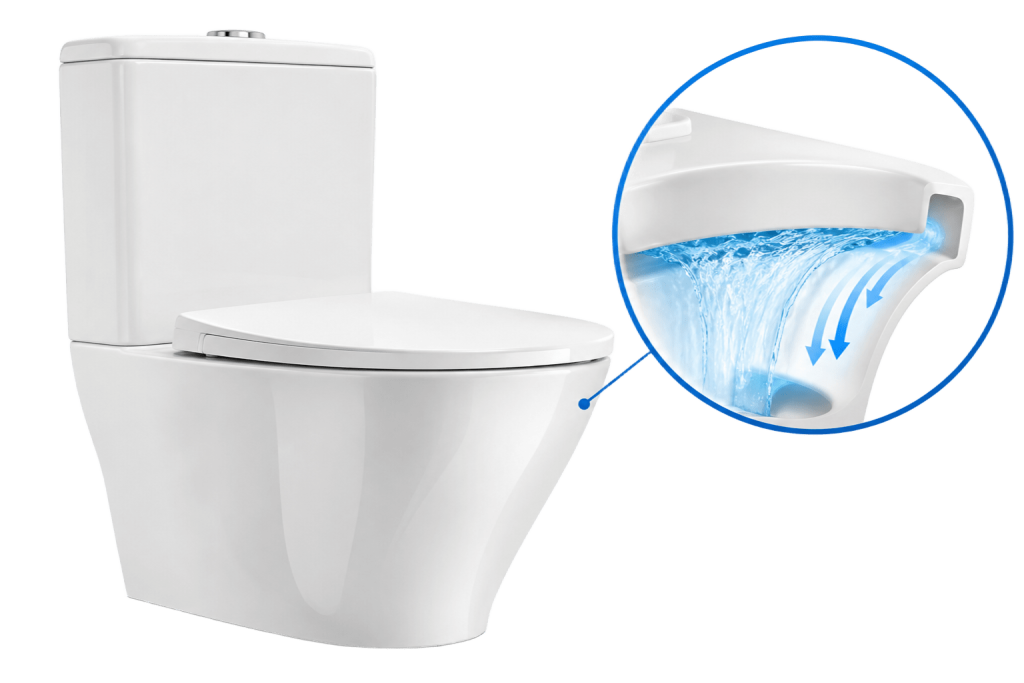
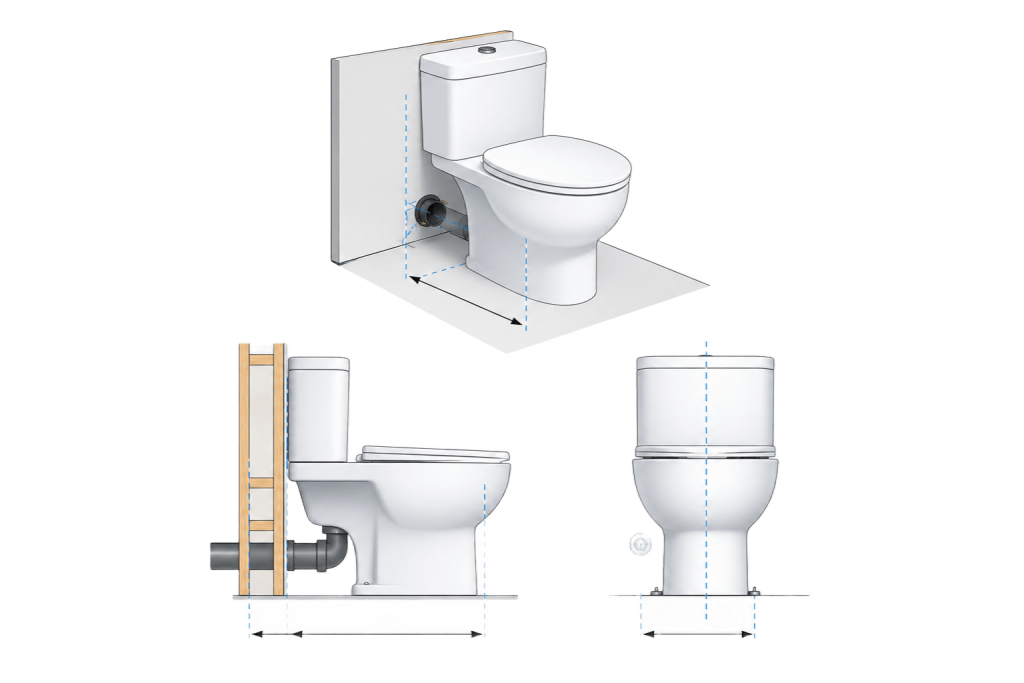
- A wall-hung toilet is mounted on a concealed support frame with a hidden cistern, while a close-coupled toilet has its cistern attached directly to a floor-standing pan.
- Wall-hung toilets cost more and take longer to install because the system includes a concealed frame, cistern, flush plate and labour, plus a planned access panel for servicing.
- Close-coupled toilets are faster to install and easier to service, making them common in Kenyan family homes, rental properties and replacement projects.
- A wall-hung toilet system must be planned before wall finishes, tiles and plumbing points are covered, so it suits new construction and major renovations.
- Wall-hung toilets help small bathrooms, guest toilets and ensuites look more spacious because the floor continues underneath and cleaning is easier.
Last updated 28 July 2026 · KK Empire Tradess, Nairobi
Frequently asked questions
Is a wall-hung toilet strong enough for everyday use?
A wall-hung toilet is fixed to a strong installation frame hidden behind the wall, and that frame carries the weight of the toilet and the user. That is why it needs strong structural support, correct drainage positioning and professional installation, with the system planned before wall finishes, tiles and plumbing points are covered.
Can I replace my old toilet with a wall-hung one?
It is possible, but it usually means a major renovation, because a wall-hung system needs a concealed cistern frame, strong structural support and an access panel planned before walls are finished and tiled. For straightforward replacement projects, close-coupled toilets are often preferred because they can be fitted without major wall modifications.
What is included in the cost of a wall-hung toilet system?
Budget for the complete system, not just the toilet price. A wall-hung system includes the toilet pan, concealed frame, cistern, flush plate and installation labour, which is why installation costs are usually higher. A close-coupled toilet usually includes the toilet pan, cistern, flush mechanism and standard fittings.
Which toilet type is better for a small bathroom?
Wall-hung toilets suit small bathrooms, guest toilets, apartments and ensuites because the floor continues underneath, cleaning access improves and the room appears less crowded. Close-coupled toilets remain practical where plumbing already exists, the budget is limited or structural changes are not possible.