Plumbing tools are specialized equipment used to install, repair, and maintain water supply and drainage systems in residential and commercial buildings. In Kenya, they are essential for both professional plumbers and DIY users handling everyday maintenance, renovations, and new construction projects.
Plumbing systems in Kenya range from simple household installations to complex commercial water networks in apartments, hotels, and industrial buildings. Whether it is fixing a leaking tap in Nairobi, installing bathroom fittings in Mombasa, or upgrading kitchen plumbing in Eldoret, the right tools determine efficiency, safety, and long-term durability.
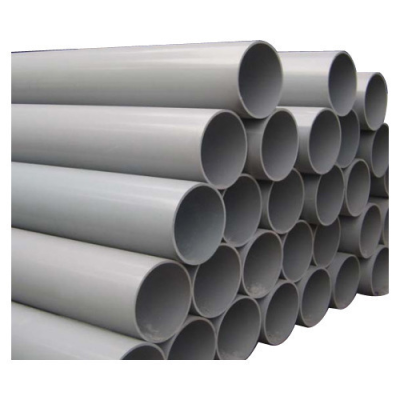
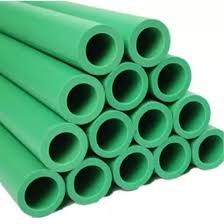
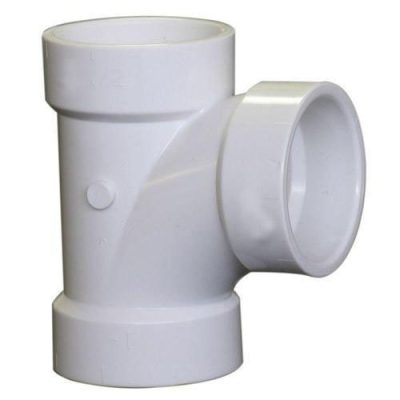
Modern plumbing tools are designed to work with PVC, PPR, copper, and HDPE pipes commonly used in Kenyan construction. Selecting the right tools reduces leak risks, improves installation accuracy, and ensures compliance with local building standards.
Explore quality plumbing and renovation supplies:
Essential Hand Tools for Plumbing Work
Hand plumbing tools are manual tools used for gripping, tightening, cutting, and assembling pipes and fittings. They are essential for both DIY home repairs and professional plumbing installations due to their precision, affordability, and reliability.
Hand tools remain the foundation of plumbing work in Kenya because they are easy to use in residential spaces and do not require electricity. They are commonly used in estate homes, rural water systems, and quick repair jobs.
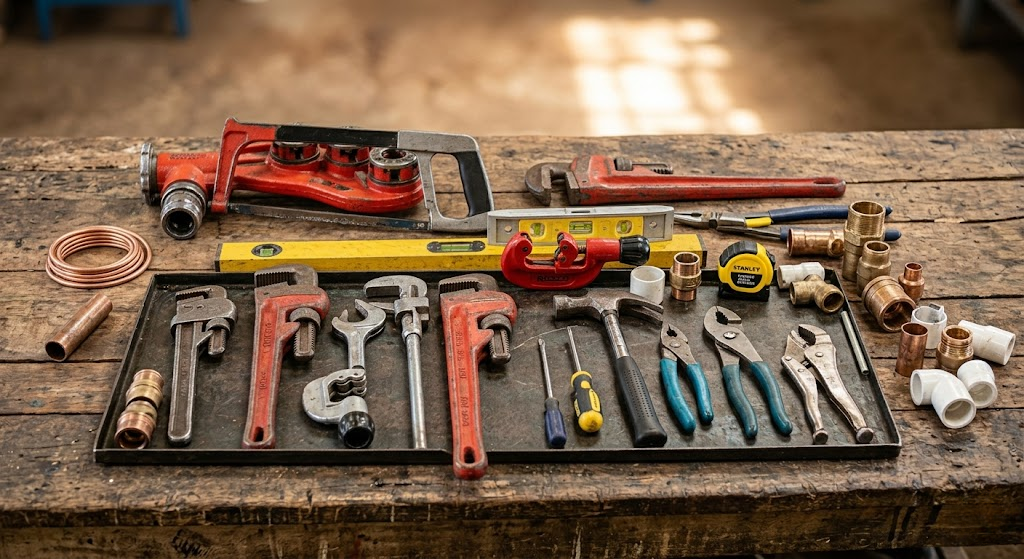
Common hand tools include:
- Pipe wrenches for tightening metal and PVC fittings
- Adjustable spanners for different pipe sizes
- Pipe cutters for clean and accurate cuts
- Plungers for clearing drainage blockages
- Teflon tape for sealing threaded joints
In Nairobi apartments and Kiambu residential areas, these tools are commonly used for emergency repairs such as leaking sinks and loose taps. They are also essential in rural plumbing systems where power tools may not be available.
Shop plumbing essentials:
Power Tools Used in Plumbing Installations
Power plumbing tools are electrically powered devices used for drilling, cutting, and installing pipes in large or complex plumbing systems. They improve speed, precision, and efficiency in commercial and residential construction projects.
In Kenya’s growing construction sector, power tools are widely used in apartments, hotels, and office buildings where multiple installations must be completed within tight timelines.
Common power tools include:
- Electric drills for wall-mounted fittings
- Rotary hammer drills for concrete surfaces
- Angle grinders for cutting metal and plastic pipes
- Heat fusion machines for PPR pipe connections
- Pressure testing pumps for leak detection
In Nairobi high-rise buildings and coastal developments in Mombasa, these tools ensure accurate installations and reduce construction delays. They are essential for maintaining consistency in large-scale plumbing systems.
Explore professional tools:
Pipe Cutting and Joining Tools
Pipe cutting and joining tools are specialized tools used to cut pipes accurately and connect them securely without leaks. They ensure strong, durable plumbing systems in both residential and commercial installations.
These tools are especially important in Kenya where PVC, PPR, and HDPE piping systems are widely used in modern construction projects.
Key tools include:
- PVC pipe cutters for smooth, straight cuts
- Pipe saws for thick or reinforced pipes
- Deburring tools for smoothing cut edges
- Fusion welding machines for PPR pipes
- Solvent cement for PVC joint sealing
Proper pipe joining is critical in areas like Nairobi where water pressure fluctuations are common. Poor connections often lead to hidden leaks, higher water bills, and structural damage over time.
Browse plumbing solutions:
Leak Detection and Maintenance Tools
Leak detection tools are instruments used to identify hidden water leaks in plumbing systems before they cause damage. They help conserve water, reduce repair costs, and protect building structures.
In Kenya, water conservation is increasingly important due to rising utility costs and seasonal shortages, making leak detection essential for homeowners and contractors.
Common tools include:
- Pressure gauges for system testing
- Acoustic leak detectors for hidden pipe leaks
- Moisture meters for wall and floor inspection
- Dye testing kits for drainage systems
- Inspection cameras for internal pipe systems
In coastal regions like Mombasa and Malindi, humidity increases corrosion risk, making leak detection even more important. Early detection prevents damage to tiles, bathroom fittings, and wall finishes.
Access professional tools:
Choosing Between Professional and DIY Plumbing Tools
Professional plumbing tools are designed for heavy-duty, continuous use in construction projects, while DIY tools are intended for basic household maintenance and repairs. The right choice depends on project size, frequency of use, and required durability.
Professional tools are commonly used by contractors working on hotels, apartment blocks, and commercial buildings. DIY tools are more suitable for homeowners handling small repairs.
Professional-grade tools include:
- Industrial pipe cutters
- High-pressure testing pumps
- Advanced welding machines
DIY-friendly tools include:
- Basic spanners and wrenches
- Plungers and sealing tape
- Small handheld drills
In Kenyan residential estates such as Kitengela and Thika, DIY tools are often enough for minor plumbing tasks. However, large-scale developments require professional equipment for accuracy and efficiency.
Explore available options:
Kenyan Climate and Plumbing Conditions
Kenya’s climate directly affects plumbing system performance due to variations in humidity, temperature, and environmental exposure. Selecting the right tools and materials ensures durability and reduces maintenance issues.
Different regions require different considerations:
Coastal areas such as Mombasa experience high humidity, which increases corrosion risks and requires anti-rust fittings and corrosion-resistant tools. Nairobi and Central Kenya experience temperature fluctuations that affect pipe expansion and contraction, making flexible fittings and proper installation techniques essential. Rift Valley and windy regions require stronger outdoor installations to withstand environmental stress.
These conditions influence both material selection and the type of plumbing tools used during installation and maintenance.
Explore climate-appropriate solutions:
KEBS Standards and Plumbing Safety in Kenya
KEBS standards regulate the quality, safety, and performance of plumbing tools and materials used in Kenya. Compliance ensures safe installations, long-lasting systems, and efficient water usage.
Plumbing systems must meet requirements such as pressure resistance, corrosion protection, and safe water handling. Following Kenya Building Code guidelines ensures installations are reliable and suitable for residential and commercial use.
Non-compliant tools or materials may lead to leaks, contamination, or structural damage, increasing long-term maintenance costs.
Learn more:
Maintenance and Care of Plumbing Tools
Proper maintenance of plumbing tools ensures long lifespan, consistent performance, and safe usage during installation and repair work. Regular cleaning and storage prevent rust, wear, and operational failure.
Best practices include cleaning tools after use, applying oil to moving parts, storing them in dry environments, and regularly inspecting cutting edges and joints. In humid regions like coastal Kenya, rust prevention is especially important to maintain tool efficiency.
Well-maintained tools improve accuracy and reduce installation errors in both DIY and professional plumbing work.
Buying Guide for Plumbing Tools in Kenya
Buying plumbing tools in Kenya requires evaluating durability, intended use, material quality, and compliance with local construction standards. Choosing a reliable supplier ensures access to genuine tools suitable for Kenyan conditions.
Key considerations include frequency of use, compatibility with PVC or PPR piping systems, corrosion resistance, and availability of spare parts. Contractors should prioritize industrial-grade tools for large projects, while homeowners can focus on essential repair tools.
Reliable sourcing ensures long-term value and better performance across different plumbing applications.
Shop trusted supplies:
Specifications Table: Plumbing Tools Overview
| Parameter | Example |
|---|---|
| Tool Type | Pipe Wrench / Cutter / Drill |
| Material | Hardened Steel / Alloy / ABS |
| Power Source | Manual / Electric |
| Usage | Cutting, tightening, installation |
| Durability | High (professional tools) |
| Maintenance | Cleaning, lubrication, storage |
| Application | Residential & Commercial Plumbing |
| Compatibility | PVC, PPR, Copper, HDPE |
FAQ: Plumbing Tools in Kenya
What are the most important plumbing tools for beginners?
Basic tools include a pipe wrench, adjustable spanner, plunger, pipe cutter, and sealing tape for simple home repairs.
Can DIY plumbing tools handle home repairs effectively?
Yes, DIY tools are suitable for small repairs such as fixing leaks, replacing taps, and unclogging drains in residential homes.
What is the difference between professional and DIY plumbing tools?
Professional tools are designed for continuous heavy-duty use, while DIY tools are for occasional household maintenance.
Why is KEBS compliance important for plumbing tools?
It ensures safety, durability, and proper performance according to Kenyan construction and water system standards.
Which plumbing tools are best for pipe installation?
Pipe cutters, fusion welding machines, and wrenches are essential for accurate and leak-free installations.
How should plumbing tools be maintained?
Clean after use, oil moving parts, store in dry places, and regularly inspect for wear and damage.
info@kketrades.com
Call/WhatsApp: +254 718 990 010
Website: https://kkempiretradesslimited.com/
Delivery Availability:
Fast delivery within Nairobi and across Kenya including Kiambu, Nakuru, Kisumu, Eldoret, Mombasa, Thika, Kitengela, Machakos, and surrounding regions.