PVC vs PPR pipes for hot water systems in Kenya is one of the most important decisions in modern residential plumbing. PVC vs PPR pipes directly affects durability, heat resistance, and long-term performance of domestic water systems.
In Kenya, especially in Nairobi apartments, gated communities, and coastal developments, hot water systems are now standard. Choosing between PVC and PPR pipes determines whether your plumbing system lasts decades or fails within a few years.
In Kenya’s housing market—especially in Nairobi apartments, gated communities, and coastal developments—hot water systems are increasingly standard. This makes material selection more important than ever.
What is the Difference Between PVC and PPR Pipes?
The difference between PVC and PPR pipes lies in their material composition, temperature resistance, and suitability for hot water systems. PVC (Polyvinyl Chloride) is mainly designed for cold water and drainage, while PPR (Polypropylene Random) is engineered for both hot and cold water applications.
PVC pipes:
- Used mainly for cold water supply and drainage
- Cannot withstand high temperatures
- Become soft and deform under heat
PPR pipes:
- Designed for hot and cold water systems
- Heat-fusion welded for leak-free joints
- Highly resistant to pressure and temperature changes
PVC Pipes in Residential Plumbing Systems
PVC pipes are widely used in Kenya for drainage and cold water applications due to their affordability and ease of installation. However, they are not suitable for hot water systems.
Key characteristics:
- Lightweight and easy to install
- Low cost compared to PPR
- Common in drainage systems
Limitations:
- Softens under heat
- Not suitable for geysers or hot showers
- Shorter lifespan in high-temperature systems
PVC is best reserved for:
- Drainage systems
- Cold water supply lines
- Wastewater disposal systems
PPR Pipes for Hot Water Plumbing in Kenya
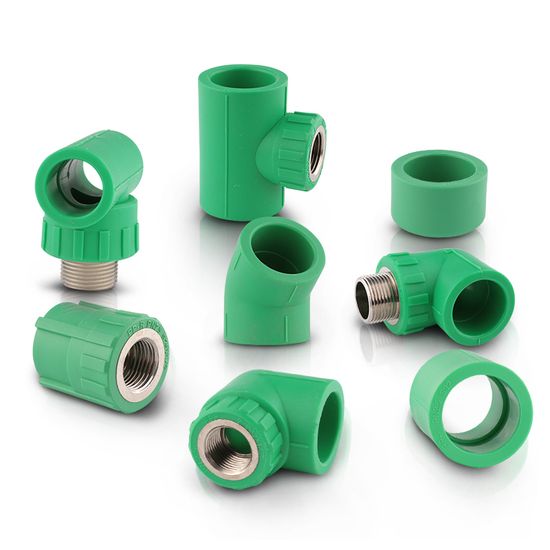
PPR pipes are the preferred choice for hot water plumbing systems in Kenya due to their ability to withstand high temperatures and pressure without degradation.
Key characteristics:
- Heat-resistant up to approximately 95°C
- Fusion-welded joints prevent leakage
- Long lifespan (40–50 years)
- Corrosion-free internal surface
Why they are ideal for Kenya:
- Suitable for geysers and solar water heating systems
- Perform well in Nairobi’s temperature fluctuations
- Resistant to scaling and internal buildup
Explore plumbing materials:
PVC vs PPR Pipes: Direct Comparison
| Feature | PVC Pipes | PPR Pipes |
|---|---|---|
| Heat Resistance | Low | High (up to ~95°C) |
| Hot Water Use | Not suitable | Fully suitable |
| Installation Method | Solvent cement | Heat fusion welding |
| Durability | Moderate | Very high |
| Leak Resistance | Moderate | Very high |
| Lifespan | 10–20 years | 40–50 years |
| Cost | Lower | Higher initial cost |
Hot Water Plumbing Systems in Kenya
Hot water plumbing systems in Kenya are becoming increasingly common in residential developments, especially in urban areas and modern apartments.
Common systems include:
- Electric geysers
- Solar water heaters
- Instant water heaters
These systems require piping that can handle continuous heat exposure without weakening or leaking.
PPR Pipes Heat Resistance Rating Explained
PPR pipes are rated based on their ability to withstand pressure and temperature over long periods.
Typical performance:
- Up to 95°C short-term temperature resistance
- Stable performance at 60–70°C continuous flow
- Pressure ratings (PN10, PN16, PN20) determine system strength
This makes them ideal for:
- Bathrooms with hot showers
- Kitchen hot water supply
- Multi-unit residential plumbing systems
Why PVC Fails in Hot Water Applications
PVC fails in hot water systems because it is not chemically or structurally designed for thermal expansion under high temperatures.
Common failure issues:
- Pipe deformation under heat
- Joint leakage due to expansion
- Cracking over long-term exposure
- Reduced lifespan in heated systems
This is why PVC is strictly avoided in geyser-fed plumbing systems.
Why PPR is the Preferred Choice in Kenya
PPR has become the standard for modern plumbing in Kenya due to its reliability and long-term cost efficiency.
Key advantages:
- Suitable for Kenyan climate variations
- Leak-free fusion welding system
- Reduced maintenance costs
- Compatible with modern building standards
Contractors and developers prefer PPR for:
- Apartment blocks
- Hotels and serviced residences
- Modern residential homes
Installation Best Practices for PPR Systems
Proper installation is essential to achieve maximum performance from PPR piping systems.
Key steps:
- Use calibrated heat fusion tools
- Maintain correct heating time
- Align pipes accurately before joining
- Allow cooling before pressure testing
- Conduct full system pressure testing
Poor installation—not material quality—is the most common cause of failure.
Common Plumbing Mistakes in Kenyan Homes
Many plumbing issues in Kenya come from incorrect material selection and poor workmanship.
Common mistakes:
- Using PVC for hot water systems
- Mixing pipe types in one system
- Poor insulation for hot water lines
- Skipping pressure testing
Avoiding these mistakes improves system safety and lifespan.
Specifications Table: PVC vs PPR Pipes Performance
| Parameter | PVC | PPR |
|---|---|---|
| Material Type | Polyvinyl Chloride | Polypropylene Random Copolymer |
| Hot Water Compatibility | No | Yes |
| Max Temperature | ~60°C (limited) | ~95°C |
| Joint Method | Glue/solvent cement | Heat fusion |
| Corrosion Resistance | Medium | High |
| Recommended Use | Drainage, cold water | Hot & cold water plumbing |
| Lifespan | 10–20 years | 40–50 years |
Frequently Asked Questions (FAQ)
1. Which is better for hot water, PVC vs PPR Pipes?
PPR pipes are better because they are designed to withstand high temperatures without deformation.
2. Can PVC vs PPR Pipes be used for geyser systems?
No, PVC pipes are not suitable for geysers or any hot water applications.
3. What temperature can PVC vs PPR Pipes handle?
PPR pipes can handle temperatures up to approximately 95°C depending on pressure conditions.
4. Why do plumbers in Kenya prefer PVC vs PPR Pipes?
Because they are durable, leak-resistant, and suitable for modern hot water systems.
5. Are PPR pipes expensive compared to PVC?
Yes, but they offer a much longer lifespan and lower maintenance costs.
6. What is the lifespan of PVC vs PPR Pipes in Kenya?
Typically 40–50 years when properly installed.
7. Can PVC vs PPR Pipes be used for cold water too?
Yes, they are suitable for both hot and cold water systems.
For hot water plumbing systems in Kenya, PVC vs PPR Pipes are clearly the superior choice due to their heat resistance, durability, and long-term reliability. PVC pipes remain useful for drainage and cold water systems but should never be used in hot water applications.
For homeowners and contractors, selecting the right pipe material ensures safety, efficiency, and reduced maintenance costs over time.
Contact KK Empire Tradess Limited
info@kketrades.com
Call/WhatsApp: +254 718 990 010
Website: https://kkempiretradesslimited.com/
Delivery Availability:
Fast delivery within Nairobi and across Kenya including Kiambu, Nakuru, Kisumu, Eldoret, Mombasa, Thika, Kitengela, Machakos, and surrounding regions.