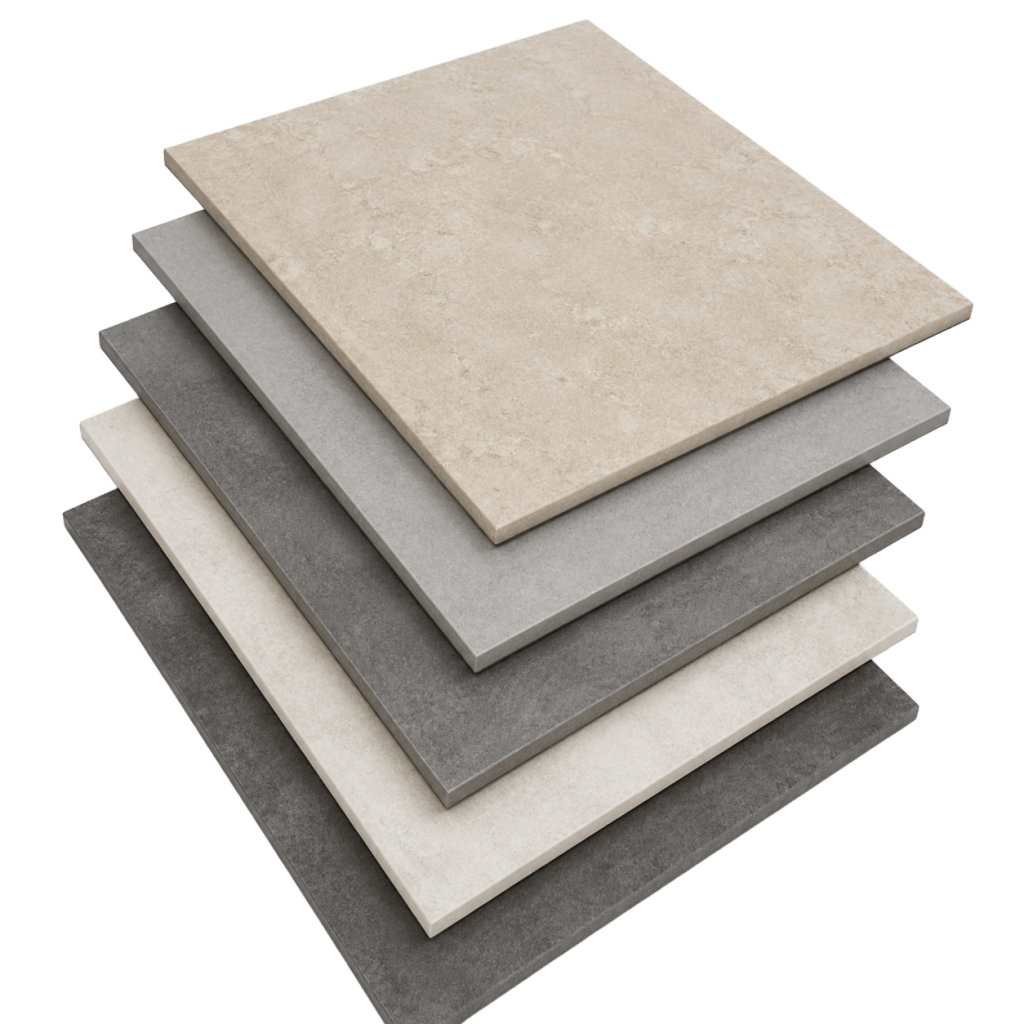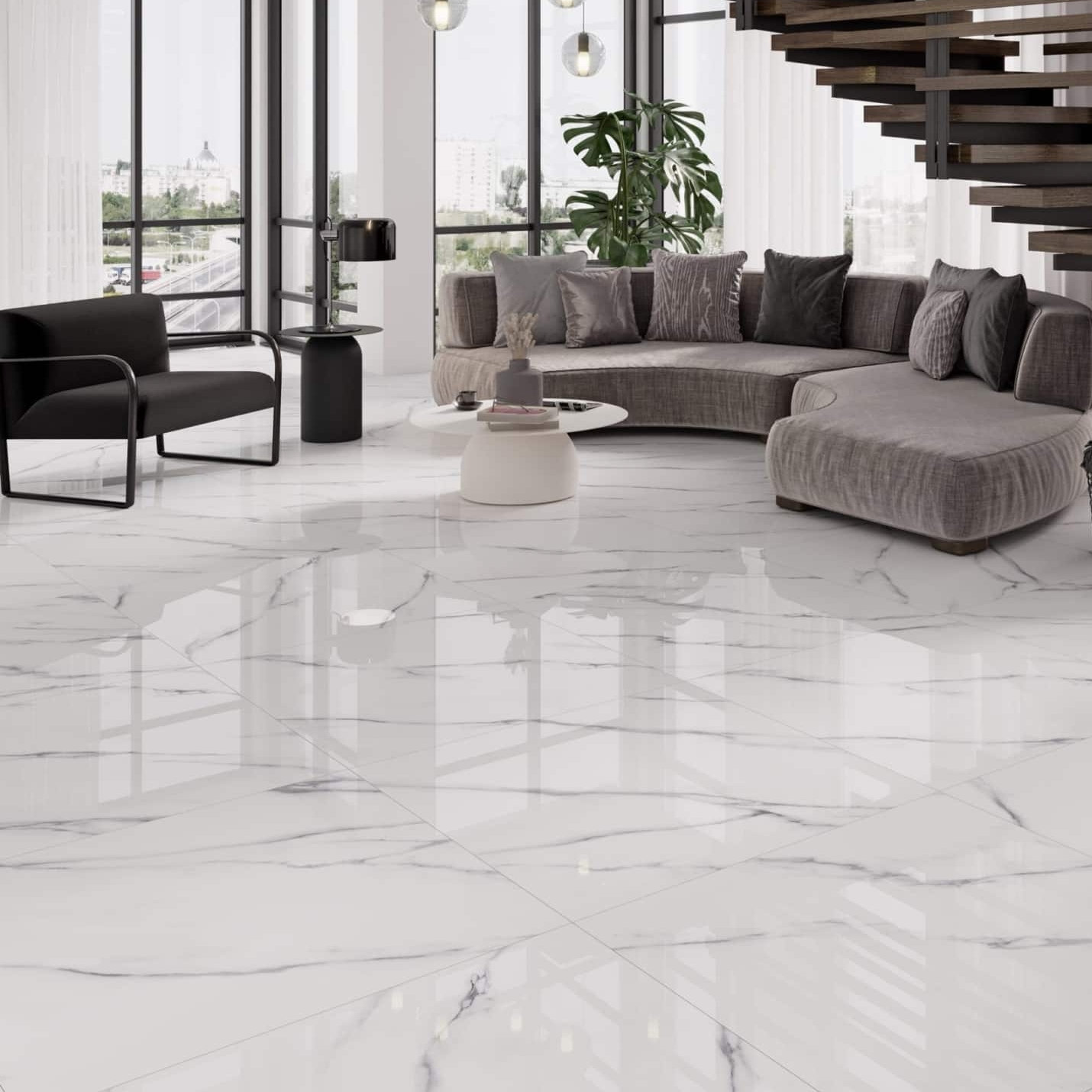
How many tiles do I need is the first question every homeowner, contractor, and property developer should answer before starting a tiling project. Calculating the correct tile quantity helps you avoid shortages, reduce wastage, and control your project budget.
The number of tiles required depends on your room measurements, tile size, box coverage, installation pattern, and wastage allowance. A proper calculation ensures you buy enough tiles while avoiding unnecessary leftover materials.
Whether you are working on a new house, apartment, office, bathroom renovation, or commercial building, understanding tile quantity calculations helps you plan better.
For quality floor tiles in Kenya and expert guidance on choosing the right quantity, KK Empire Trades Limited provides solutions for residential and commercial projects.
Why Knowing How Many Tiles You Need Matters
Knowing how many tiles you need before buying helps you save money, maintain consistent tile shades, and complete installation without delays.
Many homeowners make the mistake of buying tiles based only on room size without considering:
- Tile dimensions
- Number of tiles per box
- Cutting requirements
- Breakages
- Future repairs
- Installation patterns
Buying too few tiles can delay your project, while buying too many increases unnecessary costs.
A professional tile calculation considers the complete installation process from measurement to final fixing.
How Many Tiles Do I Need? Start With Accurate Measurements
The first step in finding how many tiles you need is measuring the total area that will be tiled.
Accurate measurements are important because even small mistakes can create shortages or excess materials.
Measuring Floor Area
For floors, measure:
- Length of the room
- Width of the room
Formula:
Floor Area = Length × Width
Example:
Living room:
Length: 6 metres
Width: 5 metres
Calculation:
6 × 5 = 30m²
The total floor area is:
30 square metres
Calculating Wall Tile Requirements
Wall tile calculations require measuring each wall separately and subtracting areas such as doors and windows.
Bathrooms and kitchens usually require more detailed calculations because different sections may use different tile types.
Formula:
Wall Area = Wall Length × Wall Height
Example:
Bathroom wall:
Length: 3 metres
Height: 2.4 metres
Calculation:
3 × 2.4 = 7.2m²
Repeat this calculation for every wall that will receive tiles.
Step 1: Check Your Tile Size
Tile size determines how many individual tiles you need because larger tiles cover more surface area per piece.
Common tile sizes available in Kenya include:
| Tile Size | Common Use |
|---|---|
| 300×300mm | Bathrooms and small areas |
| 400×400mm | Residential floors |
| 600×600mm | Living rooms and offices |
| 600×1200mm | Modern interiors |
For homeowners looking for durable finishes, porcelain tiles in Kenya are a popular option because of their strength, low water absorption, and premium appearance.
Step 2: Calculate Tile Coverage
To know how many tiles you need, first calculate how much area one tile covers.
Example:
A 600×600mm tile:
0.6m × 0.6m = 0.36m²
One tile covers:
0.36 square metres
Step 3: How Many Tiles Do I Need? Calculate the Total Quantity
To calculate how many tiles you need, divide the total room area by the coverage of one tile.
Formula:
Total Area ÷ Tile Coverage = Number of Tiles
Example:
Room area:
30m²
Tile coverage:
0.36m²
Calculation:
30 ÷ 0.36 = 84 tiles
Required:
Approximately 84 tiles
Step 4: Convert Tiles Into Boxes
Most tiles are sold by boxes, so you must convert the number of tiles into cartons before purchasing.
Example:
Tiles required:
84 pieces
One box contains:
4 tiles
Calculation:
84 ÷ 4 = 21 boxes
Final order:
21 boxes
Always round up when the calculation creates a decimal.
Step 5: Add Tile Wastage
Tile wastage ensures you have enough material for cutting, breakages, and future repairs.
Recommended allowance:
| Installation Type | Extra Tiles |
|---|---|
| Straight installation | 5% |
| Normal home projects | 10% |
| Diagonal patterns | 15% |
| Complex designs | 15%+ |
Example:
Required tiles:
84 pieces
Add 10%:
84 × 1.10 = 93 tiles
Final quantity:
93 tiles
Step 6: How Many Tiles Do I Need for Different Rooms?
The number of tiles you need changes depending on room size, tile type, and installation area.
Example:
Bedroom
Room size:
4m × 4m
Area:
16m²
Kitchen
Room size:
5m × 3m
Area:
15m²
Bathroom
Floor:
5m²
Walls:
18m²
Each area should be calculated separately if using different tiles.
For wet areas, consider suitable bathroom tiles in Kenya designed for moisture resistance and easy maintenance.
Step 7: Consider Tile Patterns and Cuts
Tile patterns affect how many tiles you need because some designs create more cutting waste.
Straight Layout
Requires:
- Less cutting
- Lower wastage
Recommended:
5–10%
Brick Pattern
Requires:
- More adjustments
- Additional cuts
Recommended:
10%
Herringbone Pattern
Requires:
- Detailed cutting
- More spare tiles
Recommended:
15%+
Do Tile Sizes Affect Box Calculations?
Yes, tile sizes directly affect the number of boxes required because larger tiles cover more area per piece.
Example:
| Tile Size | Coverage Impact |
|---|---|
| Small tiles | More pieces required |
| Medium tiles | Balanced coverage |
| Large tiles | Fewer pieces required |
Always check the box coverage printed by the manufacturer before ordering.
Do Not Forget Adhesive and Grout
A complete tiling project requires more than tiles. Adhesive, grout, spacers, and installation materials should also be planned.
Using quality fixing materials improves tile durability and prevents future problems.
Choose suitable tile adhesives in Kenya based on:
- Tile size
- Surface type
- Indoor or outdoor use
- Moisture exposure
Common Mistakes When Calculating Tile Quantities
Many buyers underestimate how many tiles they need because they ignore practical installation factors.
Avoid these mistakes:
- Buying exact quantities without wastage
- Forgetting box coverage
- Ignoring tile cutting
- Measuring incorrectly
- Mixing different tile batches
Before buying, compare different ceramic tiles in Kenya to select the right style and application.
Tile Calculation Checklist
| Item | Completed |
|---|---|
| Room measurements | ✓ |
| Tile size confirmed | ✓ |
| Box coverage checked | ✓ |
| Wastage added | ✓ |
| Pattern considered | ✓ |
| Spare tiles included | ✓ |
FAQ: How Many Tiles Do I Need?
How many tiles do I need for a 20m² room?
Measure the tile coverage and divide 20m² by the area covered by one tile, then add wastage.
How many extra tiles should I buy?
Most projects require around 10% extra tiles for cuts and breakages.
Do larger tiles require fewer boxes?
Yes. Large tiles cover more area per piece.
Should I keep spare tiles after installation?
Yes. Spare tiles help with future repairs and replacement.
Can suppliers help calculate tile quantities?
Yes. Professional suppliers can estimate quantities when provided with accurate measurements.
Final Advice: Calculate Before You Buy
Before purchasing materials, calculate how many tiles you need based on room size, tile dimensions, box coverage, and wastage allowance.
A proper tile calculation prevents delays, controls costs, and ensures your finished floor or wall looks professional.
For complete finishing solutions, explore sanitaryware solutions in Kenya to match bathroom designs with your tile selection.
Contact KK Empire Trades Limited
Email: info@kketrades.com
Call/WhatsApp: +254 718 990 010
Website: https://kkempiretradesslimited.com/
Delivery available within Nairobi and across Kenya including Kiambu, Nakuru, Kisumu, Eldoret, Mombasa, Thika, Kitengela, Machakos, and surrounding regions.

SEO Twin
SEO Twin writes for the KK Empire Tradess Knowledge Base — practical guides for Kenyan homes and contractors.