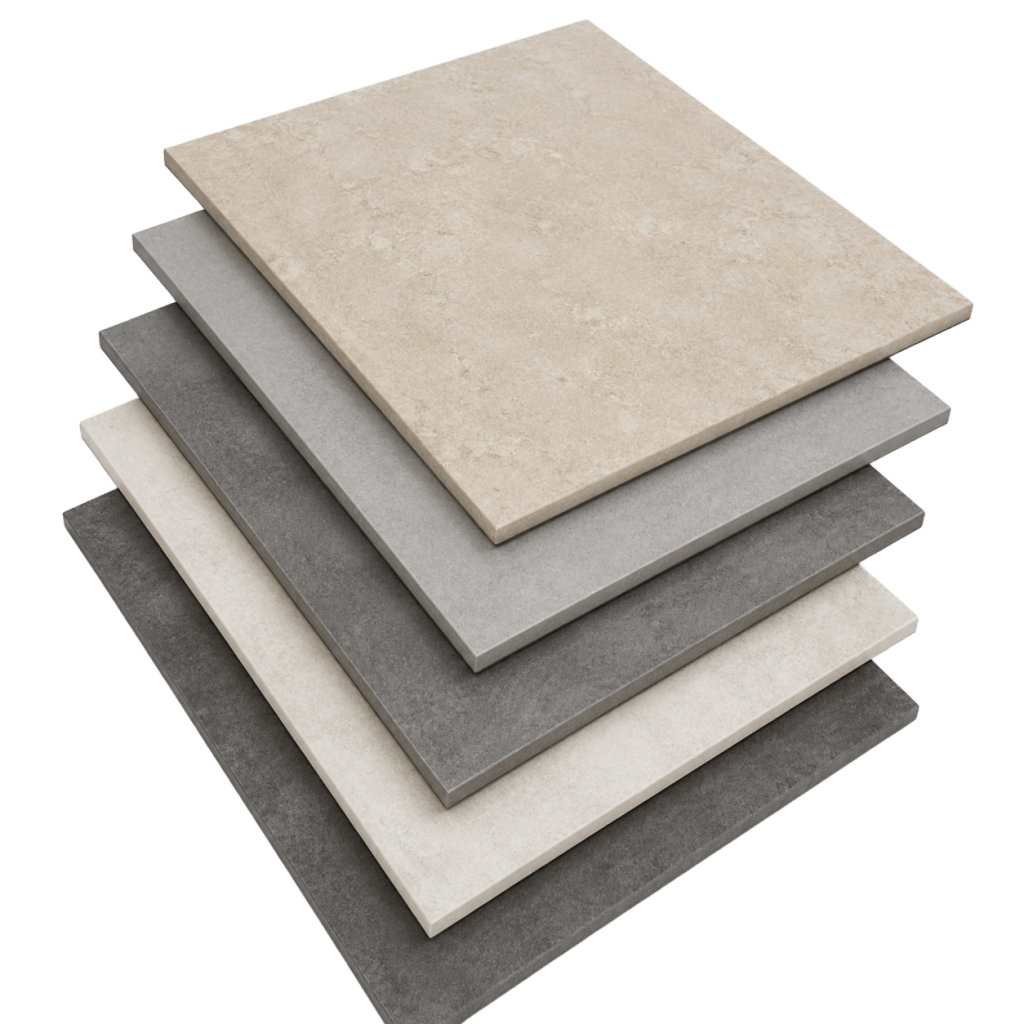
Ordering tiles for a renovation or construction project involves more than selecting a design from a showroom. Before installation begins, one of the most important quality checks is confirming the tile batch and shade information printed on every carton.
Many flooring problems occur because tiles from different production batches are installed together without checking their codes. Although the tiles may look similar before installation, slight differences in colour tone, texture, or finish can become noticeable once an entire floor is completed.
For homeowners, contractors, and developers in Kenya, checking tile batch and shade before accepting delivery helps prevent:
- Visible colour differences across rooms
- Uneven floor appearance
- Installation delays
- Additional replacement costs
- Difficulty matching tiles during future repairs
A professional installer should always inspect tile cartons before laying begins. This simple delivery check can protect the appearance and quality of the entire project.
KK Empire Trades Limited supplies tiles, bathroom solutions, sanitaryware, and interior finishing materials for residential and commercial projects across Kenya. Customers can explore available products through the KK Empire Trades Limited shop or request project guidance through the contact page.
This guide explains how tile batch and shade codes work, why they matter, and what buyers should check before installation.
Why Tile Batch and Shade Matter Before Tile Installation
The manufacturing process for tiles involves producing products in controlled batches. Each production run may have small differences caused by raw materials, firing conditions, glazing processes, and manufacturing adjustments.
The tile batch and shade markings help identify:
| Marking | Meaning |
|---|---|
| Batch number | Production group identification |
| Shade code | Colour tone or visual variation |
| Calibre | Manufacturing size variation |
| Product code | Tile model identification |
These details allow installers and suppliers to confirm whether cartons belong to the same production run.
For example, a homeowner renovating a living room in Nairobi may order grey porcelain tiles. If additional cartons are purchased later from a different batch, the grey tone may appear slightly warmer or cooler compared with the original installation.
The difference may be small individually, but across a large floor area it can create visible patterns.
How to Read Tile Batch and Shade Codes on Delivery Boxes
Understanding Tile Batch and Shade Information Printed on Cartons
Most tile cartons include manufacturing information that helps identify product consistency.
A typical carton may include:
| Information | Purpose |
|---|---|
| Tile name/design | Identifies the product |
| Size | Confirms dimensions |
| Batch number | Confirms production run |
| Shade code | Confirms colour variation |
| Calibre | Confirms size tolerance |
| Quantity | Shows coverage area |
Before accepting delivery, compare the markings on multiple cartons.
The main checks include:
- Do all cartons have the same batch number?
- Do all cartons have the same shade code?
- Are tile sizes consistent?
- Is the product the same design and finish?
A mismatch does not always mean the tiles cannot be used, but it should be discussed with the supplier and installer before laying.
Tile Batch and Shade Checks Every Buyer Should Complete on Delivery
A proper inspection should happen before tiles are moved into installation areas.
1. Check Tile Batch and Shade Across All Cartons
The first step is comparing carton labels.
Buyers should inspect:
- Batch numbers
- Shade codes
- Tile dimensions
- Product descriptions
For large projects such as apartments, hotels, and commercial buildings, checking the tile batch and shade before distribution helps maintain a consistent appearance throughout different rooms.
2. Open Sample Boxes Before Installation
Even when carton labels match, opening a few boxes is recommended.
A sample inspection helps identify:
- Surface defects
- Unexpected colour variation
- Edge damage
- Printing differences
- Finish problems
Contractors should mix tiles from different cartons during installation when the batch and shade are confirmed. This helps distribute natural variations evenly.
Tile Batch and Shade Variation: Natural vs Problematic Differences
Not all shade differences indicate poor quality.
Some tile designs intentionally include variation to create a natural stone, marble, or concrete appearance.
Manufacturers often classify tile variation as:
| Variation Level | Description |
|---|---|
| V1 | Very uniform appearance |
| V2 | Slight variation |
| V3 | Moderate variation |
| V4 | Significant variation |
A buyer should understand the intended appearance before installation.
For example:
- Marble-effect porcelain tiles may have planned pattern differences.
- Stone-effect outdoor tiles may intentionally vary.
- Plain glossy tiles usually require more consistent shade matching.
The important point is ensuring the variation is intentional and controlled.
Why Different Tile Batch and Shade Codes Can Affect Finished Floors
Installing tiles from different production batches can create visible differences because manufacturing conditions change slightly between production runs.
Common causes include:
- Different raw material mixes
- Glazing adjustments
- Firing temperature differences
- Production timing
- Storage conditions
These differences may appear as:
- Lighter sections
- Darker sections
- Different surface reflections
- Uneven visual flow
This is especially noticeable in:
- Large living rooms
- Open-plan offices
- Hotel corridors
- Commercial floors
- Apartment developments
Checking tile batch and shade before installation is therefore a simple quality-control step that protects the final appearance.
Tile Batch and Shade Considerations for Kenyan Construction Projects
Kenyan projects often involve different environmental conditions, from humid coastal areas to cooler highland regions.
Understanding local conditions helps buyers plan tile purchases properly.
Nairobi and Central Kenya Projects
For Nairobi, Kiambu, Thika, and surrounding areas:
Important considerations include:
- Consistent indoor lighting appearance
- Matching tiles across open-plan spaces
- Adequate replacement stock
- Correct storage before installation
Large residential developments should order sufficient quantities from the same batch where possible.
Coastal Projects in Mombasa and Malindi
Coastal environments experience:
- Higher humidity
- Salt exposure
- Increased moisture levels
For coastal homes and hotels, buyers should combine tile batch and shade checks with material suitability checks, including:
- Water absorption
- Slip resistance
- Maintenance requirements
A correctly selected tile with matching batches helps maintain both performance and appearance.