Plumbing pipe sizing is one of the most critical parts of any construction or renovation project in Kenya. Incorrect pipe selection leads to low water pressure, frequent blockages, leaks, and expensive system failures.
Understanding the right plumbing pipe sizes ensures efficient water distribution in homes, apartments, offices, and commercial buildings.
What Are Plumbing Pipe Sizes?
Plumbing pipe sizes refer to the diameter measurements of pipes used in water supply and drainage systems, determining water flow rate and pressure efficiency.
Correct sizing ensures balanced water distribution, prevents pressure loss, and supports long-term plumbing system performance.
Pipe sizes are typically measured in millimeters (mm) or inches and vary depending on application and water demand.
Common Plumbing Pipe Sizes Used in Kenya
The most commonly used plumbing pipe sizes in Kenya range from ½ inch to 4 inches depending on whether the system is for domestic supply, drainage, or commercial use.
Smaller pipes are used for fixtures, while larger pipes are used for main supply and drainage systems.
Standard pipe size applications:
- ½ inch – Tap connections and small outlets
- ¾ inch – Bathroom and kitchen supply lines
- 1 inch – Main household water supply
- 2–4 inches – Drainage and sewer systems
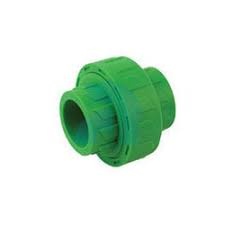
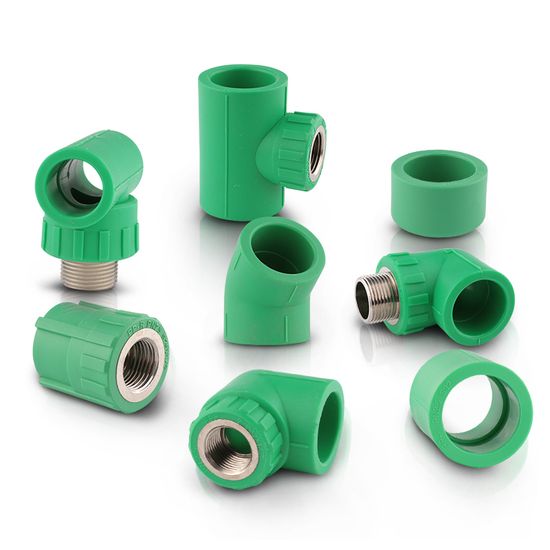
For plumbing materials and fittings:
How to Choose the Right Plumbing Pipe Size
The correct plumbing pipe size depends on water demand, building height, fixture type, and pressure requirements.
Undersized pipes reduce flow efficiency, while oversized pipes increase installation cost unnecessarily.
Key selection factors:
- Number of water outlets in the building
- Distance from water source
- Water pressure availability
- Type of building (residential or commercial)
Plumbing Pipe Sizes for Residential Buildings
Residential plumbing systems in Kenya typically use ½ inch to 1 inch pipes for water supply and 2–3 inch pipes for drainage systems.
This sizing ensures efficient water flow for bathrooms, kitchens, and laundry areas.
Typical residential setup:
- Showers & sinks → ½ inch pipes
- Toilets → ¾ to 1 inch supply lines
- Main water line → 1 inch pipe
- Waste drainage → 2–3 inch pipes
Plumbing Pipe Sizes for Commercial Buildings
Commercial plumbing systems require larger pipe sizes, typically ranging from 1 inch to 4 inches, due to higher water demand and multiple usage points.
These systems must support continuous water flow without pressure loss.
Examples:
- Hotels → High-capacity 1–2 inch supply lines
- Offices → 1 inch distribution pipes
- Shopping malls → 2–4 inch drainage systems
PVC vs PPR vs HDPE Plumbing Pipes
PVC, PPR, and HDPE pipes differ in strength, temperature resistance, and suitability for cold or hot water systems.
PPR pipes are preferred for hot water systems, while PVC is widely used for drainage.
Material comparison:
- PVC Pipes
- Used for drainage and cold water
- Lightweight and affordable
- Not suitable for high temperatures
- PPR Pipes
- Suitable for hot and cold water
- High durability and heat resistance
- Common in modern buildings
- HDPE Pipes
- Flexible and strong
- Used for underground water supply
- Resistant to corrosion and pressure
Kenyan Climate Impact on Plumbing Systems
Kenya’s climate affects plumbing pipe performance, especially in coastal humidity, highland temperature changes, and dry dusty regions.
Choosing climate-appropriate pipe materials prevents cracking, corrosion, and pressure failure.
Regional insights:
Coastal Kenya (Mombasa, Malindi)
- High humidity increases corrosion risk
- HDPE and PPR preferred
Nairobi & Central Kenya
- Temperature fluctuations affect pipe expansion
- Proper insulation recommended
Rift Valley & Arid Areas
- Dust and soil movement require durable underground pipes
KEBS Standards for Plumbing Pipes
KEBS-certified plumbing pipes meet Kenya’s safety, durability, and water quality standards for construction use.
Using non-certified pipes increases the risk of leaks, contamination, and early system failure.
Importance of compliance:
- Ensures pressure rating accuracy
- Guarantees material safety
- Reduces long-term maintenance issues
- Supports Kenya Building Code 2024 compliance
Common Plumbing Installation Mistakes
Most plumbing failures in Kenya result from incorrect pipe sizing, poor joint sealing, and use of low-quality materials.
These mistakes lead to leaks, low water pressure, and system inefficiency.
Common errors:
- Using undersized main water pipes
- Mixing incompatible pipe materials
- Poor joint welding or sealing
- Ignoring pressure testing before use
Maintenance of Plumbing Systems
Regular inspection and maintenance of plumbing systems prevents leaks, blockages, and pressure loss over time.
Proper maintenance extends pipe lifespan and ensures consistent water supply.
Maintenance tips:
- Inspect joints for leaks regularly
- Flush systems to remove debris
- Replace worn-out fittings early
- Monitor water pressure changes
Specifications Table (Plumbing Pipe Sizes)
| Application | Pipe Size Range | Material Type |
|---|---|---|
| Tap connections | ½ inch | PVC / PPR |
| Bathroom supply lines | ¾ inch | PPR |
| Main water supply | 1 inch | HDPE / PPR |
| Residential drainage | 2–3 inches | PVC |
| Commercial drainage | 3–4 inches | PVC / HDPE |
Frequently Asked Questions (FAQs)
1. What is the standard plumbing pipe size for homes in Kenya?
Most homes use ½ inch to 1 inch pipes for water supply and 2–3 inch pipes for drainage systems.
2. Which pipe is best for water supply in Kenya?
PPR pipes are ideal due to their durability, heat resistance, and suitability for both hot and cold water systems.
3. What happens if pipe size is too small?
Undersized pipes reduce water pressure and cause inefficient water distribution.
4. Can PVC pipes be used for hot water?
No, PVC pipes are not suitable for hot water systems due to heat sensitivity.
5. What is the lifespan of plumbing pipes?
Quality pipes can last 10–30 years depending on material and installation quality.
6. Why is KEBS certification important?
It ensures pipes meet safety, pressure, and durability standards required in Kenyan construction.
Contact KK Empire Tradess Limited
info@kketrades.com
Call/WhatsApp: +254 718 990 010
https://kkempiretradesslimited.com/
Delivery Availability:
Fast delivery within Nairobi and across Kenya including Kiambu, Nakuru, Kisumu, Eldoret, Mombasa, Thika, Kitengela, Machakos, and surrounding regions.