Wall Tiles vs Floor Tiles: Understanding the Key Differences
Choosing the right tiles is one of the most important decisions during any home renovation or construction project. Many people assume that all tiles are the same, but understanding wall tiles vs floor tiles can help you avoid costly installation mistakes and ensure every surface performs as expected.
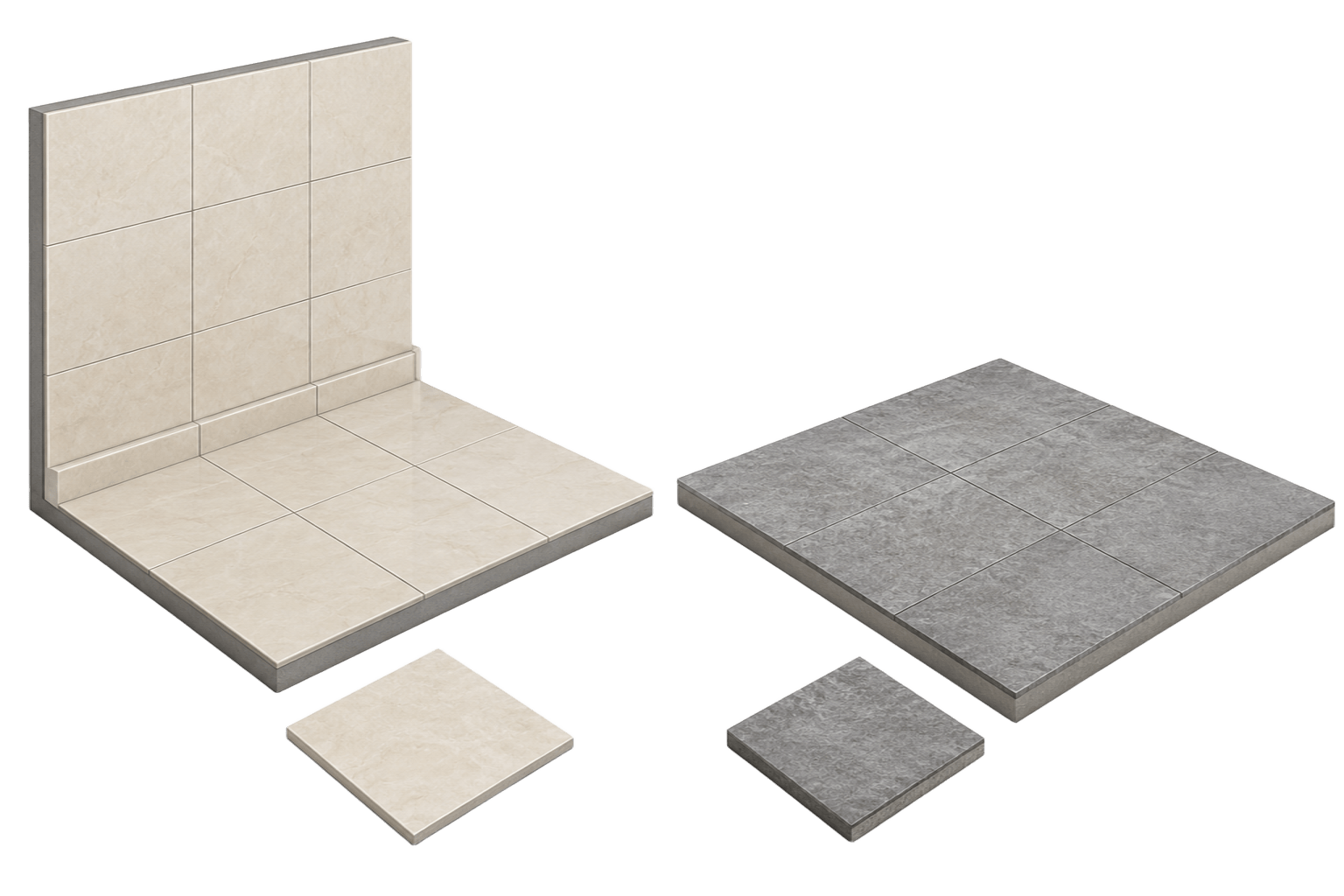
Although wall tiles vs floor tiles may appear similar in size, colour, or finish, they are designed for different purposes. Floor tiles are manufactured to withstand foot traffic, impacts, and heavy loads, while wall tiles are generally lighter and intended for vertical surfaces where strength is less critical.
Whether you are renovating a bathroom, kitchen, living room, or commercial property, selecting the correct tile type improves durability, safety, and long-term value. Understanding wall tiles vs floor tiles also helps you choose products that comply with the demands of each space.
Before purchasing tiles, consider:
- Intended application
- Tile thickness
- PEI wear rating
- Slip resistance
- Water absorption
- Surface finish
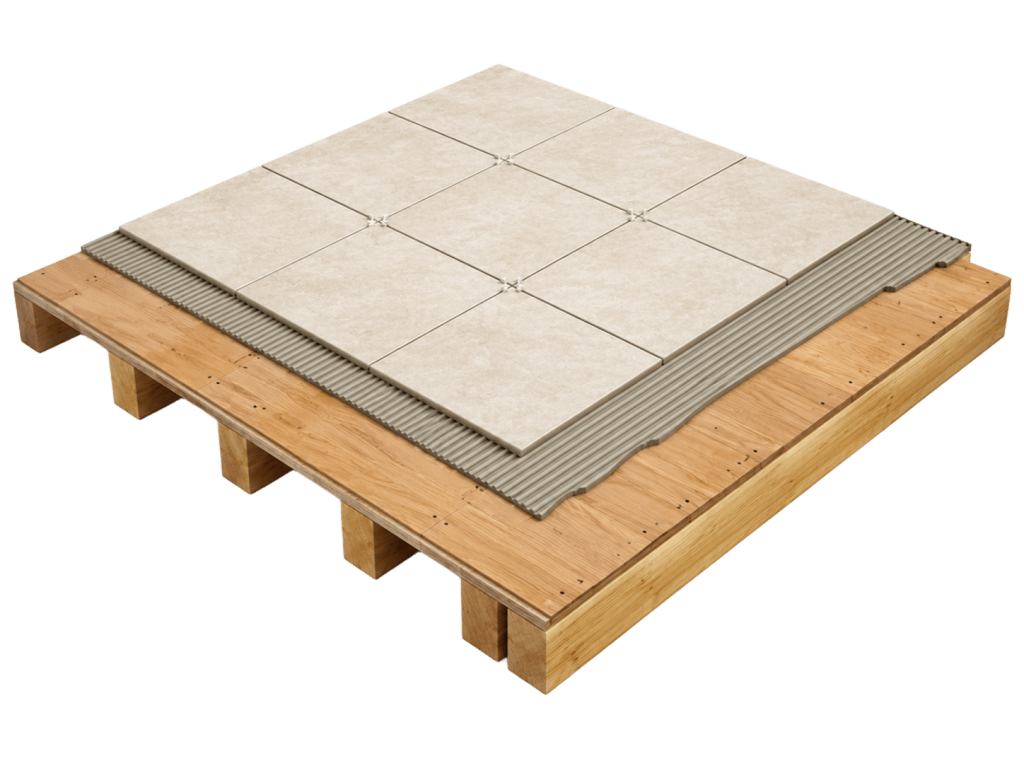
- Installation method
At KK Empire Trades Limited, we supply premium wall tiles, floor tiles, porcelain tiles, ceramic tiles, adhesives, grouts, and interior finishing products for residential and commercial projects across Kenya. Browse our collection through the KK Empire Trades Limited Shop or learn more about our services on the About Us page.
Wall Tiles vs Floor Tiles: What Is the Difference?
The biggest difference between wall tiles vs floor tiles is their intended use. Floor tiles are manufactured to withstand regular foot traffic and heavy loads, while wall tiles are designed primarily for decorative and protective wall finishes.
Understanding wall tiles vs floor tiles begins with recognising that manufacturers engineer each product differently to meet specific performance requirements.
Floor tiles are generally:
- Thicker
- Stronger
- More impact resistant
- More wear resistant
- Designed for weight-bearing applications
Wall tiles are usually:
- Lighter
- Easier to cut
- Simpler to install on vertical surfaces
- Available in decorative finishes
- Not intended for heavy loads
Using the correct tile type ensures better performance, improved safety, and a longer service life.
Wall Tiles vs Floor Tiles: Thickness and Strength Compared
When comparing wall tiles vs floor tiles, thickness is one of the first differences homeowners notice. Floor tiles are generally thicker because they must support people, furniture, and everyday impacts.
Tile thickness contributes directly to durability.
Typical characteristics include:
Floor Tiles
Most floor tiles offer:
- Greater thickness
- Higher breaking strength
- Better impact resistance
- Improved durability
- Longer service life
These properties make them suitable for:
- Living rooms
- Kitchens
- Hallways
- Commercial buildings
- Outdoor walkways
Wall Tiles
Wall tiles are designed to:
- Reduce weight on walls
- Simplify installation
- Allow decorative finishes
- Minimise structural loading
Because they are lighter, wall tiles should generally not be used where heavy foot traffic occurs.
Understanding wall tiles vs floor tiles helps prevent selecting products that are unsuitable for their intended purpose.
Wall Tiles vs Floor Tiles: Understanding PEI Ratings
PEI ratings are an important consideration in wall tiles vs floor tiles because they measure resistance to surface wear. Floor tiles usually have higher PEI ratings than wall tiles due to their exposure to regular foot traffic.
The Porcelain Enamel Institute (PEI) rating helps determine where glazed tiles should be installed.
General guidance includes:
| PEI Rating | Typical Application |
|---|---|
| PEI 0 | Decorative wall tiles only |
| PEI 1–2 | Light residential walls and low-traffic floors |
| PEI 3 | General residential floors |
| PEI 4 | Heavy residential and commercial floors |
| PEI 5 | High-traffic commercial and industrial areas |
When evaluating wall tiles vs floor tiles, checking the PEI rating helps ensure the selected product matches the expected level of use.
Wall Tiles vs Floor Tiles: Slip Resistance and Safety
Slip resistance is another major difference between wall tiles vs floor tiles. Floor tiles often include textured or slip-resistant finishes, while wall tiles generally do not require this feature because they are not walked on.
Safety is particularly important in:
- Bathrooms
- Kitchens
- Outdoor patios
- Pool surrounds
- Commercial entrances
For these areas, installers typically recommend floor tiles with appropriate slip resistance ratings.
Factors affecting slip resistance include:
- Surface texture
- Tile finish
- Water exposure
- Cleaning products
- Foot traffic levels
Selecting suitable products when comparing wall tiles vs floor tiles helps reduce the risk of slips and falls.
Wall Tiles vs Floor Tiles: Where Each Type Should Be Used
Choosing the correct location is one of the most important aspects of wall tiles vs floor tiles. Each tile type is designed for specific environments and performance requirements.
Best Applications for Wall Tiles
Wall tiles are commonly installed in:
- Bathroom walls
- Kitchen splashbacks
- Shower surrounds
- Feature walls
- Commercial washrooms
Best Applications for Floor Tiles
Floor tiles are suitable for:
- Kitchens
- Living rooms
- Bedrooms
- Corridors
- Patios
- Balconies
- Commercial floors
While some high-quality floor tiles may be installed on walls, the opposite is generally not recommended because wall tiles are not engineered to support regular foot traffic.
Choosing correctly in the wall tiles vs floor tiles comparison improves safety, durability, and the overall appearance of your project.