Choosing the right sanitary ware is one of the most important decisions in any bathroom, kitchen, or commercial washroom project. In Kenya, poor-quality bathroom fixtures often lead to leaks, frequent repairs, water wastage, and high maintenance costs.
This guide explains how to choose durable, KEBS-compliant sanitary ware products in Kenya, what materials to prioritize, and how to match products with your project type, climate, and budget.
What is Sanitary Ware?
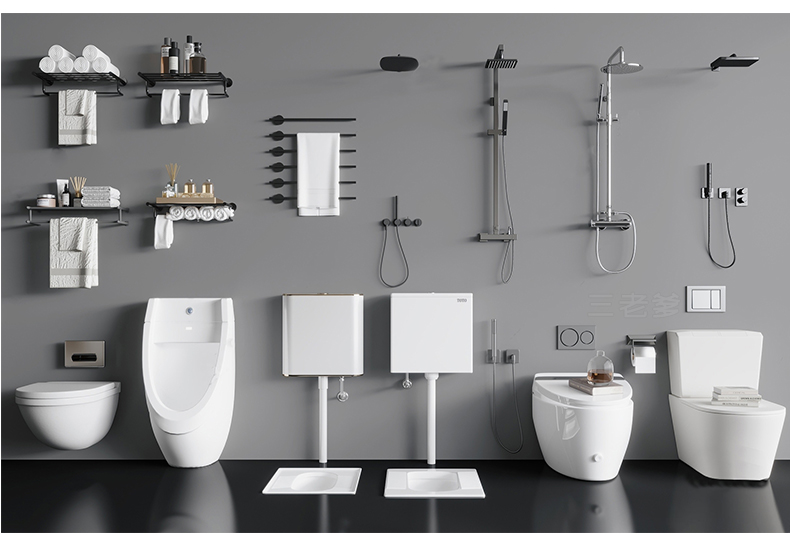
Sanitary ware refers to bathroom and washroom fixtures such as water closets, wash basins, urinals, bathtubs, and bidets designed for hygiene and water management.
These products are made from materials like ceramic, porcelain, or vitreous china to ensure water resistance, durability, and easy cleaning.
Sanitary ware is a core component of modern construction, covering both residential and commercial hygiene systems. In Kenya, it is widely used in homes, hotels, offices, apartments, and public buildings.
Common examples include:
- Water Closets (WC)
- Wash Basins
- Urinals
- Bathtubs
- Bathroom sinks and counters
Types
Sanitary ware is categorized into water closets, wash basins, urinals, bathtubs, and bathroom accessories based on their function and installation type.
Each type serves a specific hygiene purpose and must be selected based on usage intensity and space design.
Main Categories:
- Water Closets (WC): Floor-mounted or wall-hung toilet systems
- Wash Basins: Countertop, pedestal, or wall-mounted sinks
- Urinals: Common in commercial buildings and public washrooms
- Bathtubs: Acrylic or ceramic bathing systems
- Bathroom Accessories: Soap holders, towel racks, mirrors
For homeowners browsing options, you can explore:
How to Choose Quality Products
Quality sanitary ware is selected based on material density, water absorption rate, finish quality, and compliance with KEBS standards.
High-quality products are non-porous, crack-resistant, and designed to handle long-term water exposure without degradation.
Key Selection Factors:
- Water absorption rate below 0.5% (ideal for porcelain)
- Smooth glazed finish for hygiene and easy cleaning
- Structural thickness for crack resistance
- Compatibility with plumbing systems
- Warranty and supplier reliability
When buying from trusted sanitary ware suppliers in Kenya, always ensure products meet construction-grade durability standards.
You can consult:
Materials Used
The most common sanitary ware materials are porcelain, ceramic, and vitreous china, chosen for their low porosity and high durability in wet environments.
Porcelain is the most preferred due to its high density, stain resistance, and long lifespan in humid bathroom conditions.
Material Breakdown:
- Porcelain: Dense, low water absorption, highly durable
- Ceramic: Affordable, slightly more porous, suitable for light use
- Vitreous China: Glazed ceramic with improved water resistance
Why material matters:
- Prevents mold growth in humid bathrooms
- Reduces staining from hard water
- Improves product lifespan under heavy usage
KEBS Standards and Compliance in Kenya
KEBS-certified sanitary ware ensures safety, water efficiency, and durability compliance with Kenya’s construction regulations.
Using non-compliant products increases risk of leakage, breakage, and poor sanitation performance.
Why KEBS compliance matters:
- Ensures material strength and durability testing
- Guarantees safe water usage standards
- Reduces risk of premature product failure
- Supports Kenya Building Code 2024 compliance
In commercial projects such as hotels or apartments, KEBS-certified sanitary ware is mandatory for approval and inspection.
Installation Considerations
Proper installation ensures leak-free performance, structural stability, and long-term durability of sanitary ware systems.
Incorrect installation is the leading cause of toilet leakage, basin instability, and drainage failures in Kenyan buildings.
Key installation factors:
- Proper plumbing alignment and sealing
- Use of high-quality adhesives and fittings
- Correct wall reinforcement for wall-mounted units
- Professional installation for commercial projects
For reliable supply and installation-ready products:
Kenyan Climate Considerations for Sanitary Ware
Kenya’s climate affects sanitary ware performance, especially humidity in coastal regions and temperature variations in highland areas.
Choosing moisture-resistant and anti-corrosion materials prevents mold, cracking, and long-term damage.
Regional considerations:
Coastal Kenya (Mombasa, Malindi)
- High humidity increases mold risk
- Choose anti-corrosion fittings
- Prioritize glazed porcelain surfaces
Nairobi & Central Kenya
- Temperature fluctuations affect material expansion
- Slip-resistant bathroom flooring is essential
- Moderate humidity requires balanced ventilation
Rift Valley & Windy Regions
- Strong temperature shifts require expansion-resistant materials
- Durable mounting systems for fixtures
- Reinforced installation recommended
Common Mistakes When Buying
Most buyers in Kenya choose sanitary ware based on price alone, ignoring water absorption rate, material quality, and installation compatibility.
This leads to frequent replacements, leaks, and higher long-term maintenance costs.
Common errors include:
- Buying non-KEBS certified products
- Ignoring water pressure compatibility
- Choosing glossy finishes for high-slip areas
- Poor installation planning
Maintenance
Regular cleaning using non-abrasive detergents preserves glaze quality and prevents bacterial buildup in sanitary ware systems.
Proper maintenance extends product lifespan and maintains hygiene standards in residential and commercial bathrooms.
Maintenance tips:
- Clean weekly using mild disinfectants
- Avoid acidic cleaners that damage glaze
- Check seals and joints regularly
- Fix leaks immediately to prevent water damage
Pricing Factors in Kenya
Sanitary ware pricing depends on material type, brand quality, design complexity, and KEBS certification status.
Porcelain and imported designs are generally more expensive due to higher durability and manufacturing standards.
Pricing influences:
- Material density (porcelain vs ceramic)
- Design style (modern vs basic)
- Installation complexity
- Supplier reputation
For affordable and premium options:
Specifications Table
| Parameter | Example Specification |
|---|---|
| Material | Porcelain / Vitreous China |
| Water Absorption | < 0.5% |
| Finish | High-gloss / Matte |
| Installation Type | Floor-mounted / Wall-hung |
| Recommended Use | Residential & Commercial |
| Lifespan | 10–25 years (proper use) |
| Maintenance Level | Low |
Frequently Asked Questions (FAQs)
1. What is the best material in Kenya?
Porcelain is the best option due to its low water absorption, high durability, and resistance to stains and mold growth.
2. How do I know if sanitary ware is KEBS certified?
Look for certification marks on packaging or request compliance documentation from the supplier before purchase.
3. What is the difference between wall-mounted and floor-mounted toilets?
Wall-mounted toilets save space and offer modern aesthetics, while floor-mounted units are easier to install and maintain.
4. How long does sanitary ware last?
High-quality sanitary ware can last 10–25 years depending on usage, installation quality, and maintenance.
5. Why does my toilet keep leaking?
Leaks are often caused by poor installation, worn seals, or low-quality fittings.
6. Is ceramic sanitary ware good for bathrooms?
Yes, but ceramic is more porous than porcelain and may require more maintenance in high-moisture environments.
7. What should I consider for commercial bathrooms?
Focus on durability, high traffic resistance, easy cleaning, and KEBS-certified heavy-duty fixtures.
8. Where can I buy quality sanitary ware in Kenya?
You can purchase from trusted suppliers like KK Empire Tradess Limited for verified, durable, and compliant products.
Contact KK Empire Tradess Limited
info@kketrades.com
Call/WhatsApp: +254 718 990 010
Website: https://kkempiretradesslimited.com/
Delivery Availability:
Fast delivery within Nairobi and across Kenya including Kiambu, Nakuru, Kisumu, Eldoret, Mombasa, Thika, Kitengela, Machakos, and surrounding regions.