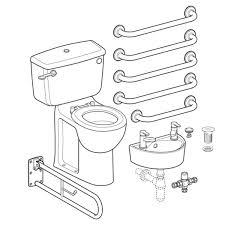
Sanitaryware standards define the quality, safety, performance, and manufacturing requirements used to evaluate bathroom products such as toilets, basins, and urinals.
Before buying sanitaryware in Kenya, customers should check ceramic quality, water efficiency, warranty coverage, installation requirements, and supplier support.
Understanding standards and warranties helps homeowners, contractors, and developers select bathroom products that provide reliable long-term performance.
Sanitaryware is a long-term bathroom investment. Unlike decorative finishes that can be changed easily, products such as water closets (WCs), wash basins, and concealed toilet systems are connected to plumbing systems and require careful selection.
Important sanitaryware categories include:
- Water closets (WC)
- Wash basins
- Pedestal basins
- Countertop basins
- Wall-hung toilets
- Urinals
- Concealed cistern systems
- Flush plates
- Bathroom fittings
For quality sanitaryware and bathroom solutions in Kenya, explore KK Empire Trades Limited:
What are sanitaryware standards?
Sanitaryware standards are technical requirements that ensure bathroom products meet expectations for strength, hygiene, water performance, and safe use.
These standards help buyers compare products based on measurable factors instead of appearance or price alone.
Certified sanitaryware provides greater confidence in durability, manufacturing consistency, and performance.
Standards commonly evaluate:
- Ceramic strength
- Surface finish
- Water absorption
- Glaze quality
- Flushing performance
- Dimensional accuracy
- Water efficiency
Why do sanitaryware standards matter in Kenya?
Sanitaryware standards matter because bathroom products must withstand daily use, moisture exposure, cleaning chemicals, and plumbing conditions.
Products that meet recognised quality requirements are less likely to experience problems such as cracking, poor flushing, staining, or premature failure.
For Kenyan homes and commercial buildings, quality standards support safety, hygiene, and long-term value.
Benefits include:
- Better durability
- Improved hygiene
- Consistent product quality
- Reduced maintenance costs
- Better water management
What sanitaryware quality checks should you perform before buying?
Buyers should inspect ceramic quality, glaze finish, dimensions, flushing technology, and manufacturer information before purchasing sanitaryware.
A product that looks attractive in a showroom should also meet technical requirements for installation and everyday use.
Checking specifications prevents costly replacement after installation.
Sanitaryware Inspection Checklist
| Check | What to Look For |
|---|---|
| Ceramic body | Even, strong construction |
| Glaze finish | Smooth, uniform surface |
| Dimensions | Correct plumbing compatibility |
| Flush system | Efficient water performance |
| Brand information | Genuine manufacturer details |
| Warranty | Clear coverage terms |
Understanding sanitaryware glaze quality
Sanitaryware glaze is the smooth protective coating applied to ceramic surfaces to improve hygiene, appearance, and cleaning performance.
A quality glaze should provide a smooth surface that resists stains, dirt buildup, and moisture absorption.
Poor glaze quality can lead to discolouration, rough surfaces, and difficult maintenance.
A good glaze should provide:
- Smooth touch surface
- Consistent colour
- Easy cleaning
- Resistance to staining
- Long-lasting appearance
What is ceramic water absorption in sanitaryware?
Water absorption measures how much moisture a ceramic material can absorb and is an important indicator of product quality.
Lower absorption levels generally indicate denser ceramic materials with better resistance to moisture-related issues.
This is especially important in bathrooms where products are constantly exposed to water.
Consider:
- Ceramic density
- Manufacturing process
- Bathroom humidity
- Cleaning frequency
What should you check in a sanitaryware warranty?
A sanitaryware warranty explains what defects are covered, how long coverage lasts, and what conditions apply after purchase.
Before buying, customers should understand warranty duration, installation requirements, exclusions, and after-sales support.
A clear warranty provides confidence and protects the buyer’s investment.
Important warranty questions:
- What parts are covered?
- How long is coverage?
- Does installation affect warranty?
- Are replacement parts available?
- Who handles warranty claims?
Sanitaryware warranty terms explained
Warranty terms differ between manufacturers and product categories, so buyers should review the details before making a purchase.
Ceramic bodies, seats, mechanisms, and fittings may have different warranty conditions.
Understanding these differences helps avoid misunderstandings after installation.
| Component | Common Warranty Consideration |
|---|---|
| Ceramic body | Manufacturing defects |
| Flush mechanism | Internal components |
| Toilet seat | Hinges and material defects |
| Mixer fittings | Cartridge and finish conditions |
| Concealed systems | Frame and mechanism support |
How do KEBS standards affect sanitaryware buyers?
KEBS standards help promote product quality and safety for construction materials used in Kenya.
Buying products that follow recognised quality requirements supports better durability, performance, and consumer protection.
Contractors and developers should consider compliance when selecting bathroom products for projects.
Quality compliance helps with:
- Product reliability
- Construction quality
- Customer confidence
- Long-term performance
Water efficiency standards for sanitaryware in Kenya
Water-efficient sanitaryware helps reduce household water consumption while maintaining effective bathroom performance.
Modern toilets and flushing systems are designed to deliver cleaning performance while using controlled water volumes.
Selecting efficient sanitaryware can reduce operational costs for homes, hotels, and commercial buildings.
Look for:
- Dual flush systems
- Efficient cistern designs
- Proper flush performance
- Compatible plumbing systems
Sanitaryware specifications table
| Parameter | Example Specification |
|---|---|
| Product Type | Water Closet / Basin |
| Material | Vitreous ceramic |
| Finish | Gloss glazed surface |
| Installation | Floor-mounted or wall-hung |
| Water Efficiency | Dual flush options |
| Application | Residential and commercial bathrooms |
| Maintenance | Easy-clean ceramic surface |
Wall-mounted vs floor-mounted sanitaryware
Wall-mounted and floor-mounted sanitaryware systems offer different installation benefits depending on bathroom design and plumbing requirements.
Wall-hung products create a modern appearance and easier floor cleaning, while floor-mounted units are simpler to install and maintain.
The correct choice depends on construction stage, budget, and design objectives.
| Type | Advantages |
|---|---|
| Wall-hung WC | Modern look, easier cleaning |
| Floor-mounted WC | Easier installation, widely available |
| Pedestal basin | Traditional reliable option |
| Countertop basin | Premium design appearance |
Sanitaryware selection for Kenyan climate conditions
Kenyan climate conditions influence bathroom material choices, especially in humid coastal areas and high-use environments.
Selecting quality glazed surfaces and corrosion-resistant fittings improves bathroom lifespan.
Proper ventilation and maintenance also protect sanitaryware performance.
Coastal Kenya (Mombasa, Malindi)
Recommended:
- High-quality glazed ceramics
- Corrosion-resistant fittings
- Moisture-resistant bathroom products
Nairobi and Central Kenya
Recommended:
- Reliable flushing systems
- Easy-clean surfaces
- Durable bathroom fittings
Commercial Projects
Recommended:
- Heavy-use sanitaryware
- Easy replacement systems
- Strong warranty support
Common mistakes when buying sanitaryware
Many buyers focus only on appearance and price while ignoring specifications, warranty coverage, and installation requirements.
A bathroom product should be selected based on performance, compatibility, and long-term maintenance needs.
Professional guidance helps avoid expensive mistakes.
Avoid:
- Buying without checking warranty
- Ignoring spare parts availability
- Choosing incorrect dimensions
- Selecting unsuitable products for heavy use
- Poor installation planning
FAQ: Sanitaryware Standards Kenya
1. What are sanitaryware standards?
Sanitaryware standards are technical requirements that measure bathroom product quality, safety, durability, and performance.
2. Why is glaze quality important in sanitaryware?
Good glaze improves hygiene, cleaning ability, stain resistance, and the appearance of ceramic products.
3. What warranty should I expect for sanitaryware?
Warranty periods vary by manufacturer and product type. Buyers should confirm coverage before purchase.
4. Are water-efficient toilets better?
Water-efficient toilets can reduce water usage while providing effective flushing performance when correctly installed.
5. What should I check before buying a WC?
Check ceramic quality, flush system, dimensions, spare parts availability, and warranty terms.
6. Are branded sanitaryware products worth buying?
Established brands usually provide better manufacturing consistency, support, and replacement options.
Final Buying Advice: Choosing Sanitaryware in Kenya
Choosing sanitaryware requires more than selecting a design; buyers should evaluate standards, specifications, warranty terms, and supplier reliability.
Quality sanitaryware improves bathroom durability, hygiene, water efficiency, and long-term satisfaction.
Before purchasing a WC, basin, or bathroom system, confirm technical details and after-sales support.
Contact KK Empire Trades Limited
info@kketrades.com
Call/WhatsApp: +254 718 990 010
Website: https://kkempiretradesslimited.com/
Delivery Availability:
Fast delivery within Nairobi and across Kenya including Kiambu, Nakuru, Kisumu, Eldoret, Mombasa, Thika, Kitengela, Machakos, and surrounding regions.

SEO Twin
SEO Twin writes for the KK Empire Tradess Knowledge Base — practical guides for Kenyan homes and contractors.