Leaking PVC drainage pipes are one of the most common causes of damp walls, bad odours, and hidden water damage in Kenyan homes and buildings. This guide explains why PVC pipes start leaking, how to diagnose the exact problem, and the permanent repair methods that actually work in local conditions across Kenya.
Whether you’re dealing with a bathroom waste pipe, kitchen drainage line, or underground PVC sewer system, the fixes below are practical, contractor-approved, and aligned with real Kenyan construction environments.
Why PVC drainage pipes start leaking in Kenyan homes
PVC drainage pipes leak mainly due to poor joint sealing, incorrect installation, or long-term pressure stress within the waste system. In Kenya, this is often worsened by unskilled installation and inconsistent use of solvent cement during fitting.
Leaks are not random—they usually begin at joints, bends, or connection points where adhesives or fittings were not properly applied. In Nairobi apartments, Kitengela homes, and even commercial buildings, the most common failure point is the socket joint where pipes were not fully primed or allowed to cure.
For proper plumbing materials and fittings, homeowners often source reliable components through trusted suppliers like
shop andkkempiretradesslimited for renovation projects.
How to identify the exact point of a PVC pipe leak
PVC pipe leaks can be identified by tracing moisture patterns, checking joint connections, and observing odor or damp wall discoloration near drainage lines. Most leaks are visible at joints rather than along the pipe body.
In Kenyan homes, especially apartments and maisonettes, leaks often appear as:
- Damp patches on bathroom or kitchen walls
- Foul sewer smell from hidden pipe runs
- Water pooling near skirting or floor tiles
- Ceiling stains in lower floors (for multi-storey buildings)
To locate the exact leak:
- Run water through sinks or showers in sections
- Observe where dripping starts
- Check pipe joints under sinks and behind inspection panels
For renovation support or plumbing upgrades, homeowners often consult suppliers via
contact-us
Main causes of Leaking PVC Drainage Pipes
The most common causes of PVC pipe leaks include poor solvent cement application, misaligned joints, physical pipe stress, and aging or low-quality fittings. In Kenya, improper installation is the leading cause.
Key causes include:
- Insufficient solvent cement usage – joints not fully sealed
- Incorrect pipe alignment – forcing pipes into sockets creates stress cracks
- Cheap or low-grade fittings – weak material density
- Thermal expansion – hot and cold water cycles causing joint movement
- Structural building movement – especially in new constructions settling
- Blocked drainage pressure – causing backflow stress
In coastal areas like Mombasa, humidity accelerates joint degradation, while Nairobi’s temperature fluctuations increase expansion-contraction stress on rigid PVC systems.
Learn more about renovation solutions here:
about-us
Best permanent repair methods for Leaking PVC Drainage Pipes
Permanent PVC pipe repair requires replacing or resealing the joint using proper solvent cement, correct fittings, and ensuring a clean, dry bonding surface before installation. Temporary patches do not last under pressure.
The most effective methods include:
- Cut and replace method – removing damaged section and installing new fittings
- Solvent welding repair – rejoining pipes using PVC solvent cement
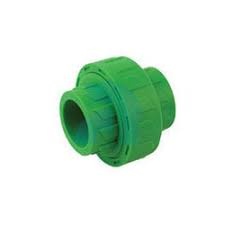
- Coupling installation – using repair couplers for cracked sections
- Full joint reassembly – cleaning and re-gluing misaligned joints
In Kenyan construction practice, solvent welding is the most reliable permanent solution when done correctly with proper curing time.
For access to plumbing materials and fittings, visit:
shop
Step-by-step guide to fixing Leaking PVC Drainage Pipes at home
Fixing a leaking PVC pipe permanently requires cutting the damaged section, cleaning the joint area, and rejoining using solvent cement with proper alignment and curing time. Rushing the process leads to repeat leaks.
Follow this contractor-approved method:
Step 1: Shut off water flow
Stop water usage in the affected system to prevent pressure buildup.
Step 2: Dry and clean the pipe area
Ensure the pipe surface is completely dry and free from grease or debris.
Step 3: Cut out damaged section
Use a pipe cutter to remove cracked or leaking parts.
Step 4: Prepare fittings
Dry-fit replacement couplers or elbows before applying cement.
Step 5: Apply solvent cement
Coat both pipe and fitting evenly and quickly before joining.
Step 6: Join and hold firmly
Push firmly and hold for 30–60 seconds to ensure bonding.
Step 7: Allow curing time
Let the joint cure for at least 12–24 hours before restoring water flow.
For professional-grade plumbing materials, explore:
shop
Best solvent cement and fittings for Leaking PVC Drainage Pipes in Kenya
The best PVC solvent cement creates a chemical weld between pipe and fitting, forming a permanent bond stronger than the pipe itself when properly applied. Quality fittings determine long-term leak resistance.
Recommended materials include:
- Medium-bodied PVC solvent cement (for general drainage systems)
- Heavy-duty cement (for pressure and structural joints)
- PVC repair couplers
- Elbows and T-joints with tight manufacturing tolerances
In Nairobi hardware markets, quality varies significantly, so selecting KEBS-compliant products is essential for long-term durability.
Explore verified plumbing supplies here:
shop and kkempiretradesslimited
Kenyan climate and how it affects PVC drainage systems
Kenyan climate conditions directly affect Leaking PVC Drainage Pipes performance through temperature fluctuations, humidity exposure, and soil movement, which can weaken poorly installed pipe joints over time.
Regional effects include:
Coastal Kenya (Mombasa, Malindi)
- High humidity accelerates joint degradation
- Mold and moisture buildup around concealed pipes
- Requires corrosion-resistant fittings and proper sealing
Nairobi & Central Kenya
- Daily temperature shifts cause expansion and contraction
- Poor joints loosen over time
- Bathrooms require slip and moisture-resistant installations
Rift Valley regions
- Strong winds and structural vibration affect exposed plumbing
- Soil movement impacts underground drainage lines
Proper installation adapted to climate conditions ensures long-term leak prevention.
Building standards and why compliance matters (KEBS & Kenya Building Code)
KEBS standards and the Kenya Building Code ensure that Leaking PVC Drainage Pipes systems meet minimum safety, durability, and water efficiency requirements for long-term structural performance.
Compliance ensures:
- Pipes meet minimum pressure and durability ratings
- Safe wastewater disposal without leakage risks
- Reduced contamination of living spaces
- Long-term cost savings from fewer repairs
Non-compliant installations often fail within a few years due to poor material strength or incorrect sizing.
For compliant renovation solutions, visit:
about-us
Preventing future PVC pipe leaks
Preventing Leaking PVC Drainage Pipes requires correct installation techniques, high-quality materials, and routine inspection of joints and drainage systems. Most leaks are avoidable with proper workmanship.
Best prevention practices:
- Use certified solvent cement and fittings
- Avoid forcing misaligned pipe joints
- Ensure proper pipe support spacing
- Conduct pressure testing before sealing walls
- Inspect bathroom and kitchen drainage annually
For long-term renovation planning, explore:
shop
When to call a professional plumber
You should call a professional plumber when leaks are hidden behind walls, involve underground drainage systems, or when multiple joints fail simultaneously. DIY fixes are not reliable for structural plumbing failures.
Situations requiring expert intervention:
- Persistent leaks after repair attempts
- Sewer smell despite visible sealing
- Multi-point leakage in apartment systems
- Burst underground drainage pipes
Professional diagnosis prevents repeated structural damage and expensive rebuilding.
Specifications Table: Leaking PVC Drainage Pipes System
| Parameter | Specification |
|---|---|
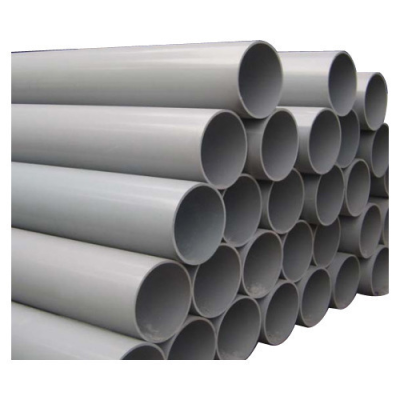
| Material | Unplasticized PVC (uPVC) |
| Common Sizes | 32mm, 40mm, 50mm, 110mm |
| Joint Type | Solvent welded socket joints |
| Water Absorption | <0.1% |
| Pressure Rating | Low to medium drainage systems |
| Expected Lifespan | 20–50 years (proper installation) |
| Application | Wastewater and soil drainage |
| Installation Method | Solvent cement bonding |
FAQ: Leaking PVC drainage pipes in Kenya
1. Why is my Leaking PVC Drainage Pipes at the joint?
PVC pipe joints leak due to improper solvent cement application or misalignment during installation. This prevents a proper chemical bond from forming.
2. Can I fix a Leaking PVC Drainage Pipes without replacing it?
Yes, small joint leaks can be fixed using solvent cement re-bonding or repair couplers, but cracked pipes usually require replacement.
3. What is the best cement for PVC pipe repair in Kenya?
Medium or heavy-duty PVC solvent cement is best, especially KEBS-approved products designed for drainage systems.
4. How long does a Leaking PVC Drainage Pipes last?
A properly repaired PVC joint can last 10–30 years depending on installation quality and environmental conditions.
5. Why do Leaking PVC Drainage Pipesin new houses?
Most leaks in new Kenyan homes are caused by poor workmanship, rushed installation, or failure to properly cure solvent cement.
6. Can temperature changes cause Leaking PVC Drainage Pipes?
Yes, expansion and contraction from temperature changes can weaken poorly bonded joints over time.
7. Is PVC better than metal pipes for drainage?
Yes, PVC is more corrosion-resistant, lighter, and easier to install, making it ideal for modern Kenyan drainage systems.