Here’s your revised paragraph with “tile spacers” naturally included for SEO:
Why Tile Failures Are More Common Than You Think
Tiles are one of the most durable and aesthetically pleasing finishes for floors and walls in Kenyan homes. From modern apartments in Nairobi to rural homes upgrading their interiors, tiles offer elegance, hygiene, and longevity. However, one major issue continues to plague many construction and renovation projects: cracked, lifted, or hollow tiles—often caused by poor installation practices such as failing to use proper tile spacers and surface preparation materials.
If you’ve ever walked across a tiled floor and heard a hollow sound—or worse, noticed cracks forming—you’ve experienced the consequences of improper tiling techniques. These failures are not just cosmetic; they often require costly repairs or complete replacement.
The good news? Most tile failures can be prevented by focusing on two often-overlooked elements:
This guide explores how these simple tools and materials can make or break your tiling project, especially in Kenya’s diverse climate conditions.
Understanding Tile Cracking and Lifting
Before diving into solutions, it’s important to understand why tiles fail in the first place.
Common Causes of Tile Failure
- Thermal Expansion and Contraction
- Kenya experiences significant temperature fluctuations, especially between day and night.
- Tiles expand when hot and contract when cool, creating stress.
- Poor Adhesion
- Weak bonding between tile and substrate leads to loosening over time.
- Improper Spacing
- Tiles installed too tightly have no room to expand, leading to cracking.
- Substrate Movement
- Concrete slabs and screeds naturally shift or settle.
- Moisture Penetration
- Water weakens adhesives and causes tiles to lift.
The Role of Tile Spacers in Preventing Cracks


What Are Tile Spacers?
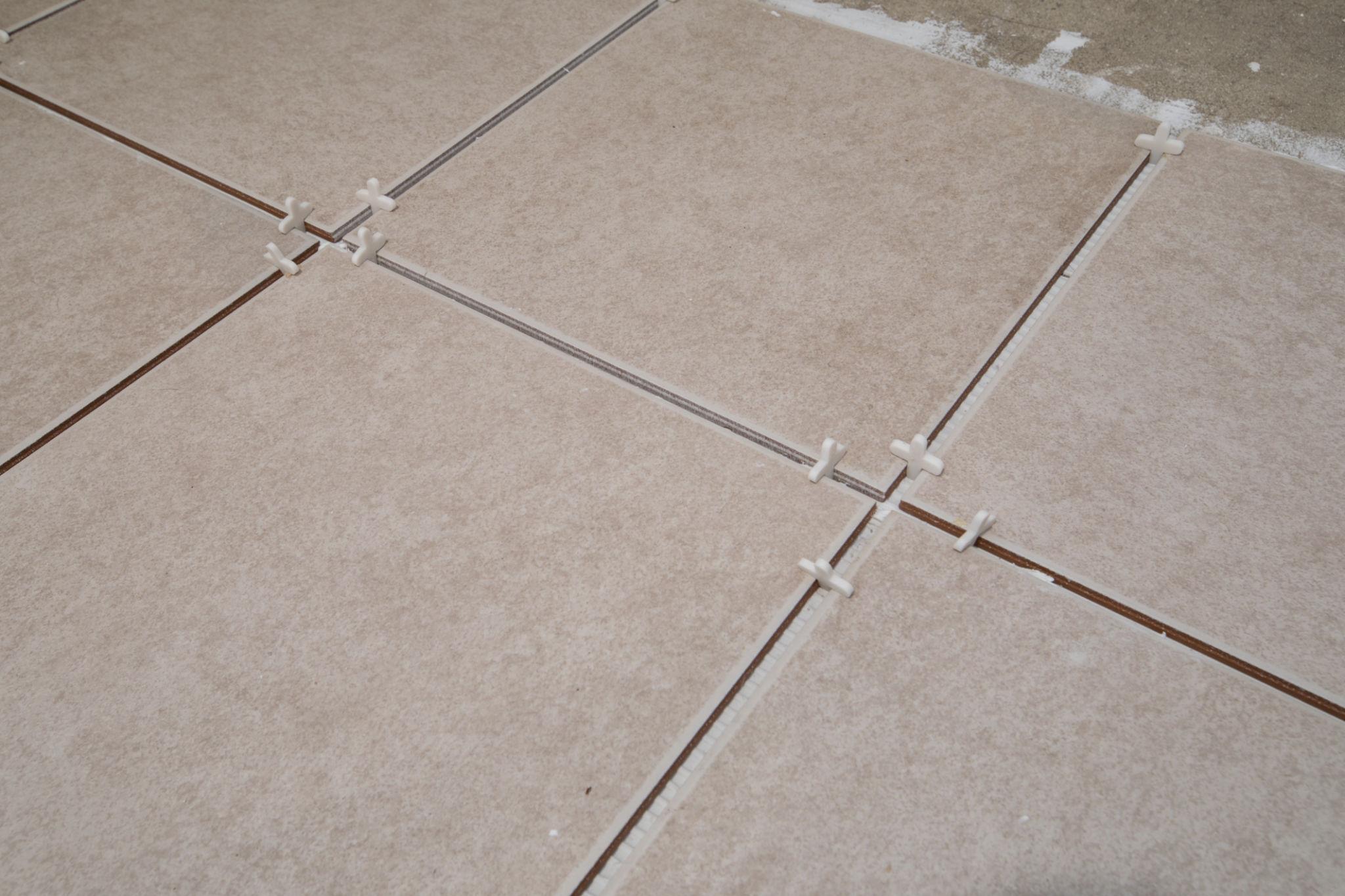
Tile spacers are small plastic tools placed between tiles during installation to ensure consistent gaps (grout lines).
Why Tile Spacers Are Essential
1. Allow Expansion and Movement
Tiles need space to expand and contract. Without spacers:
- Pressure builds between tiles
- Cracks form over time
2. Ensure Uniform Appearance
Spacers create:
- Straight grout lines
- Professional finish
- Balanced layout
3. Prevent Tile Overlap and Misalignment
Without spacers:
- Tiles may shift during installation
- Uneven surfaces develop
Types of Tile Spacers Available in Kenya
Choosing the right spacer depends on your tile size and application.
1. Cross (X) Spacers
- Ideal for standard grid layouts
- Common in floors and walls
2. T-Spacers
- Used for staggered or brick patterns
3. Wedge Spacers
- Perfect for vertical tiling (walls)
4. Self-Leveling Spacers
- Advanced systems that prevent lippage (uneven tile edges)
Recommended Spacer Sizes
| Tile Type | Spacer Size |
|---|---|
| Small tiles (≤300mm) | 2mm – 3mm |
| Medium tiles (300–600mm) | 3mm – 5mm |
| Large format tiles | 5mm – 10mm |
Tip: In Kenya’s warm climate, slightly wider joints help accommodate expansion.
Bonding Primers: The Hidden Hero of Strong Tiles


What Is a Bonding Primer?
A bonding primer is a liquid coating applied to a surface before tiling to:
- Improve adhesion
- Seal porous substrates
- Strengthen bonding between tile adhesive and surface
Why Bonding Primers Are Critical
1. Improves Adhesion Strength
Primers create a sticky interface that allows tile adhesive to bond properly.
2. Reduces Water Absorption
Porous surfaces like concrete absorb moisture from adhesives, weakening them. Primers prevent this.
3. Enhances Durability
Tiles stay firmly attached for years, even under heavy use.
4. Prevents Debonding and Lifting
Without primer:
- Adhesive dries too fast
- Tiles loosen over time
Types of Bonding Primers
1. Acrylic Primers
- Most common
- Suitable for interior floors and walls
2. Epoxy Primers
- High strength
- Ideal for heavy-duty or commercial spaces
3. Latex-Based Primers
- Flexible
- Great for areas prone to movement
Step-by-Step Guide: Proper Tile Installation
Step 1: Surface Preparation
- Clean dust, grease, and debris
- Repair cracks in the substrate
Step 2: Apply Bonding Primer
- Use a roller or brush
- Allow it to dry (usually 1–4 hours)
Step 3: Apply Tile Adhesive
- Use a notched trowel
- Spread evenly
Step 4: Place Tiles with Spacers
- Insert spacers at corners
- Ensure consistent gaps
Step 5: Allow Proper Curing
- Avoid walking on tiles for 24–48 hours
Step 6: Grouting
- Fill gaps after adhesive sets
- Remove spacers before grouting
Common Mistakes to Avoid
❌ Skipping Tile Spacers
Results in:
- Uneven tiles
- Cracks due to no expansion space
❌ Not Using Primer
Leads to:
- Weak adhesion
- Tile lifting
❌ Using Too Much Adhesive
- Causes uneven surfaces
❌ Ignoring Expansion Joints
Especially important for:
- Large floors
- Outdoor spaces
Special Considerations for Kenyan Homes
1. Climate Impact
- Heat causes expansion
- Humidity affects adhesive curing
2. Soil Movement
- Some regions have shifting soils
- Requires flexible systems
3. Heavy Foot Traffic
- Homes with large families need stronger bonding
Indoor vs Outdoor Tiling
| Factor | Indoor | Outdoor |
|---|---|---|
| Primer Type | Acrylic | Epoxy/Heavy-duty |
| Spacer Size | Smaller | Larger |
| Adhesive Strength | Medium | High |
Cost vs Value: Why Quality Matters
Many homeowners try to cut costs by:
- Skipping primers
- Avoiding spacers
This often leads to:
- Repairs within 1–2 years
- Higher long-term costs
Investing in Quality Means:
- Longer-lasting floors
- Reduced maintenance
- Better aesthetics
Professional Tips for Long-Lasting Tiles
- Always use high-quality spacers
- Choose primers suited for your surface
- Work with experienced tilers
- Avoid rushing installation
- Ensure proper curing time
When to Call a Professional
Consider hiring a professional if:
- You’re installing large-format tiles
- The surface is uneven
- It’s an outdoor or high-traffic area
Maintenance Tips After Installation
- Clean tiles regularly
- Avoid harsh chemicals
- Check grout lines periodically
- Repair cracks early
Future Trends in Tiling Technology
- Self-leveling spacer systems
- Advanced polymer-modified primers
- Smart adhesives with flexible bonding
These innovations are gradually becoming available in Kenya, improving construction quality.
Conclusion: Small Details, Big Impact
Tile spacers and bonding primers may seem like minor components, but they play a major role in preventing cracked and lifting tiles. By ensuring proper spacing and strong adhesion, they protect your investment and deliver a professional finish.
Whether you’re building a new home in Nairobi or renovating an existing space, remember:
Strong tiles start with proper preparation and precision tools.
Don’t compromise on quality—because fixing tiles is far more expensive than installing them correctly the first time.
Contact Us
Contact KK Empire Tradess Limited
📧 info@kketrades.com
📞 Call/WhatsApp: +254 718 990 010
🌐 Website: https://kkempiretradesslimited.com/
Delivery Availability:
Fast delivery within Nairobi and across Kenya including Kiambu, Nakuru, Kisumu, Eldoret, Mombasa, Thika, Kitengela, Machakos, and surrounding regions.


