Water leakage is one of the most frustrating problems in a building. It can cause damp walls, peeling paint, damaged ceilings, mould growth and deterioration of concrete. In bathrooms, roofs, balconies, foundations and water tanks, even a small leak can eventually become an expensive repair.
Waterproof cement is used in construction to help protect concrete and masonry surfaces against water penetration. Depending on the product formulation, it may be supplied as a ready-made cementitious waterproofing compound, a powder that is mixed with water, or a cement-based system that requires a separate liquid additive.
For Kenyan homeowners, builders, fundis and contractors, choosing the right waterproofing material is only part of the job. Surface preparation, mixing, application and curing all influence the final result.
This guide explains what waterproof cement is, where to use it, how to mix it safely and what to consider before buying it.
What Is Waterproof Cement?
Waterproof cement is a cement-based material formulated or modified to reduce water penetration through concrete, mortar or masonry. Some products contain water-repellent additives, polymers or other compounds that help improve resistance to moisture.
Unlike ordinary cement, which is primarily used as a binder in concrete and mortar, waterproofing products are designed for applications where reducing water entry is especially important.
The exact performance depends on the product. Some are intended to form a surface coating, while others are mixed into mortar or concrete. A cementitious waterproofing slurry, for example, is applied as a coating over a prepared concrete surface.
It is important to understand that not every product labelled waterproof cement works in the same way. Always check the manufacturer’s instructions to establish whether the material is a coating, an admixture, a repair mortar or a general-purpose waterproofing compound.
How Does Waterproof Cement Work?
Waterproof cement products work by reducing the routes through which water can pass through a cement-based surface.
Depending on their formulation, they may:
- Reduce the absorption of water through pores.
- Improve the density of a cementitious surface.
- Form a protective coating over concrete or masonry.
- Improve adhesion between the waterproofing layer and the substrate.
- Help protect building surfaces from moisture-related deterioration.
Some flexible cementitious systems can also accommodate limited movement in the substrate. However, ordinary rigid waterproofing coatings should not automatically be assumed to bridge cracks or movement joints.
The correct product must match the type of water exposure, surface condition and expected movement.
7 Places Where Waterproof Cement Is Used in Kenya
Waterproof cement can be useful in different parts of residential, commercial and industrial buildings. The product specification should always match the application.
Roofs and Concrete Roof Slabs
Flat concrete roofs are exposed to rain, standing water and temperature changes. If the roof has poor drainage, cracks or weak joints, water can gradually penetrate the concrete.
A suitable waterproofing system can help protect the roof surface and reduce leakage into rooms below.
Before application, check the roof for cracks, damaged joints, loose coatings and areas where water collects. Correct drainage problems first. Waterproofing material should not be used as a substitute for repairing a badly damaged roof.
Water Tanks and Reservoirs
Concrete water tanks need effective waterproofing because leakage can waste water and weaken surrounding structures.
A suitable cementitious waterproofing product may be used on the internal or external surfaces of a tank, depending on its approval and intended application.
For tanks that store drinking water, confirm that the waterproofing material is specifically approved for potable-water contact. A product being described as waterproof does not automatically mean it is safe for drinking-water storage.
Allow the material to cure for the period specified by the manufacturer before filling the tank.
Bathrooms and Toilets
Bathrooms are exposed to regular splashing, cleaning water and moisture. Water can escape through poorly sealed corners, floor joints, pipe penetrations and wall-floor connections.
Waterproofing should be planned before tiling. Pay particular attention to shower floors, wall-floor junctions, drainage outlets and pipe openings.
A cementitious waterproofing layer may form part of the system, but it must be compatible with the tile adhesive, grout and other finishing materials.
Basements and Foundations
Underground walls and foundations can be exposed to moisture from surrounding soil. In some locations, water pressure against the structure can increase the risk of leakage.
A suitable waterproofing system can help protect below-ground concrete and masonry surfaces.
However, basement waterproofing often requires more than a surface coating. Depending on the site, it may involve crack repairs, external membranes, drainage systems and protection boards.
Where there is significant water pressure or persistent seepage, consult a qualified waterproofing professional before choosing a material.
Balconies and Terraces
Balconies and terraces receive rainwater and may experience frequent changes in temperature. Poor drainage and cracked finishes can allow water to enter the slab.
A suitable waterproofing system should be installed before the final floor finish. Correct falls towards drainage outlets are essential because waterproofing alone cannot solve standing-water problems.
Check that the selected product is appropriate for exposed outdoor surfaces and compatible with the planned tile or screed finish.
Retaining Walls
Retaining walls hold back soil and may be exposed to moisture from the ground behind them.
Waterproofing can help reduce moisture penetration, but the wall may also need proper drainage, backfilling materials and other protective measures.
Where water accumulates behind a retaining wall, pressure can become a structural concern. Waterproofing should therefore be considered alongside the wall’s drainage and structural design.
Damp-Prone Concrete and Masonry Walls
External and internal walls can develop damp patches due to rain penetration, leaking pipes, rising damp or poor construction details.
A waterproofing coating may help when the cause is water entering through a suitable concrete or masonry surface. However, it will not solve every damp problem.
Identify the source first. A leaking pipe, failed roof gutter or rising damp issue may require a different repair method.
Waterproof Cement vs Ordinary Cement
The main difference is the intended function and formulation.
| Feature | Ordinary cement | Waterproof cement product |
|---|---|---|
| Main purpose | Binding concrete and mortar | Reducing water penetration |
| Formulation | Standard cement binder | May include waterproofing additives or polymers |
| Typical use | Masonry, plastering, concrete and screeds | Specified waterproofing applications |
| Mixing | Used according to the concrete or mortar mix design | Must follow the product’s mixing instructions |
| Water resistance | Depends on the finished mix and workmanship | Designed to improve resistance to water |
| Application | Varies by construction work | Depends on whether it is a coating, additive or mortar |
Ordinary cement can be used in well-designed concrete that has good water resistance, but it should not automatically be treated as a waterproofing product.
Likewise, a waterproofing compound does not remove the need for good concrete design, correct drainage, crack repairs and suitable construction details.
How to Mix Waterproof Cement Correctly
The correct mixing method depends on the product you purchase. Some products require only clean water, while others need a separate liquid component or a specific cement-to-additive ratio.
There is no universal mixing ratio for all waterproof cement products. Using the wrong quantity of water, cement or additive can affect adhesion, consistency and waterproofing performance.
Follow these practical steps while referring to the manufacturer’s technical instructions.
Prepare the Mixing Equipment
Use a clean mixing bucket or container, a measuring vessel and a suitable mixing tool. For larger quantities, a slow-speed mechanical mixer may be appropriate if the product instructions allow it.
Remove old mortar, hardened cement and other contaminants from the equipment. Dirty tools can introduce unwanted material into the mix.
Measure the Ingredients
Read the product packaging or technical data sheet before opening the material.
Confirm:
- The quantity of water required.
- Whether a liquid additive is supplied separately.
- The recommended powder-to-liquid ratio.
- The quantity that can be mixed at one time.
- The usable working time after mixing.
Do not estimate the water quantity or copy a mixing ratio from another brand. Different formulations can require different proportions.
Add and Mix the Materials
For a product supplied as a powder that is mixed with water, the usual approach is to measure the specified water into a clean container and gradually add the powder while mixing.
For a two-component product, follow the stated order for combining the liquid and powder components.
Mix until the material reaches the consistency specified by the manufacturer. A coating product may need a smooth slurry, while a repair mortar may require a thicker consistency.
Avoid adding extra water simply to make the mixture easier to spread. This can weaken the finished material or affect its performance.
Mix Only What You Can Apply
Waterproofing products have a limited working time after mixing. The working time varies with the formulation and site conditions.
Prepare manageable quantities that can be applied within the stated period. Do not restore a mixture that has started setting by adding more water unless the manufacturer specifically permits it.
Keep the Mix Consistent
Follow the recommended mixing procedure throughout the job. If the instructions require periodic stirring during application, do so to maintain a consistent mixture.
Do not combine leftover material from different batches unless the manufacturer allows it.
How to Apply Waterproof Cement
Good application starts before the material is mixed. A poorly prepared surface can cause a waterproofing layer to peel, crack or fail.
Clean the Surface
Remove dust, loose concrete, oil, grease, old paint and other materials that could interfere with adhesion.
Repair weak areas, holes and visible defects using a suitable repair material. Larger cracks and structural defects should be assessed before waterproofing begins.
Check the Surface Condition
Some cementitious waterproofing products require a damp surface, while others have different substrate moisture requirements.
If the instructions require pre-wetting, dampen the surface evenly without leaving standing water. Always follow the product-specific preparation requirements.
Apply the First Layer
Use the recommended brush, roller, trowel or other application tool.
Apply the material evenly, paying attention to corners, joints, pipe openings and other areas where water may enter.
Do not apply a thicker layer than the manufacturer recommends in an attempt to speed up the work.
Apply Additional Coats Where Required
Some waterproofing systems require two or more coats. The waiting time between applications depends on the product and surrounding conditions.
Follow the specified interval and application direction. Some systems recommend applying the next coat across the direction of the first coat to improve coverage.
Protect and Cure the Finished Surface
Protect the fresh waterproofing layer from rain, strong sunlight, rapid drying, dust and physical damage.
Where curing is required, use the method and duration specified by the manufacturer. Do not expose the treated surface to continuous water or cover it with tiles before it is ready.
Common Waterproof Cement Mixing and Application Mistakes
Even a suitable waterproofing product can fail when it is mixed or applied incorrectly.
Using Too Much Water
Adding excess water may make the mixture easier to spread, but it can affect the material’s consistency and final performance.
Measure the water carefully and follow the product instructions.
Applying It Over a Dirty Surface
Dust, grease, loose paint and weak concrete can prevent proper bonding.
Clean and prepare the substrate before applying the waterproofing layer.
Ignoring Cracks and Joints
A surface coating is not necessarily a crack-repair product. Existing cracks, movement joints and pipe penetrations need appropriate treatment.
Use compatible repair materials, joint sealants or reinforcement details where specified.
Applying One Thick Coat Instead of the Recommended Layers
A thick layer may dry unevenly and can increase the risk of defects.
Apply the recommended number of coats and thicknesses.
Mixing Different Products Without Checking Compatibility
Combining waterproof cement with other additives, adhesives or compounds without technical guidance can affect performance.
Use compatible materials within a properly specified waterproofing system.
Failing to Allow Proper Curing
Premature exposure to water, tiling or heavy use can damage a fresh waterproofing layer.
Observe the manufacturer’s curing and waiting times.
How to Choose Waterproof Cement in Kenya
Before buying waterproof cement, consider the project, surface and type of water exposure.
Identify the application. A roof, water tank, bathroom and basement may need different waterproofing systems.
Check the product type. Establish whether the material is a ready-to-use powder, a cement-based coating, an admixture or a two-component system.
Read the technical instructions. Confirm the mixing ratio, coverage, application thickness, number of coats and curing requirements.
Check compatibility. If the surface will be tiled, painted or covered with screed, confirm that the waterproofing material is compatible with the next layer.
Consider water exposure. Occasional splashing is different from permanent immersion or water pressure against a basement wall.
Ask about product suitability. For drinking-water tanks, swimming pools or other specialist applications, confirm that the product is approved for the intended use.
Buy from a reliable supplier. Choose a supplier who can confirm the product identity, packaging, availability and relevant technical information.
Where to Buy Waterproof Cement in Kenya
If you are looking for waterproof cement for a construction or renovation project, KK Empire Tradess Limited supplies building and construction materials in Kenya.
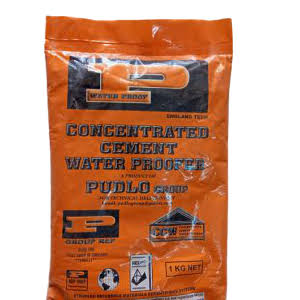
One available option is Fresco Waterproof Cement, listed for applications including roof waterproofing, water tanks, basements, bathrooms, balconies, foundations and other concrete or masonry surfaces.
Before purchasing, confirm that the product is suitable for your specific project and request the manufacturer’s mixing and application instructions. The correct ratio, coverage and curing period should be taken from the product’s current technical information rather than estimated.
You can also browse the KK Empire Tradess online shop for other construction and finishing materials.
For product enquiries, contact KK Empire Tradess Limited through the contact details displayed on its website.
Frequently Asked Questions About Waterproof Cement
What is waterproof cement used for?
Waterproof cement products are used to help reduce water penetration through concrete and masonry surfaces. Depending on the formulation, they can be suitable for roofs, water tanks, bathrooms, basements, balconies, foundations and retaining walls.
Can waterproof cement stop roof leaks?
A suitable waterproofing product can help prevent water penetration through a prepared concrete roof. However, existing cracks, damaged joints, poor drainage and structural defects must also be addressed.
How do you mix waterproof cement?
The mixing method depends on the product. Some formulations require clean water, while others need a separate liquid additive or a specific cement-to-additive ratio. Always follow the manufacturer’s instructions.
What is the correct waterproof cement mixing ratio?
There is no single mixing ratio for every waterproof cement product. The correct proportions depend on the brand, formulation and intended application. Check the packaging or technical data sheet before mixing.
Can waterproof cement be used in water tanks?
Some cementitious waterproofing products are suitable for water tanks and reservoirs. For drinking-water tanks, confirm that the product is approved for contact with potable water and follow the specified curing procedure.
Can waterproof cement be used in bathrooms?
Yes, suitable cementitious waterproofing systems can be used in bathrooms, especially around shower floors, wall-floor junctions and other wet areas. Ensure the system is compatible with the tile adhesive and final floor or wall finish.
Is waterproof cement the same as ordinary cement?
No. Ordinary cement is a general-purpose binder, while waterproof cement products are formulated or modified for improved resistance to water penetration. Their composition and application instructions may differ.
How many coats of waterproof cement should be applied?
The required number of coats depends on the product and the application. Some systems require two or more layers, while others have different application specifications. Follow the manufacturer’s technical instructions.
Can waterproof cement be applied to a damp surface?
Some cementitious waterproofing products require a pre-dampened surface, while others specify different moisture conditions. Check the product instructions and avoid applying material over standing water unless expressly permitted.
Does waterproof cement prevent all cracks?
No. Waterproof cement is not automatically a structural crack-repair product. Active cracks, movement joints and structural defects need suitable assessment and repair before waterproofing.
Conclusion: Choose the Right Waterproofing Material and Apply It Correctly
Waterproof cement can help protect concrete and masonry from water penetration when the product is suitable for the application and installed correctly.
For roofs, bathrooms, water tanks, basements, balconies and foundations, success depends on more than choosing a waterproofing material. Proper surface preparation, accurate mixing, correct application thickness and sufficient curing are equally important.
Before starting your project, identify the source of water exposure and check the manufacturer’s technical instructions. If you need waterproof cement for a building or renovation project, explore Fresco Waterproof Cement from KK Empire Tradess Limited and confirm its suitability for your intended application.