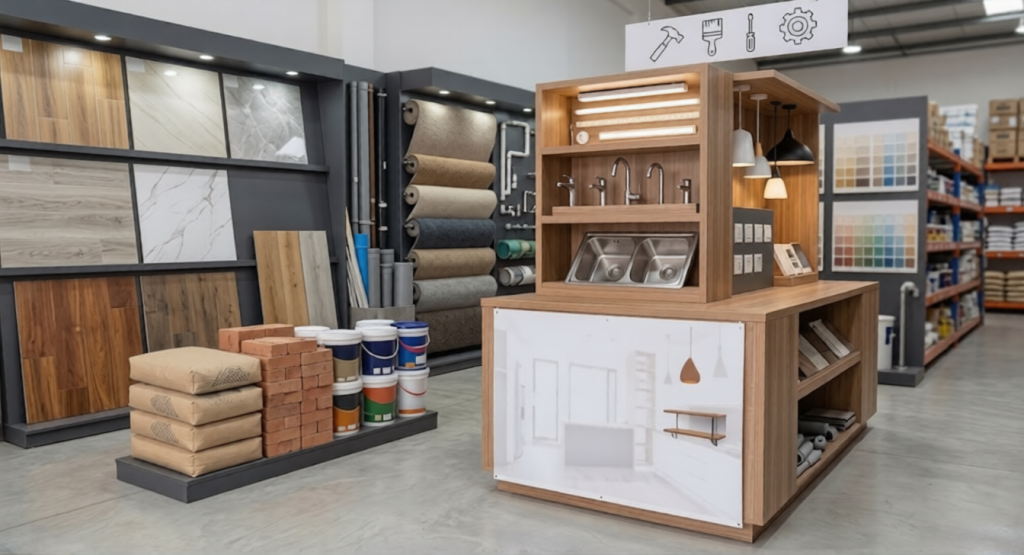
Wholesale Ceramic Floor and wall tiles remain among the most widely used finishing materials in Kenya’s residential, commercial, and institutional construction sectors. Whether you are developing apartments in Nairobi, building a hotel in Mombasa, renovating offices in Kisumu, or completing a residential home in Kiambu, selecting the right wholesale tile supplier can significantly affect project costs, installation quality, and long-term durability.
For contractors, developers, architects, interior designers, and homeowners, wholesale purchasing offers substantial advantages including better pricing, consistent product availability, uniform color batches, and simplified project logistics.
This guide explains how to choose wholesale ceramic floor and wall tiles, evaluate quality standards, understand technical specifications, compare tile types, and identify the best applications for Kenyan construction projects.
Why Buy Ceramic Floor and Wall Tiles Wholesale?
Buying Wholesale Ceramic Floor and wall tiles wholesale reduces per-square-meter costs, improves project consistency, and ensures sufficient stock availability for large residential and commercial developments. Wholesale purchasing is particularly beneficial for apartment projects, hotels, schools, office buildings, and large-scale renovations where material consistency is essential.
Wholesale procurement provides several advantages:
- Better pricing compared to retail purchases
- Consistent shade and batch matching
- Reduced transportation costs
- Simplified project planning
- Faster material sourcing
- Availability of matching wall and floor tile collections
Common wholesale buyers include:
- Property developers
- Building contractors
- Interior designers
- Architects
- Hardware retailers
- Hospitality project managers
For project planning and product availability, visit:
What Are Ceramic Tiles?
Ceramic tiles are manufactured from refined clay and minerals that are shaped, dried, glazed, and fired at high temperatures to create durable wall and floor finishes. They are widely used in Kenya because they offer moisture resistance, easy maintenance, design versatility, and cost-effective installation.
Ceramic tiles are available in:
- Floor tiles
- Wall tiles
- Decorative borders
- Feature tiles
- Bathroom tiles
- Kitchen backsplash tiles
- Outdoor wall cladding tiles
Key Characteristics
| Property | Description |
|---|---|
| Material | Refined Clay |
| Surface Finish | Matte, Gloss, Structured |
| Water Resistance | High |
| Maintenance | Low |
| Installation | Adhesive and grout system |
| Applications | Residential and Commercial |
Floor Tiles vs Wall Tiles: What Is the Difference?
Floor tiles are designed to withstand foot traffic and impact, while wall tiles are lighter and optimized for vertical installations. Using the correct tile type improves durability, safety, and installation performance.
Floor Tiles
Designed for:
- Living rooms
- Hallways
- Kitchens
- Offices
- Hotels
- Commercial spaces
Characteristics:
- Higher density
- Greater wear resistance
- Increased load-bearing capacity
- Better slip resistance options
Wall Tiles
Designed for:
- Bathrooms
- Kitchens
- Accent walls
- Commercial washrooms
Characteristics:
- Lighter weight
- Easier cutting and installation
- Decorative finishes
- Lower structural loading
How to Evaluate Tile Quality Before Buying Wholesale
Tile quality should be evaluated based on water absorption rate, surface hardness, dimensional accuracy, manufacturing consistency, and intended application. High-quality ceramic tiles maintain their appearance longer and reduce maintenance costs over the lifespan of a building.
Important Quality Indicators
Water Absorption Rate
This measures how much moisture a tile can absorb.
Lower absorption rates generally provide:
- Better moisture resistance
- Reduced staining
- Improved durability
Surface Hardness
Harder tiles resist:
- Scratches
- Abrasion
- Wear from foot traffic
Dimensional Accuracy
Consistent tile dimensions improve:
- Alignment
- Grout uniformity
- Installation speed
Manufacturing Standards
Quality manufacturing produces:
- Uniform color
- Consistent thickness
- Stronger tile bodies
Understanding PEI Ratings for Ceramic Tiles
PEI ratings measure a tile’s resistance to surface wear and abrasion. Higher PEI ratings are recommended for commercial and high-traffic areas in Kenya.
PEI Rating Guide
| PEI Rating | Recommended Use |
|---|---|
| PEI 1 | Decorative walls |
| PEI 2 | Residential walls |
| PEI 3 | Bedrooms and light-use floors |
| PEI 4 | Living rooms and offices |
| PEI 5 | Commercial spaces and hotels |
For apartment developments and commercial buildings, PEI 4 and PEI 5 products typically provide better long-term performance.
Best Wholesale Ceramic Floor Tile Sizes for Kenyan Construction Projects
Tile size influences aesthetics, installation speed, grout visibility, and maintenance requirements. Large-format tiles have become increasingly popular in Nairobi’s residential and commercial developments due to their modern appearance and reduced grout lines.
Popular Sizes
| Tile Size | Common Application |
|---|---|
| 300x300mm | Bathrooms |
| 300x600mm | Wall installations |
| 400x400mm | Residential floors |
| 600x600mm | Living rooms and offices |
| 600x1200mm | Premium interiors |
| 800x800mm | Commercial projects |
Benefits of Larger Tiles
- Fewer grout joints
- Contemporary appearance
- Easier cleaning
- Better visual continuity
Ceramic Tiles for Bathrooms in Kenya
Wholesale Ceramic Floor tiles are ideal for bathrooms because they resist moisture, simplify cleaning, and support hygienic environments. Properly installed ceramic bathroom tiles can provide decades of reliable performance.
Recommended features:
- Slip-resistant surfaces
- Low water absorption
- Mold-resistant grout
- Easy-to-clean finishes
Suitable applications:
- Guest bathrooms
- Master bathrooms
- Hotel washrooms
- Apartment bathrooms
Ceramic Tiles for Kitchens
Kitchen tiles must withstand spills, cleaning chemicals, moisture, and daily foot traffic. Ceramic wall and floor tiles offer a practical combination of hygiene, durability, and design flexibility.
Recommended uses:
Kitchen Floors
- Matte finishes
- Slip-resistant surfaces
- Easy maintenance
Kitchen Backsplashes
- Gloss finishes
- Decorative patterns
- Simple cleaning after cooking
Climate Considerations When Choosing Tiles in Kenya
Different regions in Kenya present unique environmental conditions that influence tile performance. Selecting tiles appropriate for local climate conditions improves lifespan and reduces maintenance issues.
Coastal Areas (Mombasa, Malindi)
High humidity levels require:
- Moisture-resistant tiles
- Mold-resistant grout
- Corrosion-resistant accessories
Recommended applications:
- Hotel bathrooms
- Beach apartments
- Holiday homes
Nairobi and Central Kenya
Temperature fluctuations make it important to choose:
- Durable ceramic finishes
- UV-resistant outdoor products
- Slip-resistant exterior tiles
Rift Valley and Windy Regions
Projects should consider:
- Expansion and contraction
- Outdoor durability
- High-traffic performance
Tile Rectification Explained
Rectified tiles are mechanically cut after manufacturing to achieve highly accurate dimensions and straight edges. These tiles allow narrower grout joints and create a cleaner, more modern appearance.
Benefits include:
- Uniform installation
- Improved aesthetics
- Reduced grout visibility
- Contemporary finishes
Rectified products are particularly popular in:
- Luxury apartments
- Hotels
- Commercial offices
- High-end residences
Specifications Table: Recommended Wholesale Ceramic Floor Tile
| Parameter | Specification |
|---|---|
| Material | Ceramic |
| Size | 600x600mm |
| Finish | Matte |
| Water Absorption | Low |
| Slip Resistance | R10 |
| Thickness | 9mm |
| Application | Indoor Flooring |
| Maintenance | Low |
| Installation Method | Adhesive & Grout |
Installation Best Practices for Contractors
Correct installation practices maximize tile lifespan, prevent failures, and improve finish quality. Professional installation is essential for large commercial and residential projects.
Recommended Installation Steps
- Prepare and level substrate.
- Apply approved tile adhesive.
- Maintain consistent grout spacing.
- Install tiles according to layout plan.
- Allow adhesive curing.
- Apply grout.
- Clean and seal where necessary.
Common Installation Errors
- Uneven substrate preparation
- Incorrect adhesive selection
- Insufficient expansion joints
- Poor grout application
Adhesives and Grouts: Why They Matter
Tile performance depends not only on the tile itself but also on the quality of adhesives and grouts used during installation. Proper adhesive selection improves bonding strength and long-term durability.
Benefits include:
- Strong adhesion
- Reduced tile movement
- Improved water resistance
- Better crack prevention
Common project applications:
- Bathrooms
- Kitchens
- Commercial flooring
- Exterior installations
Regulatory Standards and Compliance in Kenya
Tiles used in construction projects should meet relevant quality requirements and industry standards to ensure safety and durability. Compliance supports long-term performance and reduces construction risks.
Important considerations include:
- KEBS quality requirements
- Kenya Building Code 2024 recommendations
- Slip-resistance considerations
- Water-resistant installation systems
Benefits of compliant materials:
- Improved safety
- Better durability
- Lower maintenance costs
- Greater project reliability
Logistics and Bulk Delivery Across Kenya
Reliable delivery is critical for construction projects where delays can affect project schedules and contractor productivity. Bulk tile procurement works best when supported by efficient logistics and consistent stock availability.
Project delivery considerations include:
- Same-day delivery within Nairobi where available
- Fast dispatch to Kiambu
- Deliveries to Thika
- Kitengela project supply
- Machakos construction sites
- Nakuru developments
- Kisumu projects
- Eldoret developments
- Mombasa commercial projects
For project consultations and delivery planning:
Why Contractors Prefer Wholesale Tile Procurement
Wholesale purchasing simplifies project management by ensuring material consistency, predictable pricing, and dependable supply chains. Contractors benefit from reduced procurement delays and better cost control throughout project execution.
Key advantages include:
- Consistent color batches
- Better budgeting
- Reduced site delays
- Simplified procurement
- Improved installation planning
Frequently Asked Questions
What is the difference between Wholesale Ceramic Floor and porcelain tiles?
Ceramic tiles are generally more affordable and suitable for many residential applications, while porcelain tiles are denser and typically have lower water absorption rates.
Are ceramic tiles suitable for bathrooms?
Yes. Ceramic tiles are widely used in bathrooms because they resist moisture and are easy to clean.
What Wholesale Ceramic Floor size is best for modern homes in Kenya?
600x600mm and 600x1200mm formats are among the most popular choices for contemporary residential projects.
How do I calculate the number of Wholesale Ceramic Floor required?
Measure the floor or wall area in square meters and add approximately 10% extra material to account for cuts and wastage.
Are Wholesale Ceramic Floor purchases cheaper?
Yes. Wholesale purchases generally reduce the cost per square meter and improve consistency across large projects.
Which Wholesale Ceramic Floor finish is easiest to maintain?
Matte and lightly textured finishes are practical for floors, while gloss finishes are often preferred for walls.
What grout color should I choose?
Neutral grout colors typically provide a timeless appearance and simplify maintenance.
How long do Wholesale Ceramic Floor last?
Properly installed ceramic tiles can provide decades of service in residential and commercial environments.
Wholesale ceramic floor and wall tiles provide an efficient, cost-effective solution for residential developments, apartment projects, commercial buildings, hotels, offices, and renovations throughout Kenya. By focusing on tile quality, technical specifications, installation standards, climate suitability, and supplier reliability, developers and homeowners can achieve durable, attractive, and low-maintenance finishes.
Whether you are sourcing materials for a single renovation or a large-scale development, selecting the right wholesale supplier helps ensure consistent quality, reliable delivery, and long-term value.
info@kketrades.com
Call/WhatsApp: +254 718 990 010
Website: https://kkempiretradesslimited.com/
Delivery Availability:
Fast delivery within Nairobi and across Kenya including Kiambu, Nakuru, Kisumu, Eldoret, Mombasa, Thika, Kitengela, Machakos, and surrounding regions.

SEO Twin
SEO Twin writes for the KK Empire Tradess Knowledge Base — practical guides for Kenyan homes and contractors.